• HOME
  • NEWS
  • EXPLORE
    • CAREER
      • Companies
      • Jobs
    • EVENTS
    • iGEM
      • News
      • Team
    • PHOTOS
    • VIDEO
    • WIKI
  • BLOG
  • COMMUNITY
    • FACEBOOK
    • INSTAGRAM
    • TWITTER
Sunday, May 17, 2026
BIOENGINEER.ORG
No Result
View All Result
  • Login
  • HOME
  • NEWS
  • EXPLORE
    • CAREER
      • Companies
      • Jobs
        • Lecturer
        • PhD Studentship
        • Postdoc
        • Research Assistant
    • EVENTS
    • iGEM
      • News
      • Team
    • PHOTOS
    • VIDEO
    • WIKI
  • BLOG
  • COMMUNITY
    • FACEBOOK
    • INSTAGRAM
    • TWITTER
  • HOME
  • NEWS
  • EXPLORE
    • CAREER
      • Companies
      • Jobs
        • Lecturer
        • PhD Studentship
        • Postdoc
        • Research Assistant
    • EVENTS
    • iGEM
      • News
      • Team
    • PHOTOS
    • VIDEO
    • WIKI
  • BLOG
  • COMMUNITY
    • FACEBOOK
    • INSTAGRAM
    • TWITTER
No Result
View All Result
Bioengineer.org
No Result
View All Result
Home NEWS Science News Biology

Researchers make flexible glass for tiny medical devices

Bioengineer by Bioengineer
February 9, 2018
in Biology
Reading Time: 2 mins read
0
Share on FacebookShare on TwitterShare on LinkedinShare on RedditShare on Telegram
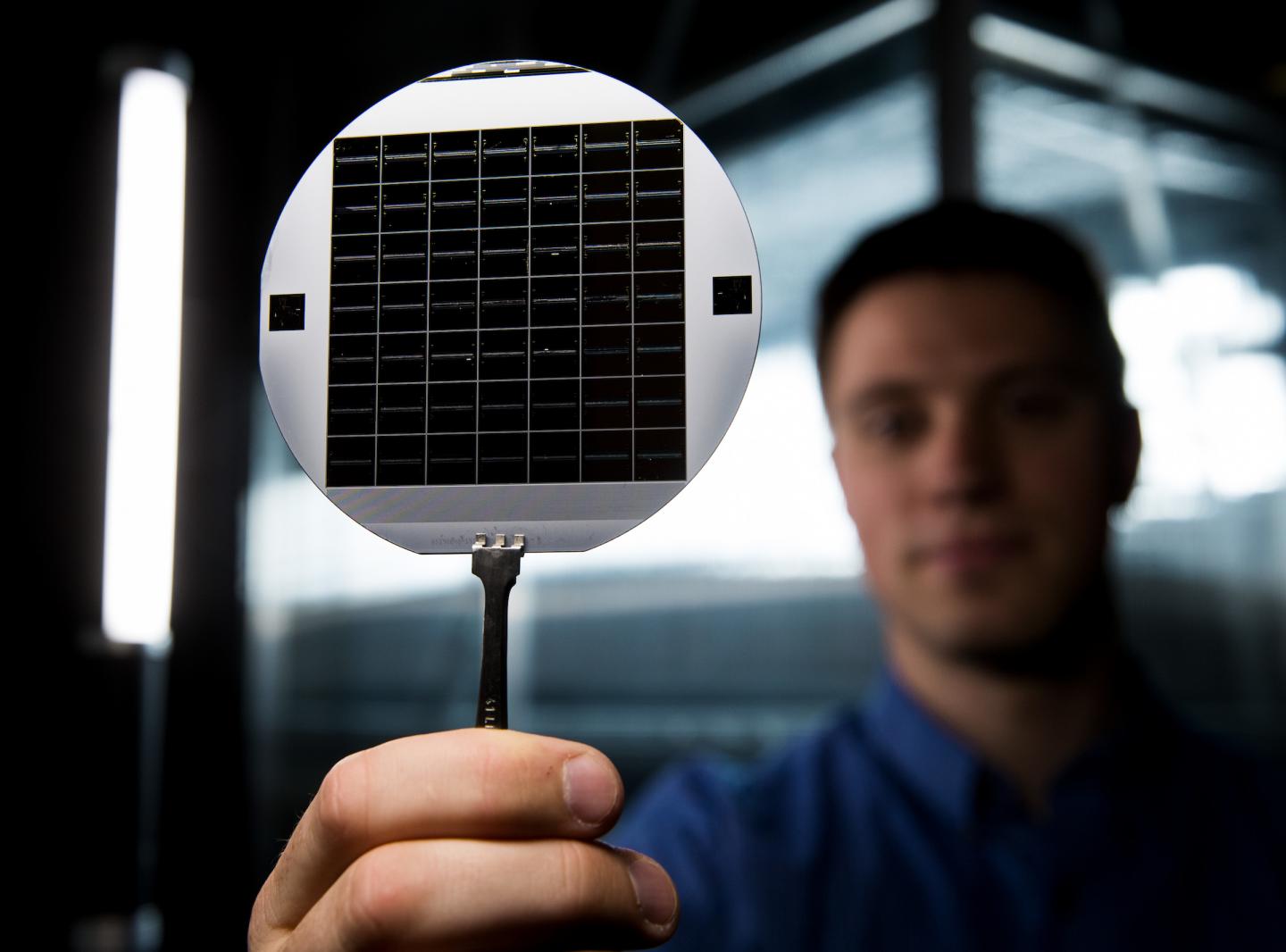
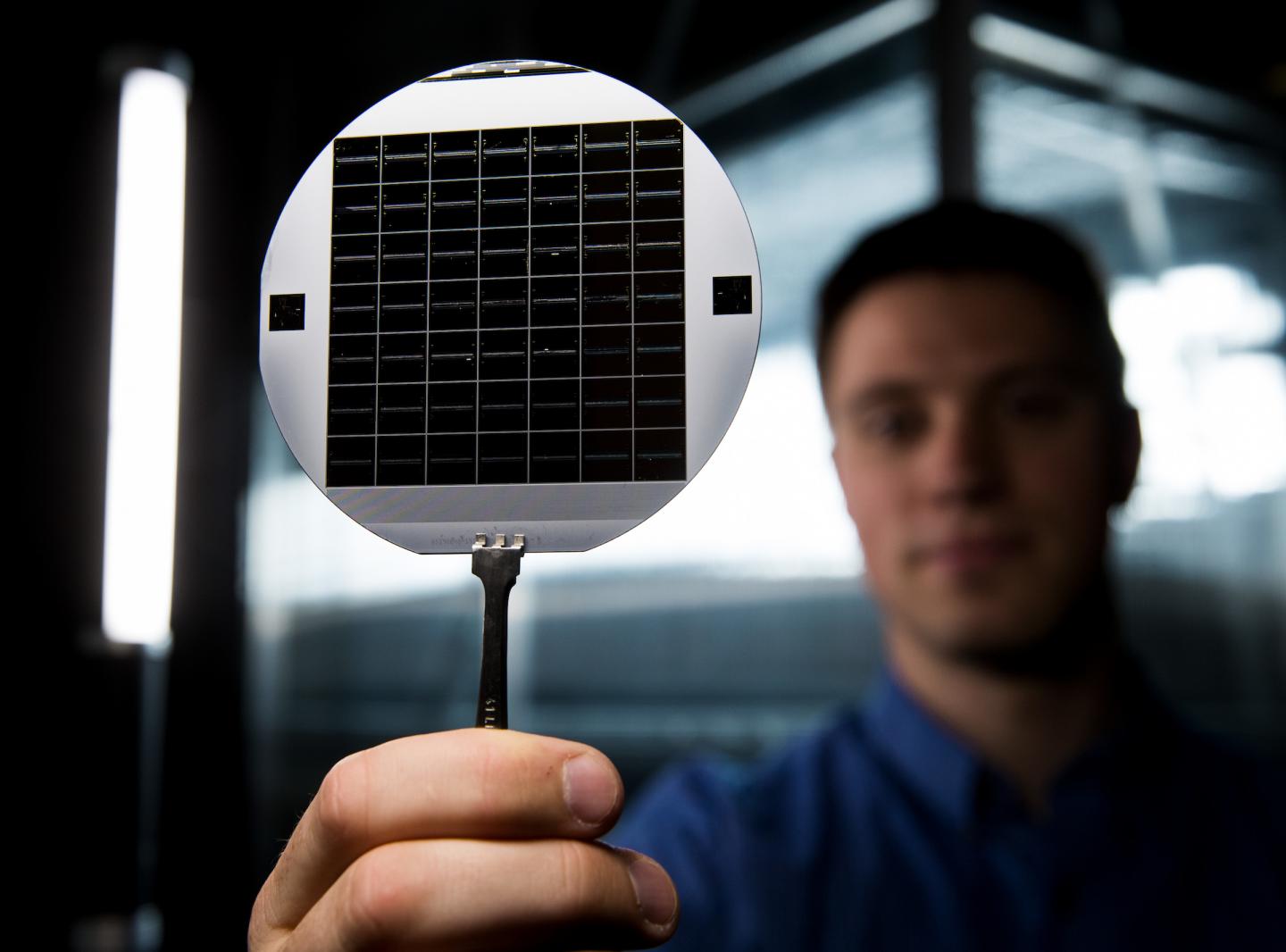
IMAGE

Credit: Jaren Wilkey/BYU Photo

Brigham Young University researchers have developed new glass technology that could add a new level of flexibility to the microscopic world of medical devices.

Led by electrical engineering professor Aaron Hawkins, the researchers have found a way to make the normally brittle material of glass bend and flex. The research opens up the ability to create a new family of lab-on-a-chip devices based on flexing glass.

"If you keep the movements to the nanoscale, glass can still snap back into shape," Hawkins said. "We've created glass membranes that can move up and down and bend. They are the first building blocks of a whole new plumbing system that could move very small volumes of liquid around."

While current lab-on-a-chip membrane devices effectively function on the microscale, Hawkins' research, recently published in Applied Physics Letters, will allow equally effective work at the nanoscale. Chemists and biologists could use the nanoscale devices to move, trap and analyze very small biological particles like proteins, viruses and DNA.

So why work with glass? According to lead study author and BYU Ph.D. student John Stout, glass has some great perks: it's stiff and solid and not a material upon which things react, it's easy to clean, and it isn't toxic.

"Glass is clean for sensitive types of samples, like blood samples," Stout said. "Working with this glass device will allow us to look at particles of any size and at any given range. It will also allow us to analyze the particles in the sample without modifying them."

The researchers believe their device could also mean performing successful tests using much smaller quantities of a substance. Instead of needing several ounces to run a blood test, the glass membrane device created by Hawkins, Stout and coauthor Taylor Welker would only require a drop or two of blood.

Hawkins said the device should also allow for faster analysis of blood samples: "Instead of shipping a vial of blood to a lab and have it run through all those machines and steps, we are creating devices that can give you an answer on the spot."

There is an increased demand for portable on-site rapid testing in the healthcare industry. Much of this is being realized through these microfluidic systems and devices, and the BYU device could take that testing to the next level of detail.

"This has the promise of being a rapid delivery of disease diagnosis, cholesterol level testing and virus testing," Hawkins said. "In addition, it would help in the process of healthcare knowing the correct treatment method for the patient."

###

Media Contact

Todd Hollingshead
[email protected]
801-422-8373
@byu

http://www.byu.edu

Share15Tweet8Share2ShareShareShare2

Related Posts

Uncovering C. elegans Immunity via Genetic Screens — Biology

Uncovering C. elegans Immunity via Genetic Screens

May 16, 2026
Single mother must adapt swiftly — the survival of her colony depends on it — Biology

Single mother must adapt swiftly — the survival of her colony depends on it

May 15, 2026

Why Are Nearly Everyone Right-Handed? It Might Be Linked to How We Learned to Walk

May 15, 2026

Excessive Neuronal Activity Initiates Severe Autoimmune Brain Disorder

May 15, 2026
Please login to join discussion

POPULAR NEWS

  • Research Indicates Potential Connection Between Prenatal Medication Exposure and Elevated Autism Risk

    844 shares
    Share 338 Tweet 211
  • New Study Reveals Plants Can Detect the Sound of Rain

    730 shares
    Share 291 Tweet 182
  • Salmonella Haem Blocks Macrophages, Boosts Infection

    62 shares
    Share 25 Tweet 16
  • Breastmilk Balances E. coli and Beneficial Bacteria in Infant Gut Microbiomes

    58 shares
    Share 23 Tweet 15

About

We bring you the latest biotechnology news from best research centers and universities around the world. Check our website.

Follow us

Recent News

Noncanonical Sulfur Metabolism, Immunity Altered in Down Syndrome

Physical Resilience Linked to Aging Views in Chinese Elders

Tau T205 Phosphorylation Controls Memory and Engrams

Subscribe to Blog via Email

Enter your email address to subscribe to this blog and receive notifications of new posts by email.

Join 82 other subscribers
  • Contact Us

Bioengineer.org © Copyright 2023 All Rights Reserved.

Welcome Back!

Login to your account below

Forgotten Password?

Retrieve your password

Please enter your username or email address to reset your password.

Log In
No Result
View All Result
  • Homepages
    • Home Page 1
    • Home Page 2
  • News
  • National
  • Business
  • Health
  • Lifestyle
  • Science

Bioengineer.org © Copyright 2023 All Rights Reserved.