• HOME
  • NEWS
  • EXPLORE
    • CAREER
      • Companies
      • Jobs
    • EVENTS
    • iGEM
      • News
      • Team
    • PHOTOS
    • VIDEO
    • WIKI
  • BLOG
  • COMMUNITY
    • FACEBOOK
    • INSTAGRAM
    • TWITTER
Tuesday, July 7, 2026
BIOENGINEER.ORG
No Result
View All Result
  • Login
  • HOME
  • NEWS
  • EXPLORE
    • CAREER
      • Companies
      • Jobs
        • Lecturer
        • PhD Studentship
        • Postdoc
        • Research Assistant
    • EVENTS
    • iGEM
      • News
      • Team
    • PHOTOS
    • VIDEO
    • WIKI
  • BLOG
  • COMMUNITY
    • FACEBOOK
    • INSTAGRAM
    • TWITTER
  • HOME
  • NEWS
  • EXPLORE
    • CAREER
      • Companies
      • Jobs
        • Lecturer
        • PhD Studentship
        • Postdoc
        • Research Assistant
    • EVENTS
    • iGEM
      • News
      • Team
    • PHOTOS
    • VIDEO
    • WIKI
  • BLOG
  • COMMUNITY
    • FACEBOOK
    • INSTAGRAM
    • TWITTER
No Result
View All Result
Bioengineer.org
No Result
View All Result
Home NEWS Science News Biology

Researchers develop first diagnostic test for novel coronavirus in China

Bioengineer by Bioengineer
January 16, 2020
in Biology
Reading Time: 2 mins read
0
IMAGE
Share on FacebookShare on TwitterShare on LinkedinShare on RedditShare on Telegram

A joint press release by Charité and the DZIF
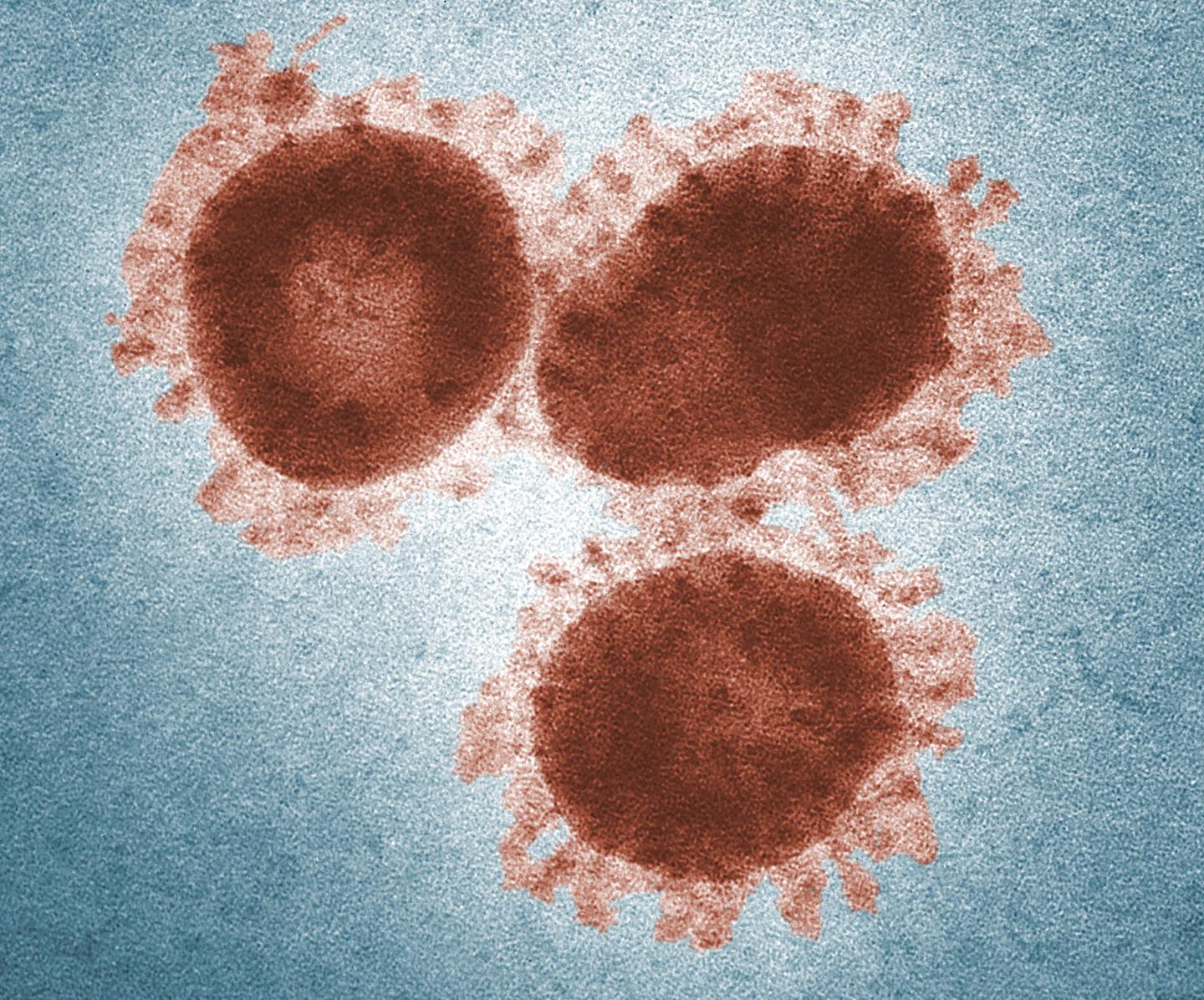
IMAGE

Credit: Photo: Dr. Fred Murphy & Sylvia Whitfield/CDC


Researchers from the German Center for Infection Research (DZIF) at Charité – Universitätsmedizin Berlin have developed a new laboratory assay to detect the novel Chinese coronavirus. The assay protocol has now been published by WHO as a guideline for diagnostic detection. The new assay enables suspected cases to be tested quickly.

The coronavirus, which first emerged in Wuhan, China, and can cause severe pneumonia, can now be detected in the laboratory. Developed by a group of DZIF researchers working under the leadership of Prof. Dr. Christian Drosten, Director of the Institute of Virology on Campus Charité Mitte, the world’s first diagnostic test for the coronavirus has now been made publicly available. Following its online publication by the WHO, the test protocol will now serve as a guideline for laboratories. An international consortium is currently conducting a joint evaluation study.

“Now that this diagnostic test is widely available, I expect that it won’t be long before we are able to reliably diagnose suspected cases. This will also help scientists understand whether the virus is capable of spreading from human to human,” explains Prof. Drosten. He adds: “This is an important step in our fight against this new virus.”

Background
Previous successes recorded by Prof. Drosten and his research groups include the development of novel Zika virus tests and the development of a standard test for the MERS (Middle East Respiratory Syndrome) pathogen, which is now being used worldwide. A BIH Professor and one the co-discoverers of the SARS (Severe Acute Respiratory Syndrome) virus in 2003, Prof. Drosten was also responsible for developing and making available the first diagnostic test for SARS. The next few years will see members of the DZIF’s ‘Virus detection and preparedness’ group at Charité continue their efforts to increase our preparedness for the emergence of new viruses.

###

Media Contact
Christian Drosten
[email protected]
49-304-505-25091

Original Source

https://www.charite.de/en/service/press_reports/artikel/detail/researchers_develop_first_diagnostic_test_for_novel_coronavirus_in_china/

Tags: Infectious/Emerging DiseasesMedicine/HealthPublic HealthVirology
Share13Tweet8Share2ShareShareShare2

Related Posts

Here are a few rewritten headlines for a science magazine post, each with a slightly different tone: Intriguing & poetic: How do organs sculpt themselves? Sea stars hold the secret Direct & research-focused: Sea stars reveal the hidden rules of organ formation Metaphorical & inviting: Tiny architects beneath the waves: What sea stars teach us about building organs Short & punchy: Star-shaped clues to how our organs take shape Question-led: Could a sea star show us how organs form? Elegant & feature-style: The body’s blueprint, glimpsed in a sea star’s arm

July 6, 2026
Bacteria evolve faster with unconventional gene copies — Biology

Bacteria evolve faster with unconventional gene copies

July 6, 2026

Neighbours rewire soil feedback via root microbiome shifts

July 6, 2026

Evolution-Inspired Biosensors Revolutionize Lipid Tracking in Real Time

July 2, 2026
Please login to join discussion

POPULAR NEWS

  • Detection of EDCs in Breast Milk and Infant Urine Up to Six Months Highlights Early Exposure Risks

    77 shares
    Share 31 Tweet 19
  • New Drug Candidate Developed at McMaster Shows Potential for Treating Brain Cancer

    58 shares
    Share 23 Tweet 15
  • Saying Goodbye to PGY-6: Pediatric Fellowship Realities

    103 shares
    Share 41 Tweet 26
  • KTU Researchers Explore Ultrasound’s Role in Enhancing Blood Flow Beyond Diagnostics

    53 shares
    Share 21 Tweet 13

About

We bring you the latest biotechnology news from best research centers and universities around the world. Check our website.

Follow us

Recent News

Flame retardant BDE-209 targets molecularly linked to ulcerative colitis

Ultra-high frequency particle impacts mimic rockbursts to shatter hard rock

Kidney transplant outcomes in older adults studied by German researchers

Subscribe to Blog via Email

Enter your email address to subscribe to this blog and receive notifications of new posts by email.

Join 83 other subscribers
  • Contact Us

Bioengineer.org © Copyright 2023 All Rights Reserved.

Welcome Back!

Login to your account below

Forgotten Password?

Retrieve your password

Please enter your username or email address to reset your password.

Log In
No Result
View All Result
  • Homepages
    • Home Page 1
    • Home Page 2
  • News
  • National
  • Business
  • Health
  • Lifestyle
  • Science

Bioengineer.org © Copyright 2023 All Rights Reserved.