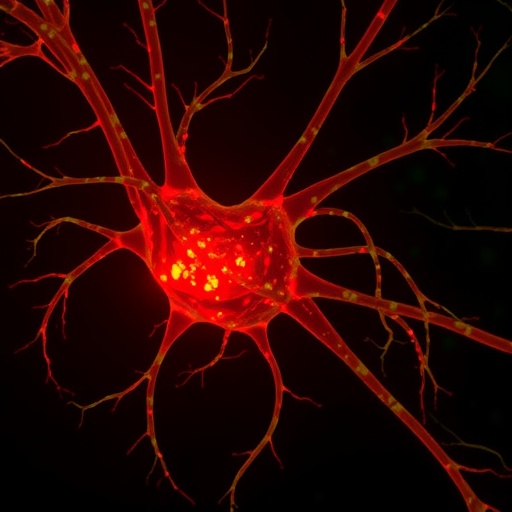
East Hanover, NJ – May 22, 2024 – A team of experts in multiple sclerosis (MS) research recommends a structured approach to the study of mechanisms of exercise training for improving outcomes for multiple sclerosis (MS). In a review article, “Focusing on neural mechanisms of exercise training benefits in multiple sclerosis,” (doi: 10.1016/j.msard.2024.105633) published in Multiple Sclerosis and Related Disorders on April 16, 2024, they emphasize the value of adopting an experimental medicine framework to optimize the development, evaluation, and application of exercise interventions in MS rehabilitation.
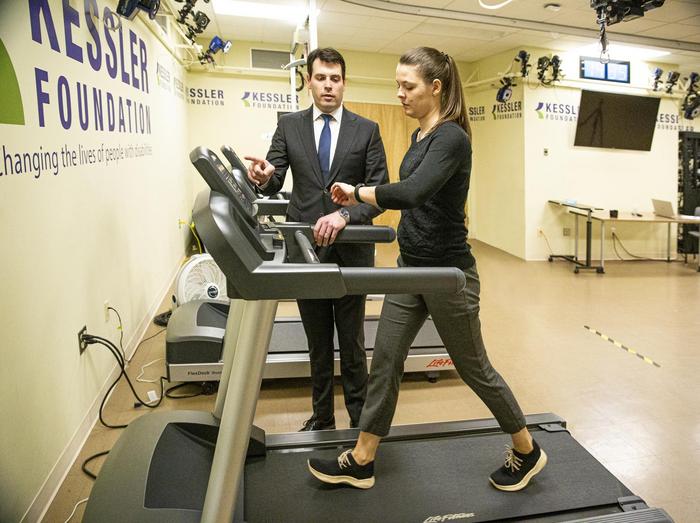
Credit: Kessler Foundation
East Hanover, NJ – May 22, 2024 – A team of experts in multiple sclerosis (MS) research recommends a structured approach to the study of mechanisms of exercise training for improving outcomes for multiple sclerosis (MS). In a review article, “Focusing on neural mechanisms of exercise training benefits in multiple sclerosis,” (doi: 10.1016/j.msard.2024.105633) published in Multiple Sclerosis and Related Disorders on April 16, 2024, they emphasize the value of adopting an experimental medicine framework to optimize the development, evaluation, and application of exercise interventions in MS rehabilitation.
MS is a chronic and often disabling disease of the central nervous system (CNS) that impairs motor and cognitive function, affecting millions of individuals globally. Although pharmacological treatments are effective for preventing MS relapses, they are not designed for improving functions that are negatively impacted by the disease. Exercise training has been identified as an effective intervention with the potential to improve the neurological symptoms of MS. However, its potential has not been fully realized due to inconsistent methodologies in the field of exercise science and a lack of understanding of underlying mechanisms.
“By understanding how exercise affects CNS function in MS, we can design and optimize interventions that improve mobility, cognition, and quality of life,” said lead author Brian M. Sandroff, PhD, assistant director of the Center for Neuropsychology and Neuroscience Research at Kessler Foundation, and director of the Center’s Exercise Neurorehabilitation Research Laboratory.
In the article, Sandroff and colleagues review current literature on exercise training in MS and outline an experimental medicine framework as a pathway to accelerate progress at a field-wide level for better integrating exercise training into MS rehabilitation protocols. This framework comprises four main steps: identifying CNS targets for intervention, selecting outcomes that reflect the CNS targets, developing interventions that modulate those targets, and conducting robust clinical trials to precisely determine the extent to which changes in the CNS targets are the reason for exercise-related improvements in clinical outcomes.
“Adopting this framework and collaborating across disciplines fosters communication between basic research and clinical applications, helping practitioners translate findings into real-world therapeutic interventions,” Dr. Sandroff summarized. “This systematic approach will increase our progress toward evidence-based protocols, ultimately enhancing exercise rehabilitation outcomes for people with MS,” he concluded.
Citation:
Sandroff BM, Motl RW, Salter A. (2024). Exercise training and the central nervous system in multiple sclerosis: Moving the field forward through the application of an experimental medicine framework. Multiple Sclerosis and Related Disorders. Volume 86, 2024, 105633
Learn about the Foundation’s ongoing studies in MS rehabilitation research at https://kesslerfoundation.org/MSresearchstudies, or contact [email protected]
About Kessler Foundation
Kessler Foundation, a major nonprofit organization in the field of disability, is a global leader in rehabilitation research. Our scientists seek to improve cognition, mobility, and long-term outcomes, including employment, for adults and children with neurological and developmental disabilities of the brain and spinal cord including traumatic brain injury, spinal cord injury, stroke, multiple sclerosis, and autism. Kessler Foundation also leads the nation in funding innovative programs that expand opportunities for employment for people with disabilities. For more information, visit KesslerFoundation.org.
Press Contacts at Kessler Foundation:
Deborah Hauss, [email protected];
Carolann Murphy, [email protected].
Stay Connected with Kessler Foundation
X (formerly known as Twitter) | Facebook | YouTube | Instagram | SoundCloud
DOI
10.1016/j.msard.2024.105633
Method of Research
Commentary/editorial
Subject of Research
People
Article Title
Focusing on neural mechanisms of exercise training benefits in multiple sclerosis
Article Publication Date
16-Apr-2024
COI Statement
n/a