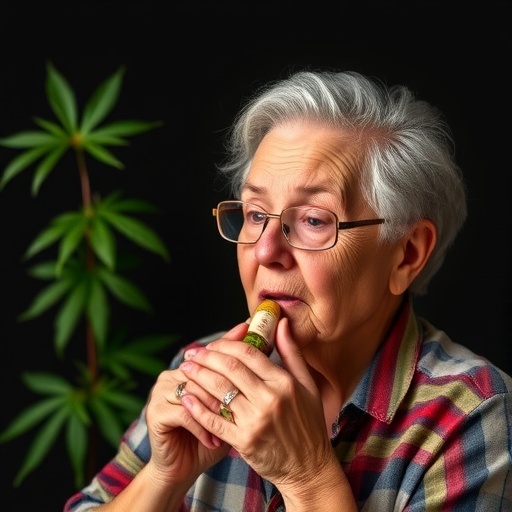
Cannabis use among adults over the age of 60 is experiencing a rapid rise, outpacing growth seen in other demographic groups. This surge in older adult cannabis consumption presents a unique challenge for researchers and clinicians alike, as scientific understanding lags behind the lived experiences and motivations of this expanding user base. What drives these individuals toward cannabis, what types of products they prefer, and how they navigate decisions about their use represent critical unanswered questions. A recent study conducted by teams at University of Utah Health and University of Colorado Boulder sheds light on these issues, revealing nuanced insights into the therapeutic aspirations and decision-making behaviors of older adult cannabis consumers.
At the heart of this investigation was a qualitative survey of 169 adults aged 60 and above who were approaching their very first legal cannabis purchase. This group, diverse in background but united by common health concerns, sought cannabis as an alternative or complement to traditional pharmaceutical treatments. Researchers found that the primary motivation for these older adults was an improved quality of life. Pain management, enhanced sleep quality, and better mental health emerged as the key domains where participants hoped cannabis would offer relief. Notably, these older adults expressed little interest in the psychoactive “high” typically associated with cannabis, instead prioritizing functional wellness improvements.
The research team, led by Assistant Professor Rebecca Delaney at Utah and Professor Angela Bryan at Colorado Boulder, underscored that many participants arrived with expectations shaped largely through social networks. Anecdotal evidence from friends, family members, and community contacts was often the most influential source of information. This reliance on word of mouth bypassed professional medical advice in most cases, highlighting a significant gap in communication between older cannabis users and healthcare providers. Such findings suggest a pressing need for clear, evidence-based educational resources tailored to both patients and clinicians to foster more informed conversations about cannabis use in geriatric care.
From a pharmacological perspective, older adults face the complex decision of selecting between products dominated by tetrahydrocannabinol (THC), cannabidiol (CBD), or a combination of both. THC is the principal psychoactive compound in cannabis, responsible for euphoric and mood-enhancing effects, while CBD is non-intoxicating and believed to confer therapeutic benefits such as anti-inflammatory and anxiolytic properties. The survey indicated a strong perception among participants that CBD-only products were more “medicinal” and preferable for managing specific ailments, particularly because they do not induce intoxication. Conversely, THC-containing products were associated with mood improvement and a sense of relaxation.
Most intriguingly, the study found that many older adults deliberately chose combination products that contain both THC and CBD. This “Goldilocks” approach reflects an intuitive attempt to balance therapeutic efficacy with manageable psychoactive effects. Respondents described these blended formulations as providing the optimal synergy—enough THC to relax and uplift mood without overwhelming psychoactivity, complemented by CBD’s calming and restorative properties. This nuanced understanding signals an emerging sophistication among older consumers about cannabis pharmacodynamics and individual tolerance.
While the study focused on Colorado—where recreational cannabis is legal—researchers believe the core motivations for cannabis use in older adults are likely universal. Chronic pain, insomnia, and mental health issues are pervasive challenges among the elderly regardless of legal context. However, in states where cannabis remains restricted to medical use, older adults may encounter additional obstacles in terms of access, physician guidance, and stigma. Delaney emphasized the importance of further research in diverse regulatory environments to fully capture the spectrum of decision-making influences.
The study’s implications extend beyond characterization of user motivations to suggest actionable pathways for healthcare improvement. Sparking conversations about cannabis use between patients and healthcare providers could aid in personalized, safer treatment planning. Currently, many older adults navigate cannabis products with minimal clinical input, heightening risks of drug interactions, improper dosing, and unforeseen side effects. Developing targeted informational materials grounded in clinical evidence can empower both providers and patients to address these risks proactively.
Moreover, this evolving trend highlights the broader therapeutic potential of cannabis in geriatric medicine, warranting rigorous clinical trials and pharmacovigilance studies. Historical reluctance to include older adults in cannabis research has left a gap in evidence-based guidelines specific to this demographic. Understanding how cannabinoids interact with aging physiology, polypharmacy profiles, and comorbid conditions is essential for optimizing therapeutic regimens and enhancing patient quality of life.
The social dimension of cannabis use among seniors also merits attention. Social sharing of experiences and recommendations can play a constructive role in knowledge dissemination but may also propagate misinformation. Thoughtful integration of community education initiatives with formal healthcare support could balance these dynamics. Digital platforms and patient advocacy groups may prove instrumental in bridging the gap between anecdote and science.
In conclusion, this pioneering survey enriches our understanding of why and how older adults choose cannabis as an alternative treatment modality. Their pursuit of better sleep, pain relief, and mental wellbeing reflects a broader shift towards holistic and personalized approaches in managing chronic health conditions. Recognizing the central role of social influence alongside the pharmacological considerations of THC and CBD can inform the development of educational tools and clinical practices that support this demographic’s unique healthcare needs. As legalization expands and public perceptions evolve, such research will be critical in guiding safe, effective cannabis use among older populations.
Subject of Research: People
Article Title: Edible Cannabis and Pain, Sleep, and Mental Health Management in Older Adults
News Publication Date: 8-May-2026
Keywords: Cannabis, Decision making, Older adults, Medicinal plants, Cannabinoids
Tags: alternative treatments to pharmaceuticalscannabis and pain management in elderlycannabis and sleep improvementcannabis edibles for seniorsfirst-time legal cannabis purchasemental health benefits of cannabismotivations for cannabis consumptionolder adults cannabis usequalitative study on senior cannabis userstherapeutic cannabis use in older adultsUniversity of Colorado Boulder cannabis studyUniversity of Utah cannabis research