• HOME
  • NEWS
  • EXPLORE
    • CAREER
      • Companies
      • Jobs
    • EVENTS
    • iGEM
      • News
      • Team
    • PHOTOS
    • VIDEO
    • WIKI
  • BLOG
  • COMMUNITY
    • FACEBOOK
    • INSTAGRAM
    • TWITTER
Wednesday, October 21, 2026
BIOENGINEER.ORG
No Result
View All Result
  • Login
  • HOME
  • NEWS
  • EXPLORE
    • CAREER
      • Companies
      • Jobs
        • Lecturer
        • PhD Studentship
        • Postdoc
        • Research Assistant
    • EVENTS
    • iGEM
      • News
      • Team
    • PHOTOS
    • VIDEO
    • WIKI
  • BLOG
  • COMMUNITY
    • FACEBOOK
    • INSTAGRAM
    • TWITTER
No Result
View All Result
Bioengineer.org
No Result
View All Result
Home NEWS Science News Health

Research report: Obesity and lymphoma: from pathobiology to clinical outcomes

by
October 21, 2026
in Health
Reading Time: 2 mins read
0
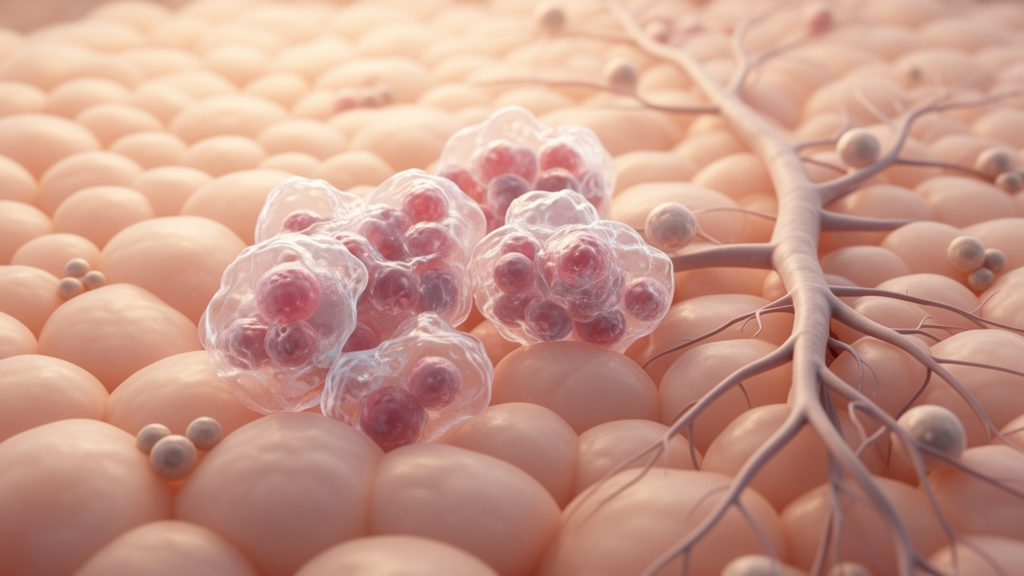
Research report: Obesity and lymphoma: from pathobiology to clinical outcomes

Research report: Obesity and lymphoma: from pathobiology to clinical outcomes

Share on FacebookShare on TwitterShare on LinkedinShare on RedditShare on Telegram

Obesity is associated with an increased incidence of several lymphoid malignancies, particularly diffuse large B-cell lymphoma and follicular lymphoma, according to a review in the Journal of Translational Medicine . The association is uneven: reported relationships differ among lymphoma subtypes and according to sex, age and metabolic phenotype. The review also examines how obesity may affect tumor biology, treatment response and survivorship, finding that its implications for clinical outcomes remain context-dependent rather than uniformly harmful or beneficial.

At a biological level, obesity is described as a systemic immunometabolic disorder that can promote chronic inflammation, adipokine imbalance and metabolic stress. These processes are linked in the reviewed evidence to signaling pathways including IL-6/STAT3, NF-κB, insulin/IGF-1 and PI3K/AKT/mTOR. Obesity-associated changes may also contribute to lipid metabolic rewiring in malignant cells and to remodeling of stromal and myeloid components in the lymphoma microenvironment.

These mechanisms provide a biological framework connecting adipose-tissue dysfunction with features of lymphoma, but the review does not present them as a single, uniform pathway applicable to every patient or lymphoma subtype. Advances in single-cell and spatial transcriptomics, multi-omics profiling and integrative bioinformatics have refined the analysis of these immunometabolic interactions. The review identifies them as tools for improving biomarker discovery and risk stratification.

Its wider argument is that clinically relevant obesity phenotypes may need to be defined using body composition and metabolic profiling in addition to body mass index, which is an imperfect surrogate for biologically relevant adiposity. Clinical findings for patients with diffuse large B-cell lymphoma are mixed. The review cautions that this pattern may reflect reverse causality, collider bias or limitations inherent to BMI-based analyses, so it should not be interpreted as evidence that obesity itself improves response or survival.

Evidence concerning obesity-associated metabolic alterations, CAR-T-cell kinetics and inflammatory toxicity is also emerging and heterogeneous. The review states that these factors may influence CAR-T-cell behavior, while their impact on therapeutic efficacy remains uncertain. Measurement limits complicate interpretation across the lymphoma literature.

BMI does not adequately distinguish visceral fat accumulation from other aspects of excess adiposity, nor does it capture insulin resistance, inflammatory activation, muscle depletion or the condition identified in the review as sarcopenic obesity. The authors therefore call for research that integrates body-composition assessment, metabolic profiling and multi-omics approaches when evaluating lymphoma risk and outcomes. The review’s main conclusion is not that obesity has one fixed effect on lymphoma, but that its associations vary across biological and clinical contexts.

Progress will depend on distinguishing these contexts rather than treating body mass index as a complete explanation of an individual patient’s metabolic state.

Subject of Research: Obesity-associated immunometabolic effects on lymphoma risk, biology and clinical outcomes

Article Title: Obesity and lymphoma: from pathobiology to clinical outcomes

Article References: Amanda, C., Carmela, D., Francesco, G., Francesca, P., & Stefano, M. (2026). Obesity and lymphoma: from pathobiology to clinical outcomes. Journal of Translational Medicine. https://doi.org/10.1186/s12967-026-09092-z

Image Credits: AI Generated

DOI: 10.1186/s12967-026-09092-z

Keywords: obesity, lymphoma, diffuse large B-cell lymphoma, follicular lymphoma, immunometabolism, cancer metabolism, body composition, multi-omics, CAR-T cells, chemoimmunotherapy, pathobiology, clinical

News Source: Nathaniel Bowman. (October 21, 2026). Research report: Obesity and lymphoma: from pathobiology to clinical outcomes. Scienmag.


Tags: body compositioncancer metabolismCAR-T cellschemoimmunotherapyClinicaldiffuse large B-cell lymphomafollicular lymphomaimmunometabolismlymphomamulti-omicsobesitypathobiology
Share12Tweet7Share2ShareShareShare1

Related Posts

Research report: Barriers and facilitators to career progression and leadership among internationally educated nurses and midwives in the UK: a mixed methods systematic review

Research report: Barriers and facilitators to career progression and leadership among internationally educated nurses and midwives in the UK: a mixed methods systematic review

October 21, 2026
Beyond generalist AI: purpose-built foundation models for transplantation

Beyond generalist AI: purpose-built foundation models for transplantation

October 21, 2026

Structured Nursing Education Linked to Better Colorectal Surgery Outcomes

October 21, 2026

Chronic hypocalcemia reversed heart failure before later bradyarrhythmia emerged

October 21, 2026

POPULAR NEWS

  • Research report: Barriers and facilitators to career progression and leadership among internationally educated nurses and midwives in the UK: a mixed methods systematic review

    Research report: Barriers and facilitators to career progression and leadership among internationally educated nurses and midwives in the UK: a mixed methods systematic review

    29 shares
    Share 12 Tweet 7
  • Deep-soil viruses regulate carbon cycling in global soil profiles

    29 shares
    Share 12 Tweet 7
  • Beyond generalist AI: purpose-built foundation models for transplantation

    29 shares
    Share 12 Tweet 7
  • Structured Nursing Education Linked to Better Colorectal Surgery Outcomes

    29 shares
    Share 12 Tweet 7

About

We bring you the latest biotechnology news from best research centers and universities around the world. Check our website.

Follow us

Recent News

Research report: Barriers and facilitators to career progression and leadership among internationally educated nurses and midwives in the UK: a mixed methods systematic review

Deep-soil viruses regulate carbon cycling in global soil profiles

Beyond generalist AI: purpose-built foundation models for transplantation

Subscribe to Blog via Email

Enter your email address to subscribe to this blog and receive notifications of new posts by email.

Join 85 other subscribers
  • Contact Us

Bioengineer.org © Copyright 2023 All Rights Reserved.

Welcome Back!

Login to your account below

Forgotten Password?

Retrieve your password

Please enter your username or email address to reset your password.

Log In
No Result
View All Result
  • Homepages
    • Home Page 1
    • Home Page 2
  • News
  • National
  • Business
  • Health
  • Lifestyle
  • Science

Bioengineer.org © Copyright 2023 All Rights Reserved.