• HOME
  • NEWS
  • EXPLORE
    • CAREER
      • Companies
      • Jobs
    • EVENTS
    • iGEM
      • News
      • Team
    • PHOTOS
    • VIDEO
    • WIKI
  • BLOG
  • COMMUNITY
    • FACEBOOK
    • INSTAGRAM
    • TWITTER
Wednesday, May 13, 2026
BIOENGINEER.ORG
No Result
View All Result
  • Login
  • HOME
  • NEWS
  • EXPLORE
    • CAREER
      • Companies
      • Jobs
        • Lecturer
        • PhD Studentship
        • Postdoc
        • Research Assistant
    • EVENTS
    • iGEM
      • News
      • Team
    • PHOTOS
    • VIDEO
    • WIKI
  • BLOG
  • COMMUNITY
    • FACEBOOK
    • INSTAGRAM
    • TWITTER
  • HOME
  • NEWS
  • EXPLORE
    • CAREER
      • Companies
      • Jobs
        • Lecturer
        • PhD Studentship
        • Postdoc
        • Research Assistant
    • EVENTS
    • iGEM
      • News
      • Team
    • PHOTOS
    • VIDEO
    • WIKI
  • BLOG
  • COMMUNITY
    • FACEBOOK
    • INSTAGRAM
    • TWITTER
No Result
View All Result
Bioengineer.org
No Result
View All Result
Home NEWS Science News Health

Repair of aged tissue can be enhanced by inhibiting signals from neighbouring cells

Bioengineer by Bioengineer
July 10, 2019
in Health
Reading Time: 2 mins read
0
IMAGE
Share on FacebookShare on TwitterShare on LinkedinShare on RedditShare on Telegram

IMAGE

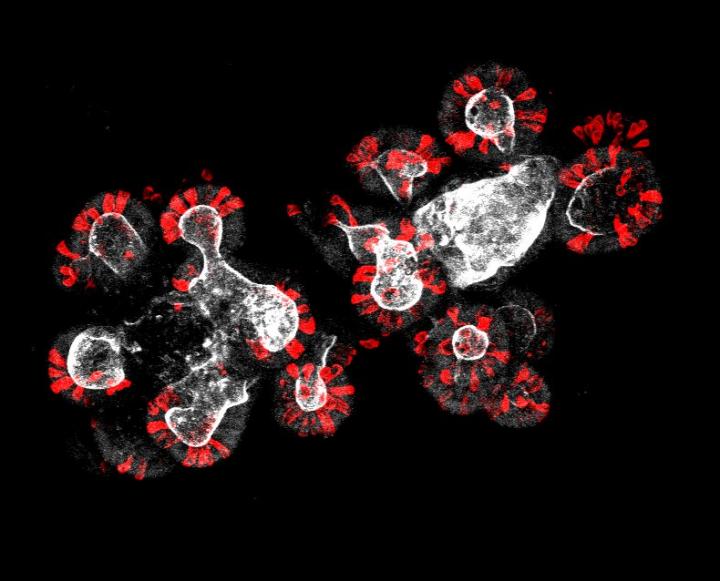
Credit: Nalle Pentinmikko

Researchers at the University of Helsinki have discovered how regenerative capacity of intestinal epithelium declines when we age. Targeting of an enzyme that inhibits stem cell maintaining signaling rejuvenates the regenerative potential of an aged intestine. This finding may open ways to alleviate age-related gastrointestinal problems, reduce side-effects of cancer treatments, and reduce healthcare costs in the ageing society by promoting recovery.

“This study highlights the importance of cellular interactions. Alterations inside one cell resulted in secretion of an aging factor that can be targeted with drugs, providing multiple attractive points for interventions”, says the principal investigator Pekka Katajisto, Associate Professor at the University of Helsinki and Karolinska Institutet.

The age-induced reduction in tissue renewal makes dosing of many common drugs challenging. Targeting of inhibitor called Notum may provide a new way to increase the therapeutic window and to promote recovery in societies with the aging population. Researchers believe that in addition to direct targeting of Notum, lifestyle factors such as diet may also provide means to reduce Notum, and thus improve tissue renewal and repair.

Using organoid culture methods, researchers understood that poor function of tissue repairing stem cells in old intestine was due to aberrant signals from the neighboring cells, known as Paneth cells.

“Modern techniques allowed us to examine tissue maintenance at a single cell level, and revealed which cell types contribute to the decline in tissue function. We were surprised to find that even young stem cells lost their capacity to renew tissue when placed next to old neighbors”, says the lead author, PhD candidate Nalle Pentinmikko from the University of Helsinki.

Normally intestinal epithelium is renewed by stem cells that rely on activity of Wnt-signaling pathway. Surrounding cells produce molecules that activate this pathway. The study shows that during ageing, Paneth cells begin to express a secreted Wnt-inhibitor called Notum. Notum enzymatically inactivates Wnt-ligands in the stem cell niche, decreasing regenerative potential of intestinal stem cells. However, pharmacologic inhibition of Notum rejuvenated stem cell activity and promoted the recovery of old animals after treatment with a commonly used chemotherapeutic drug with severe side-effects in the gut.

###

Media Contact
Pekka Katajisto
[email protected]

Original Source

https://www.helsinki.fi/en/news/life-science-news/repair-of-aged-tissue-can-be-enhanced-by-inhibiting-signals-from-neighbouring-cells

Related Journal Article

http://dx.doi.org/10.1038/s41586-019-1383-0

Tags: AgingBiologycancerCell BiologyInternal Medicine
Share12Tweet8Share2ShareShareShare2

Related Posts

Wireless Wearable Sweat Sensor Enables Continuous Biomarker Monitoring

May 13, 2026

State Media Shapes Large Language Models

May 13, 2026

Personalized AI-Guided Radiation Boosts Glioblastoma Treatment

May 13, 2026

New Study Confirms Reliability of Depression Screening in Chronic Pain Patients

May 13, 2026
Please login to join discussion

POPULAR NEWS

  • Research Indicates Potential Connection Between Prenatal Medication Exposure and Elevated Autism Risk

    842 shares
    Share 337 Tweet 211
  • New Study Reveals Plants Can Detect the Sound of Rain

    729 shares
    Share 291 Tweet 182
  • Salmonella Haem Blocks Macrophages, Boosts Infection

    62 shares
    Share 25 Tweet 16
  • Breastmilk Balances E. coli and Beneficial Bacteria in Infant Gut Microbiomes

    57 shares
    Share 23 Tweet 14

About

BIOENGINEER.ORG

We bring you the latest biotechnology news from best research centers and universities around the world. Check our website.

Follow us

Recent News

Wireless Wearable Sweat Sensor Enables Continuous Biomarker Monitoring

Unlocking Pancreatic Development and Cellular Plasticity

Unraveling Raf-MEK-ERK Pathway in Prostate Cancer

Subscribe to Blog via Email

Enter your email address to subscribe to this blog and receive notifications of new posts by email.

Join 82 other subscribers
  • Contact Us

Bioengineer.org © Copyright 2023 All Rights Reserved.

Welcome Back!

Login to your account below

Forgotten Password?

Retrieve your password

Please enter your username or email address to reset your password.

Log In
No Result
View All Result
  • Homepages
    • Home Page 1
    • Home Page 2
  • News
  • National
  • Business
  • Health
  • Lifestyle
  • Science

Bioengineer.org © Copyright 2023 All Rights Reserved.