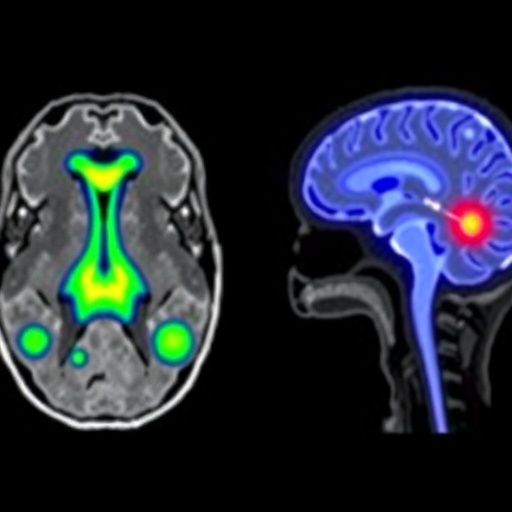
In an era where precision medicine is rapidly transforming cancer treatment paradigms, a groundbreaking study emerges, offering new hope for patients diagnosed with glioblastoma, one of the most aggressive and lethal brain tumors. Researchers led by Akbari, Mohan, and Liu have unveiled a pioneering approach that harnesses the synergy of personalized machine learning algorithms and radiation dose escalation to potentially revolutionize therapeutic outcomes in newly diagnosed glioblastoma cases. This novel strategy is detailed in a recent prospective pilot study published in Nature Communications, marking a significant leap towards individualized oncologic care.
Glioblastoma remains a formidable challenge in neuro-oncology due to its highly invasive nature, genetic heterogeneity, and limited response to conventional therapies. Standard treatment protocols typically involve maximal safe surgical resection followed by a fixed radiation dose combined with chemotherapy. Despite these interventions, median survival hovers around 15 months, underscoring an urgent need for innovative approaches that optimize therapeutic efficacy while sparing healthy brain tissue.
The core innovation in this study lies in the integration of sophisticated machine learning models that analyze vast multidimensional datasets encompassing imaging biomarkers, histopathologic features, molecular profiles, and patient clinical variables. By computationally modeling tumor behavior and radiobiological response, the algorithm predicts the spatial distribution of radioresistant tumor subregions, enabling the formulation of individualized radiation dose maps. This targeted dose escalation sharply contrasts with conventional uniform dosing, aiming to intensify radiation precisely where it is most needed.
Central to the research design is a prospective pilot study enrolling newly diagnosed glioblastoma patients, who undergo comprehensive preoperative magnetic resonance imaging (MRI), including advanced modalities such as diffusion tensor imaging and perfusion-weighted sequences. High-fidelity imaging data serves as the substrate for the machine learning algorithm, which segments tumor volumes and identifies potential hypoxic zones correlated with radiation resistance. Concurrently, genomic and transcriptomic analyses provide further granularity on tumor biology, enriching the predictive power of the model.
The resultant personalized radiation plans, generated through iterative machine learning refinement, are subjected to rigorous dosimetric validation to ensure adherence to safety thresholds for adjacent normal brain structures. Treatment delivery employs state-of-the-art intensity-modulated radiation therapy (IMRT) and volumetric modulated arc therapy (VMAT), technologies that facilitate the intricate sculpting of radiation dose distributions. Patients are closely monitored with serial imaging and clinical evaluations to assess treatment response and potential toxicities.
Initial findings from this pilot cohort are promising. The personalized dose escalation protocol was feasible and safe, with no significant increase in acute radiation-associated neurotoxicity. Early radiological assessments suggest improved tumor control within the escalated dose regions, heralding the potential to delay disease progression. Moreover, the study demonstrates the machine learning framework’s adaptability, as iterative feedback from clinical outcomes can dynamically refine and enhance algorithm accuracy over time.
This research embodies a paradigm shift by moving away from “one-size-fits-all” radiation dosing towards a more nuanced, patient-specific strategy that leverages the predictive prowess of artificial intelligence. The capacity to delineate heterogeneous tumor ecosystems noninvasively and aggressively target their most refractory compartments could substantially augment overall survival and quality of life for glioblastoma patients. Importantly, this method reduces unnecessary radiation exposure to uninvolved brain tissue, mitigating late neurocognitive complications.
The integration of multi-omic data streams and advanced computational analytics encapsulates the future of neuro-oncology therapeutics. As machine learning algorithms grow more sophisticated, incorporating real-world clinical and imaging data through federated learning networks may enhance generalizability and robustness across diverse patient populations and institutions. This technological synergy heralds the dawn of truly personalized, adaptive cancer treatments.
While this pilot study’s scope is limited in sample size and follow-up duration, it lays a critical foundation for larger, randomized controlled trials to rigorously evaluate long-term efficacy, safety, and survival benefits. Furthermore, the versatility of this approach suggests potential applicability beyond glioblastoma to other malignancies where tumor heterogeneity and radioresistance contribute to treatment failure.
Ethical considerations are integral to implementing AI-driven therapeutic protocols, including transparency in algorithm decision-making, clinician oversight, and patient informed consent. The research team advocates for interdisciplinary collaborations among oncologists, data scientists, radiologists, and ethicists to foster responsible innovation. By demystifying the “black box” nature of machine learning, these endeavors aim to cultivate trust and facilitate clinical translation.
This study’s technological triumph also underscores the importance of high-quality data acquisition, meticulous image preprocessing, and standardization to optimize machine learning performance. Collaborative consortia dedicated to creating large annotated imaging and molecular databases will be invaluable in accelerating progress. Additionally, advancements in computational power and cloud infrastructure are pivotal enablers of real-time, clinically actionable machine learning outputs.
Looking ahead, integrating this personalized radiation framework with emerging therapeutic modalities, such as immunotherapy and targeted molecular agents, may yield synergistic benefits. Machine learning models could be expanded to simulate combined treatment effects and guide multimodal treatment sequencing. This holistic approach holds the promise of transforming glioblastoma from a universally fatal diagnosis to a manageable chronic disease.
In summary, the study by Akbari and colleagues exemplifies the transformative potential of merging machine learning with precision radiotherapy in the fight against glioblastoma. This meticulously designed prospective pilot trial offers compelling evidence that personalized dose escalation, guided by advanced analytics, is a safe and feasible strategy poised to enhance tumor control and patient outcomes. As the oncology community embraces this innovative frontier, the convergence of data science and medicine promises to unlock unprecedented therapeutic possibilities for one of the most challenging cancers known to science.
Subject of Research: Personalized radiation therapy for glioblastoma guided by machine learning algorithms.
Article Title: Personalized machine learning-guided radiation dose escalation in newly diagnosed glioblastoma: prospective pilot study.
Article References:
Akbari, H., Mohan, S., Liu, F. et al. Personalized machine learning-guided radiation dose escalation in newly diagnosed glioblastoma: prospective pilot study. Nat Commun (2026). https://doi.org/10.1038/s41467-026-72545-y
Image Credits: AI Generated
Tags: AI-guided radiation therapycomputational tumor modelingglioblastoma survival improvementhistopathologic analysis in cancer treatmentimaging biomarkers in glioblastomaindividualized oncologic care strategiesmachine learning in cancer caremolecular profiling for radiotherapypersonalized glioblastoma treatmentprecision medicine in neuro-oncologyprospective pilot study in glioblastomaradiation dose escalation for brain tumors