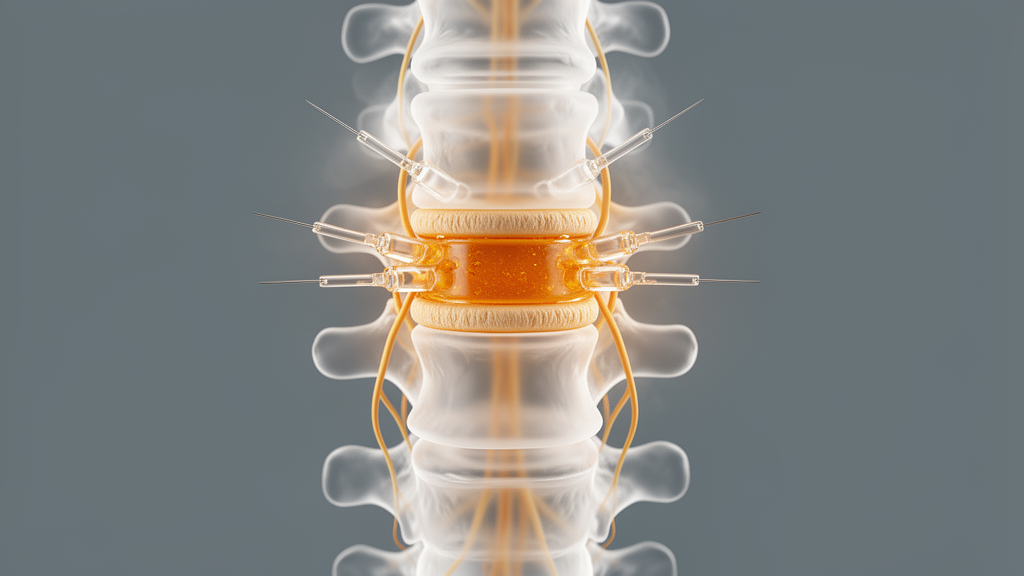
A new systematic review and meta-analysis of randomized controlled trials has found no consistent difference in pain or functional outcomes between epidural platelet-rich plasma and corticosteroid injections for lumbar disc herniation. The study, published in BMC Musculoskeletal Disorders, synthesized data from six trials involving a total of 406 participants. The primary conclusion is that current randomized evidence does not support the routine substitution of corticosteroids with platelet-rich plasma for this condition, given the lack of demonstrated superiority and the limited certainty of the available data.
The research was conducted to address the growing interest in platelet-rich plasma as a biologic alternative to traditional corticosteroid treatments. Epidural injections are a common management strategy for radiculopathy caused by lumbar disc herniation, yet the comparative efficacy and safety of these two distinct approaches remained uncertain prior to this analysis.
Following PRISMA guidelines, the research team performed comprehensive searches across MEDLINE, Scopus, Cochrane CENTRAL, and Web of Science through July 2025. The eligibility criteria required studies to be randomized controlled trials enrolling adults with lumbar disc herniation who received either epidural PRP or corticosteroid injections. Outcomes were limited to pain and functional measures reported using standardized scales, ensuring that the pooled analyses focused on clinically relevant endpoints. The review was registered with PROSPERO under the identifier CRD420251067009 to ensure transparency in the research process.
The statistical methodology employed random-effects models with restricted maximum likelihood and Hartung–Knapp adjustment to account for potential variability between studies. Risk of bias was assessed using the Cochrane RoB2 tool, while the certainty of the evidence was evaluated using the GRADE framework.
The results indicated that pain outcomes did not differ significantly between the two groups at any follow-up point through six months. For instance, at the three-month mark, the standardized mean difference was −0.63, with a 95% confidence interval ranging from −1.58 to 0.33, which includes zero and thus suggests no statistically significant difference. Similarly, functional disability showed little to no between-group difference at three months, with a standardized mean difference of 0.00 and a 95% confidence interval from −0.26 to 0.26. The heterogeneity for this functional outcome was reported as 0%, indicating a high degree of consistency among the included studies regarding this specific measure.
Despite the lack of serious neurological complications or infections being reported in the trials, the authors noted that adverse-event reporting was sparse and inconsistent. This limitation means that a definitive comparative safety profile could not be established. The heterogeneity in intervention protocols across the six trials, combined with the limited sample sizes, reduced the precision of the pooled estimates. Consequently, the overall certainty of the evidence ranged from very low to moderate, reflecting the challenges in drawing firm conclusions from the current body of research.
The authors emphasize that the substantial heterogeneity, imprecision, and limited safety reporting in the existing literature make the evidence insufficient to support a shift in clinical practice. While PRP has emerged as a popular alternative in regenerative medicine, this meta-analysis suggests that it does not currently offer a clear benefit over corticosteroids for pain or function in the short to medium term.
Future research is called for to clarify the long-term effectiveness and safety of epidural PRP compared to corticosteroids. The authors recommend larger, standardized trials that can provide more precise estimates and address the gaps in safety data.
Subject of Research: Comparative efficacy of epidural platelet-rich plasma and corticosteroids for lumbar disc herniation
Article Title: Epidural platelet-rich plasma versus corticosteroid for lumbar disc herniation: a systematic review and meta-analysis of randomized controlled trials
Article References: Plangsiri, K., Phimolthares, S., Boonyanuwat, W., Kanjanarat, G., & Kongmalai, P. (2026). Epidural platelet-rich plasma versus corticosteroid for lumbar disc herniation: a systematic review and meta-analysis of randomized controlled trials. BMC Musculoskeletal Disorders. https://doi.org/10.1186/s12891-026-10656-9
Image Credits: AI Generated
DOI: 10.1186/s12891-026-10656-9
Keywords: platelet-rich plasma, corticosteroid injections, lumbar disc herniation, systematic review, meta-analysis, randomized controlled trials, radiculopathy, epidural injections, pain management, functional disability, BMC Musculoskeletal Disorders, biologic alternative, clinical outcomes, evidence certainty, spinal pain, intervention protocols, adverse events, statistical heterogeneity, regenerative medicine, musculoskeletal disorders
News Source: Ophelia Keating. (November 11, 2026). PRP and Corticosteroids Show No Clear Pain Difference in Back Herniation. Scienmag.