


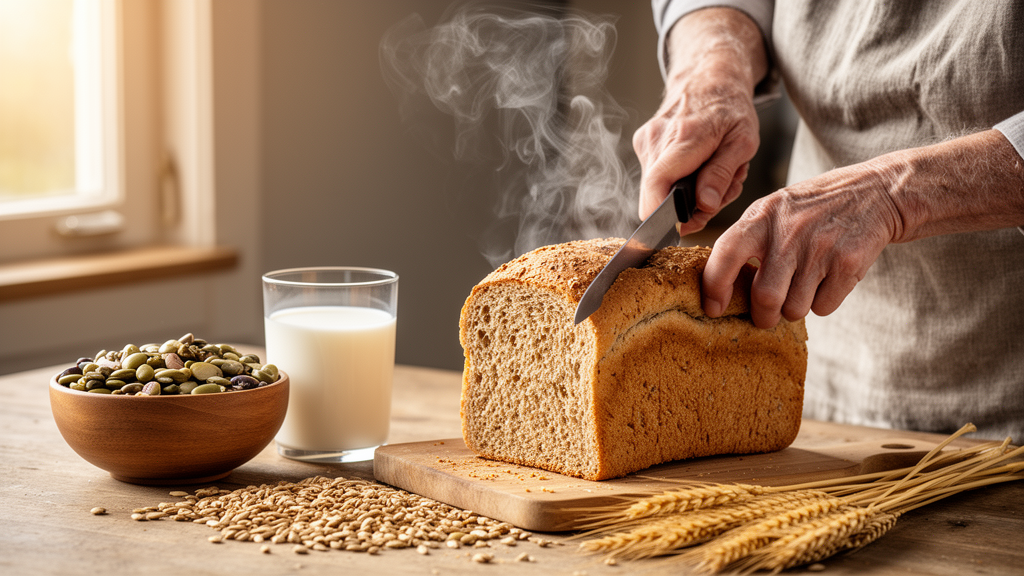
Bread, cakes and cookies could become unexpected allies in the fight against age-related malnutrition. A systematic review published in Food, Nutrition and Health examined whether everyday bakery products, reformulated with protein-rich and texture-modulating ingredients, can help older adults who struggle with chewing, swallowing and getting enough protein. The review, which searched PubMed, Scopus, ScienceDirect and the Cochrane Library up to October 1, 2025, identified 14 eligible studies and found that enrichment generally softened the crumb, improved the subjective ease of chewing and swallowing, and, in clinical trials, significantly increased the daily protein intake of older adults.
The research team, led by Isaac Amoah, noted that bakery products are among the most commonly consumed staples worldwide, prized for their low cost, easy access and simple preparation. That ubiquity makes them attractive delivery vehicles for nutrition interventions. The dough matrix can be enriched with hydrocolloids, protein isolates, vegetable flours and dietary fibres, ingredients that alter moisture retention, bolus cohesiveness and saliva interaction, all of which are critical for effective oral processing in older mouths.
Of the 14 included studies, bread and bread products such as rolls and buns dominated, appearing in 10 of the 14. Muffins featured in two studies, a cookie in one and a cake in one. Common enrichment ingredients included soy protein isolate, whey protein hydrolysate and isolate, soybean soluble polysaccharide, drum-dried pumpkin flour, sweet corn flour, inulin, sacha inchi seed cake, chicken protein powder and rapeseed meal. Most were chosen for their ability to boost protein content while improving texture, moisture retention and mouthfeel.
The texture findings followed a consistent dose-response pattern. Moderate inclusion levels, around 7 percent for whey protein hydrolysate in rye bread, improved texture and acceptability, while higher substitution levels, around 20 percent, frequently increased hardness and dryness and reduced liking. The review’s authors attribute this to protein-starch interactions that limit water absorption and disrupt the gluten network, producing firmer, drier crumbs. They describe an optimal addition level, a threshold at which nutritional enhancement is achieved without compromising the sensory and functional attributes that older adults depend on.
Several individual studies illustrate the mechanism. In one trial, breads enriched with drum-dried pumpkin and sweet corn flours were reported to be almost 50 percent easier to chew and swallow than commercial white breads among adults aged 50 and older, an effect the authors link to dietary fibre and natural pectin acting as hydrocolloids that bind water and soften the crumb. In another, adding 10 grams of soybean soluble polysaccharide to bread containing 30 grams of soy protein isolate lowered hardness and improved palatability, compensating for the weakened gluten network that high protein substitution causes. Cookies enriched with 10 percent sacha inchi oil cake recorded the highest protein content, lower hardness and the highest liking among adults aged 65 and older.
Sensory research in the review reinforced these findings. A study of 76 healthy active Italian adults aged 60 to 75 found generally low acceptance of commercial breads, though loaves containing sunflower oil, sourdough and extra virgin olive oil were most liked. Another study of older adults, including care-home residents, found that soft, colourful and moist products were preferred, while dense or sticky items scored poorly; chilled or semi-frozen products were better tolerated, suggesting that serving temperature can reduce perceived gumminess and stickiness that impede swallowing.
The clinical evidence centred on protein-enriched bread, often co-consumed with yogurt or other protein beverages. In a randomized controlled trial, 42 community-dwelling adults aged 65 and older ate an average of 3.34 slices of bread enriched with milk, pea and meat powder per day over two weeks, and total daily protein intake rose. A separate randomized controlled trial in rehabilitation-centre patients aged 55 and older, using protein-enriched bread with whey protein concentrate yogurt for three weeks, likewise showed increased protein intake. Further trials in acute hospitalized older adults reported significant improvements in daily protein intake when protein-enriched bread and yogurt were introduced, and a 30-day pre-post study of muffins enriched with 43 percent Ramon seed flour plus a beverage reported improved energy intake and preserved muscle reserves.
The authors caution that these interventions primarily measured dietary intake rather than clinical endpoints. Evidence supporting direct prevention or reversal of sarcopenia remains limited, they write, because most trials were short and did not assess muscle mass, muscle strength or physical performance. While adequate protein intake is a well-established strategy for stimulating muscle protein synthesis and attenuating age-related muscle loss, the extent to which protein-enriched bakery products alone can prevent sarcopenia has not been fully established. The review also notes a generally moderate risk of bias across the included studies, with concerns about allocation concealment and blinding in the randomized trials and small sample sizes and absent blinding in the pre-post work.
Geography shaped the evidence base. Ten of the 14 studies came from Europe, including four from the Netherlands and two from Denmark, and no studies from the African continent were identified, despite rising older-adult populations and popular bakery consumption there. The authors argue this Eurocentric concentration limits generalizability, since dietary habits, ingredient availability and healthcare contexts differ across regions, and they call for region-specific research using locally available, affordable ingredients such as Bambara groundnut, African yam bean and other underutilized legumes to develop culturally appropriate, protein-rich and texture-modified bakery products.
Overall, the review concludes that recipe reformulation through controlled inclusion of protein isolates, hydrocolloids, vegetable flours or dietary fibres can enhance the nutritional value and textural properties of bakery products for older adults, supporting higher protein intake and easier chewing and swallowing. The authors recommend longer randomized controlled trials with functional and clinical outcomes, objective texture-analyzer measurements paired with subjective perceptions, amino acid profiling using the Digestible Indispensable Amino Acid Score, and exploration of underutilized plant-based protein sources to strengthen the evidence base and guide future product development.
Subject of Research: Systematic review of protein-enriched and texture-modified bakery products for managing dysphagia, sarcopenia and protein malnutrition in older adults
Article Title: Targeting bakery products for dysphagia, sarcopenia and protein malnutrition management in older adults: a systematic review
Article References: Amoah, I., Adu Sarpong, V., Adjei-Boamah, C., Tawiah, P., Lombardo, M., & Rush, E. (2026). Targeting bakery products for dysphagia, sarcopenia and protein malnutrition management in older adults: a systematic review. Food, Nutrition and Health, 3(1), Article 23. https://doi.org/10.1007/s44403-026-00068-x
Image Credits: AI Generated
DOI: 10.1007/s44403-026-00068-x
Keywords: systematic review, bakery products, bread, dysphagia, sarcopenia, protein malnutrition, older adults, food reformulation, protein enrichment, texture modification, IDDSI, healthy aging
News Source: Daisy Hatcher. (October 30, 2026). Protein-enriched bread shows promise for older adults, systematic review finds. Scienmag.



