• HOME
  • NEWS
  • EXPLORE
    • CAREER
      • Companies
      • Jobs
    • EVENTS
    • iGEM
      • News
      • Team
    • PHOTOS
    • VIDEO
    • WIKI
  • BLOG
  • COMMUNITY
    • FACEBOOK
    • INSTAGRAM
    • TWITTER
Monday, May 11, 2026
BIOENGINEER.ORG
No Result
View All Result
  • Login
  • HOME
  • NEWS
  • EXPLORE
    • CAREER
      • Companies
      • Jobs
        • Lecturer
        • PhD Studentship
        • Postdoc
        • Research Assistant
    • EVENTS
    • iGEM
      • News
      • Team
    • PHOTOS
    • VIDEO
    • WIKI
  • BLOG
  • COMMUNITY
    • FACEBOOK
    • INSTAGRAM
    • TWITTER
  • HOME
  • NEWS
  • EXPLORE
    • CAREER
      • Companies
      • Jobs
        • Lecturer
        • PhD Studentship
        • Postdoc
        • Research Assistant
    • EVENTS
    • iGEM
      • News
      • Team
    • PHOTOS
    • VIDEO
    • WIKI
  • BLOG
  • COMMUNITY
    • FACEBOOK
    • INSTAGRAM
    • TWITTER
No Result
View All Result
Bioengineer.org
No Result
View All Result
Home NEWS Science News Chemistry

Proposed seismic surveys in Arctic Refuge likely to cause lasting damage

Bioengineer by Bioengineer
June 10, 2020
in Chemistry
Reading Time: 2 mins read
0
IMAGE
Share on FacebookShare on TwitterShare on LinkedinShare on RedditShare on Telegram

IMAGE

Credit: Photo by Matt Nolan

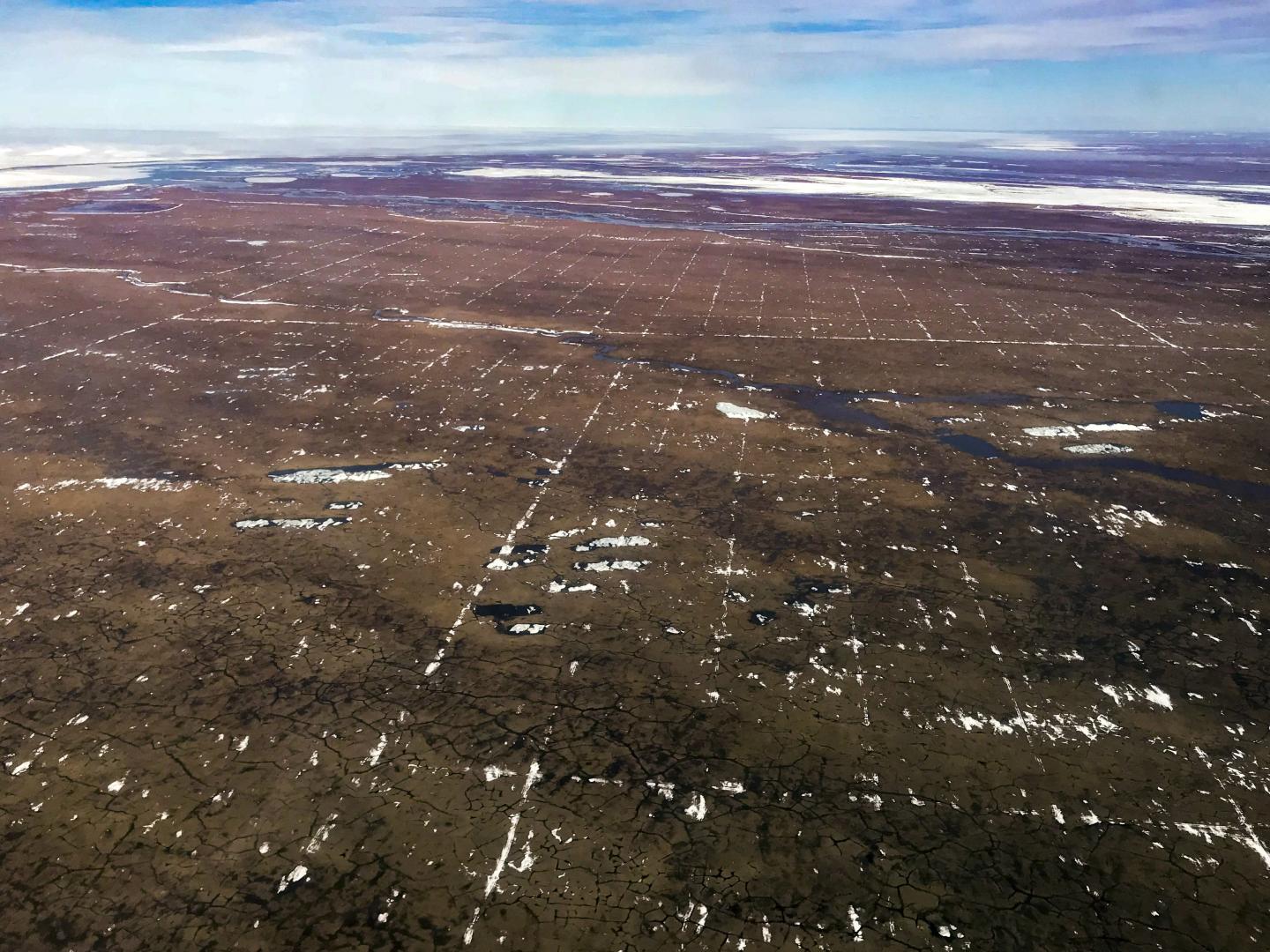
Winter vehicle travel can cause long-lasting damage to the tundra, according to a new paper by University of Alaska Fairbanks researchers published in the journal Ecological Applications.

Scars from seismic surveys for oil and gas exploration in the Arctic National Wildlife Refuge remained for decades, according to the study. The findings counter assertions made by the Bureau of Land Management in 2018 that seismic exploration causes no “significant impacts” on the landscape. That BLM determination would allow a less-stringent environmental review process of seismic exploration in the Arctic Refuge 1002 Area.
 

UAF’s Martha Raynolds, the lead author of the study, said she and other scientists have documented lasting impacts of winter trails throughout years of field research. Their paper, authored by an interdisciplinary team with expertise in Arctic vegetation, snow, hydrology and permafrost, summarizes what is currently known about the effects of Arctic seismic exploration and what additional information is needed to effectively regulate winter travel to minimize impacts.

A grid pattern of seismic survey lines is used to study underground geology. These trails, as well as trails caused by camps that support workers, damage the underlying tundra, even when limited to frozen, snow-covered conditions. Some of the existing scars on the tundra date back more than three decades, when winter 2D seismic surveys were initiated. Modern 3D surveying requires a tighter network of survey lines, with larger crews and more vehicles. The proposed 1002 Area survey would result in over 39,000 miles of tracks.
 

“Winter tundra travel is not a technology that has changed much since the ’80s,” said Raynolds, who studies Arctic vegetation at UAF’s Institute of Arctic Biology. “The impacts are going to be as bad or worse, and there are proposing many, many more miles of trails.”

Conditions for winter tundra travel have become more difficult, due to a mean annual temperature increase of 7-9 degrees F on Alaska’s Arctic coastal plain since 1986. Those warmer conditions have contributed to changing snow cover and thawing permafrost. The impact of tracks on the vegetation, soils and permafrost eventually changes the hydrology and habitat of the tundra, which affects people and wildlife who rely on the ecosystem.
 

The paper argues that more data are needed before proceeding with Arctic Refuge exploration efforts. That includes better information about the impacts of 3D seismic exploration; better weather records in the region, particularly wind and snow data; and high-resolution maps of the area’s ground ice and hydrology. The study also emphasizes that the varied terrain and topography in the 1002 Area are different from other parts of the North Slope, making it more vulnerable to damage from seismic exploration.
 

###

Other contributors to the paper included UAF’s Mikhail Kanevskiy, Matthew Sturm and Donald “Skip” Walker; Anna Liljedahl, UAF and Woods Hole Research Center; Janet Jorgenson, U.S. Fish and Wildlife Service; Torre Jorgenson, Alaska Ecoscience; and Matthew Nolan, Fairbanks Fodar.

Media Contact
Jeff Richardson
[email protected]

Tags: Climate ChangeEarth ScienceGeology/SoilGeophysics/GravityHydrology/Water Resources
Share12Tweet8Share2ShareShareShare2

Related Posts

Miniature Sensor Uses Light to Detect Touch — Chemistry

Miniature Sensor Uses Light to Detect Touch

May 8, 2026
Iron Minerals Determine Whether Dissolved Organic Matter Fuels Microbes or Becomes Long-Term Carbon Storage — Chemistry

Iron Minerals Determine Whether Dissolved Organic Matter Fuels Microbes or Becomes Long-Term Carbon Storage

May 8, 2026

Kate Evans Appointed Associate Lab Director for Biological and Environmental Systems Science at ORNL

May 8, 2026

Advancing Multiscale Modeling and Overcoming Operational Challenges in Autothermal CO₂-to-Methanol Reactors

May 8, 2026
Please login to join discussion

POPULAR NEWS

  • Research Indicates Potential Connection Between Prenatal Medication Exposure and Elevated Autism Risk

    840 shares
    Share 336 Tweet 210
  • New Study Reveals Plants Can Detect the Sound of Rain

    727 shares
    Share 290 Tweet 181
  • Salmonella Haem Blocks Macrophages, Boosts Infection

    61 shares
    Share 24 Tweet 15
  • Breastmilk Balances E. coli and Beneficial Bacteria in Infant Gut Microbiomes

    57 shares
    Share 23 Tweet 14

About

We bring you the latest biotechnology news from best research centers and universities around the world. Check our website.

Follow us

Recent News

New Post-Hoc Analysis Explores Daily Oral Orforglipron Use in Adults Over 65 with Obesity, Regardless of Diabetes Status

Evaluating Digoxin Use in Patients with Symptomatic Rheumatic Heart Disease

Evaluating the Effectiveness and Safety of Digitalis Glycosides in Treating Heart Failure

Subscribe to Blog via Email

Enter your email address to subscribe to this blog and receive notifications of new posts by email.

Join 82 other subscribers
  • Contact Us

Bioengineer.org © Copyright 2023 All Rights Reserved.

Welcome Back!

Login to your account below

Forgotten Password?

Retrieve your password

Please enter your username or email address to reset your password.

Log In
No Result
View All Result
  • Homepages
    • Home Page 1
    • Home Page 2
  • News
  • National
  • Business
  • Health
  • Lifestyle
  • Science

Bioengineer.org © Copyright 2023 All Rights Reserved.