• HOME
  • NEWS
  • EXPLORE
    • CAREER
      • Companies
      • Jobs
    • EVENTS
    • iGEM
      • News
      • Team
    • PHOTOS
    • VIDEO
    • WIKI
  • BLOG
  • COMMUNITY
    • FACEBOOK
    • INSTAGRAM
    • TWITTER
Tuesday, July 7, 2026
BIOENGINEER.ORG
No Result
View All Result
  • Login
  • HOME
  • NEWS
  • EXPLORE
    • CAREER
      • Companies
      • Jobs
        • Lecturer
        • PhD Studentship
        • Postdoc
        • Research Assistant
    • EVENTS
    • iGEM
      • News
      • Team
    • PHOTOS
    • VIDEO
    • WIKI
  • BLOG
  • COMMUNITY
    • FACEBOOK
    • INSTAGRAM
    • TWITTER
  • HOME
  • NEWS
  • EXPLORE
    • CAREER
      • Companies
      • Jobs
        • Lecturer
        • PhD Studentship
        • Postdoc
        • Research Assistant
    • EVENTS
    • iGEM
      • News
      • Team
    • PHOTOS
    • VIDEO
    • WIKI
  • BLOG
  • COMMUNITY
    • FACEBOOK
    • INSTAGRAM
    • TWITTER
No Result
View All Result
Bioengineer.org
No Result
View All Result
Home NEWS Science News Chemistry

Product recommendation systems can help with search of antiviral drugs

Bioengineer by Bioengineer
June 22, 2020
in Chemistry
Reading Time: 2 mins read
0
IMAGE
Share on FacebookShare on TwitterShare on LinkedinShare on RedditShare on Telegram

IMAGE

Credit: Skoltech

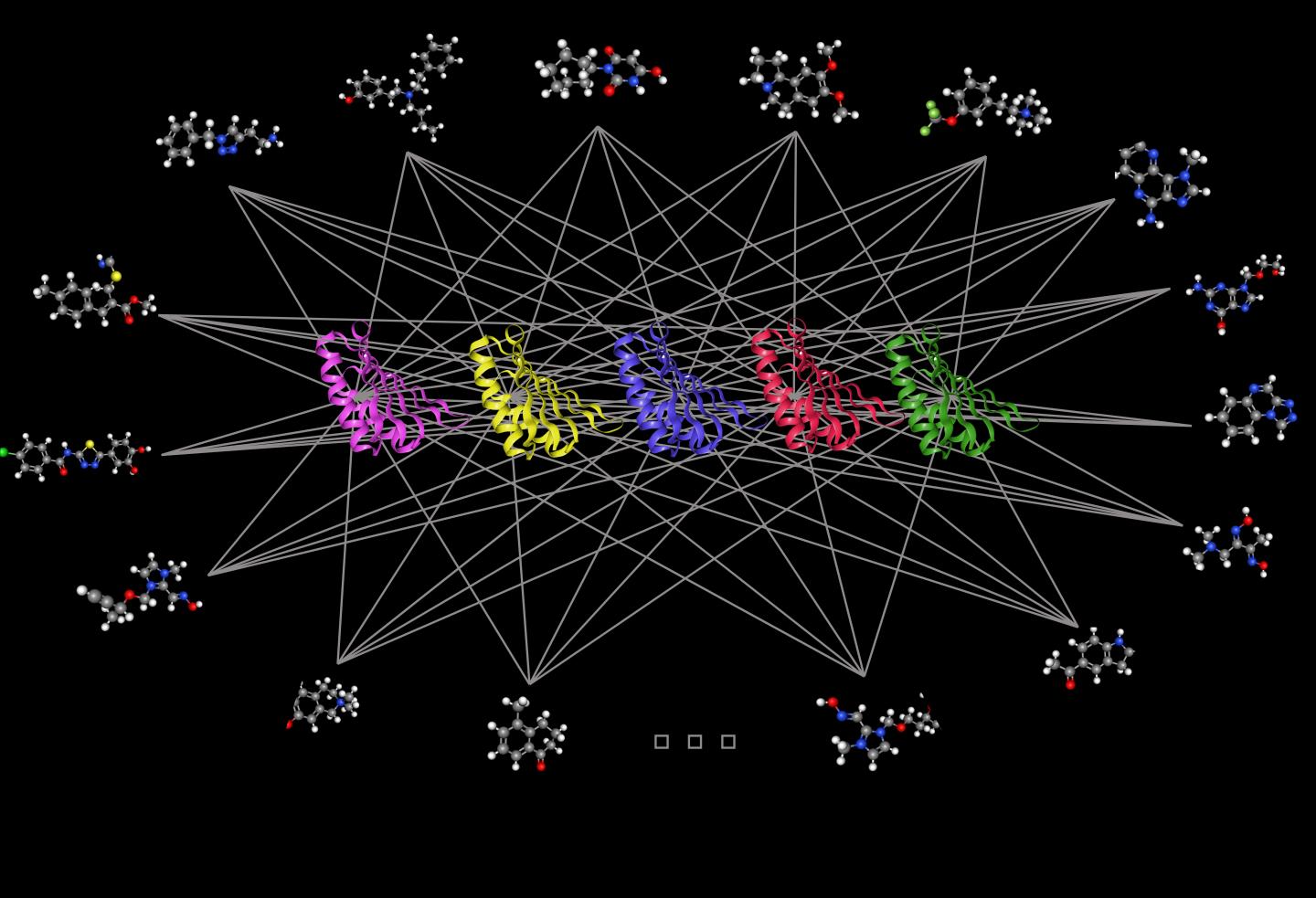
Scientists from Skoltech and the Chumakov Federal Scientific Center for Research and Development of Immune-and-Biological Products of RAS checked the ability of artificial intelligence that suggest products to buy, recommend new antiviral compounds. The researchers found that advanced algorithms can effectively suggest both music, movies to buy, and compounds with antiviral activity.

Every internet user knows contextual advertising that suggests products to buy along with already purchased ones. Online retail use recommender systems that analyze user’s preferences and purchase history to suggest a new product, a movie, or music. Can these algorithms “recommend” a new antiviral drug or “recommend” a well-known approved drug for a new disease?

A multidisciplinary team from the Skoltech Center for Computational and Data-Intensive Science and Engineering (CDISE) (Ekaterina Sosnina, Sergey Sosnin, Ivan Nazarov, and Maxim Fedorov) and the Chumakov Federal Scientific Center for Research and Development of Immune-and-Biological Products of RAS (Anastasia Nikitina and Dmitry Osolodkin) has checked this idea. The researchers carried out computational experiments and compared the performance of different recommender algorithms for the selection of small molecules active toward viruses. They showed that recommender systems could effectively pinpoint antiviral compounds and find promising drug candidates based on latent relationships in chemical and biological data. The key to success was Big Data: the team used the extensive ViralCHEMBL database containing antiviral activity data of about 250,000 molecules against 158 viral species.

“The success of this project is based on both significant progress in the mathematical algorithms and deep expertise in the subject area, such as medicinal chemistry, biology, and machine learning. We have launched this project long before the coronavirus outbreak and hope that our findings will help researchers to find new molecules with anti-SARS-CoV-2 activity” says Ekaterina Sosnina, a Ph.D. student at Skoltech and the first author of the paper.

The scientists believe that their study will help chemists to find new antiviral drug candidates and provide a way for the repurposing of the existing drugs to combat SARS-CoV-2 and other potential viral outbreaks.

###

Media Contact
Alina Chernova
[email protected]

Original Source

https://www.skoltech.ru/en/2020/06/product-recommendation-systems-can-help-with-search-of-antiviral-drugs/

Related Journal Article

http://dx.doi.org/10.1021/acsomega.0c00857

Tags: Biomedical/Environmental/Chemical EngineeringChemistry/Physics/Materials SciencesResearch/DevelopmentTechnology/Engineering/Computer Science
Share12Tweet8Share2ShareShareShare2

Related Posts

Salt adaptation linked to higher disease risk, Mizzou study finds

Salt adaptation linked to higher disease risk, Mizzou study finds

July 6, 2026
Intelligent Microgrid Management Promises Lower Household Energy Bills and Reduced Diesel Emissions — Chemistry

Intelligent Microgrid Management Promises Lower Household Energy Bills and Reduced Diesel Emissions

July 4, 2026

Graz University of Technology Deciphers the Structural Secrets of MOF Thin Films

July 2, 2026

Breaking Thermodynamic Limits: Wavelength-Driven Catalysis Advances Ammonia Synthesis

July 2, 2026
Please login to join discussion

POPULAR NEWS

  • Detection of EDCs in Breast Milk and Infant Urine Up to Six Months Highlights Early Exposure Risks

    77 shares
    Share 31 Tweet 19
  • New Drug Candidate Developed at McMaster Shows Potential for Treating Brain Cancer

    58 shares
    Share 23 Tweet 15
  • Saying Goodbye to PGY-6: Pediatric Fellowship Realities

    103 shares
    Share 41 Tweet 26
  • KTU Researchers Explore Ultrasound’s Role in Enhancing Blood Flow Beyond Diagnostics

    53 shares
    Share 21 Tweet 13

About

We bring you the latest biotechnology news from best research centers and universities around the world. Check our website.

Follow us

Recent News

Flame retardant BDE-209 targets molecularly linked to ulcerative colitis

Ultra-high frequency particle impacts mimic rockbursts to shatter hard rock

Kidney transplant outcomes in older adults studied by German researchers

Subscribe to Blog via Email

Success! An email was just sent to confirm your subscription. Please find the email now and click 'Confirm' to start subscribing.

Join 83 other subscribers
  • Contact Us

Bioengineer.org © Copyright 2023 All Rights Reserved.

Welcome Back!

Login to your account below

Forgotten Password?

Retrieve your password

Please enter your username or email address to reset your password.

Log In
No Result
View All Result
  • Homepages
    • Home Page 1
    • Home Page 2
  • News
  • National
  • Business
  • Health
  • Lifestyle
  • Science

Bioengineer.org © Copyright 2023 All Rights Reserved.