• HOME
  • NEWS
  • EXPLORE
    • CAREER
      • Companies
      • Jobs
    • EVENTS
    • iGEM
      • News
      • Team
    • PHOTOS
    • VIDEO
    • WIKI
  • BLOG
  • COMMUNITY
    • FACEBOOK
    • INSTAGRAM
    • TWITTER
Sunday, May 10, 2026
BIOENGINEER.ORG
No Result
View All Result
  • Login
  • HOME
  • NEWS
  • EXPLORE
    • CAREER
      • Companies
      • Jobs
        • Lecturer
        • PhD Studentship
        • Postdoc
        • Research Assistant
    • EVENTS
    • iGEM
      • News
      • Team
    • PHOTOS
    • VIDEO
    • WIKI
  • BLOG
  • COMMUNITY
    • FACEBOOK
    • INSTAGRAM
    • TWITTER
  • HOME
  • NEWS
  • EXPLORE
    • CAREER
      • Companies
      • Jobs
        • Lecturer
        • PhD Studentship
        • Postdoc
        • Research Assistant
    • EVENTS
    • iGEM
      • News
      • Team
    • PHOTOS
    • VIDEO
    • WIKI
  • BLOG
  • COMMUNITY
    • FACEBOOK
    • INSTAGRAM
    • TWITTER
No Result
View All Result
Bioengineer.org
No Result
View All Result
Home NEWS Science News Biology

Private land conservation research underrepresents geographical regions and stakeholders

Bioengineer by Bioengineer
July 16, 2019
in Biology
Reading Time: 2 mins read
0
IMAGE
Share on FacebookShare on TwitterShare on LinkedinShare on RedditShare on Telegram

IMAGE

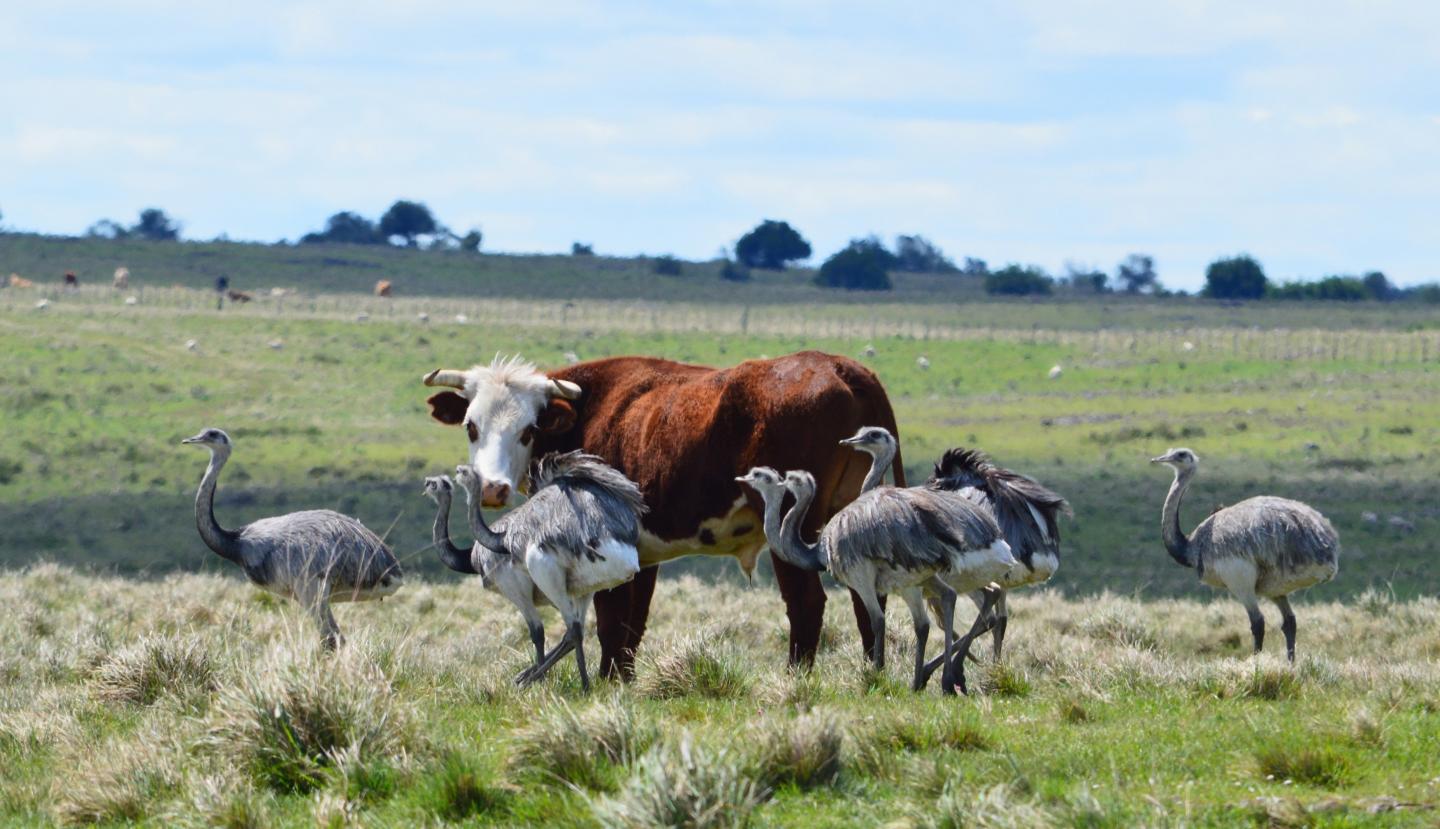
Credit: Gonzalo Cortés Capano

Biodiversity loss is one of the most prominent global issues, also affecting human well-being. With privately owned land covering large areas of the world, private land conservation is an increasingly recognized strategy to address the biodiversity crisis and support human well-being.

Several governments are currently developing and implementing private land conservation policies to achieve national and global conservation targets. A new study assessed 30 years of published scientific literature in order to identify research gaps and mainstream future private land conservation research.

“We found that 78% of the articles focused on four countries only, namely United States of America, Australia, South Africa and Canada”, says Gonzalo Cortés Capano, a PhD student at the University of Helsinki and lead author of the study. “However, priority areas for biodiversity conservation on private land extend well beyond these four countries. Worryingly, we also found that half of the articles did not report the engagement of any stakeholder sector, which is fundamental for successful biodiversity conservation”.

“Furthermore, we found differences in literature content, showing that research has focus on different topics at the continental level”, says Associate Professor Tuuli Toivonen, a co-author in the paper. “These differences might well reflect research adaptations to regional contexts and needs”, she continues.

“While several policy instruments exist to promote private land conservation globally, we found that property rights instruments, for example landowners voluntarily transferring partial property rights to a conservation organization, were the most covered instruments in literature”, says Dr Alvaro Soutullo, Scientific Director of the Uruguayan Antarctic Institute, a co-author in the paper.

“As conserving biodiversity in a changing world requires understanding complex socio-ecological systems, it is paramount that future research better understands stakeholders’ engagement in private land conservation”, says Adjunct Professor Enrico Di Minin, senior co-author in the paper. “We also need to better understand which conservation actions and policies help achieve the best outcomes in diverse cultural and geographical contexts”, he concludes.

###

Media Contact
Gonzalo Cortés Capano
[email protected]

Original Source

https://www.helsinki.fi/en/news/sustainability-news/private-land-conservation-research-underrepresents-geographical-regions-and-stakeholders

Related Journal Article

http://dx.doi.org/10.1016/j.biocon.2019.07.010

Tags: AgricultureBiodiversityBiologyEarth ScienceGeography
Share12Tweet8Share2ShareShareShare2

Related Posts

Ancient Plant Populations Reveal Fresh Insights into Climate Resilience — Biology

Ancient Plant Populations Reveal Fresh Insights into Climate Resilience

May 8, 2026
Rare Brain Disorders in Children Linked to Mutations in Lesser-Known Protein Complex — Biology

Rare Brain Disorders in Children Linked to Mutations in Lesser-Known Protein Complex

May 8, 2026

From Odd Insect to Underwater Predator: The Remarkable Evolution of a Bloodthirsty Fruit Fly

May 8, 2026

SNU Professor Sangwoo Seo’s Team Develops Next-Generation CRISPR Biocontainment Technology to Control Microbial Survival Without DNA Cleavage

May 8, 2026
Please login to join discussion

POPULAR NEWS

  • Research Indicates Potential Connection Between Prenatal Medication Exposure and Elevated Autism Risk

    840 shares
    Share 336 Tweet 210
  • New Study Reveals Plants Can Detect the Sound of Rain

    727 shares
    Share 290 Tweet 181
  • Scientists Investigate Possible Connection Between COVID-19 and Increased Lung Cancer Risk

    68 shares
    Share 27 Tweet 17
  • Salmonella Haem Blocks Macrophages, Boosts Infection

    61 shares
    Share 24 Tweet 15

About

We bring you the latest biotechnology news from best research centers and universities around the world. Check our website.

Follow us

Recent News

Evaluating Digoxin Use in Patients with Symptomatic Rheumatic Heart Disease

Evaluating the Effectiveness and Safety of Digitalis Glycosides in Treating Heart Failure

Urdu Fall Risk Questionnaire Adapted for Elderly

Subscribe to Blog via Email

Enter your email address to subscribe to this blog and receive notifications of new posts by email.

Join 82 other subscribers
  • Contact Us

Bioengineer.org © Copyright 2023 All Rights Reserved.

Welcome Back!

Login to your account below

Forgotten Password?

Retrieve your password

Please enter your username or email address to reset your password.

Log In
No Result
View All Result
  • Homepages
    • Home Page 1
    • Home Page 2
  • News
  • National
  • Business
  • Health
  • Lifestyle
  • Science

Bioengineer.org © Copyright 2023 All Rights Reserved.