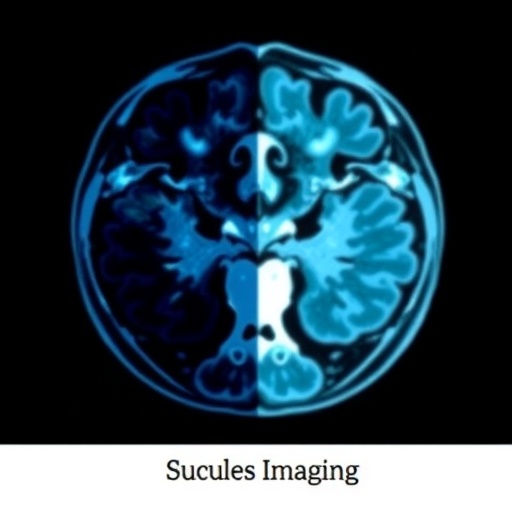
In a groundbreaking study poised to redefine pediatric imaging, researchers Hoeksema, Hayatghaibi, and Sharp explored the pivotal discrepancies that can emerge between primary and secondary interpretations of pediatric nuclear medicine imaging examinations. Their research, appearing in the esteemed journal Pediatric Radiology, shines a crucial light on the potential variations in diagnostic conclusions that may arise from differing interpretation approaches employed by healthcare professionals. This work promises to enhance diagnostic accuracy, improve patient outcomes, and streamline clinical workflows for the welfare of young patients facing complex medical conditions.
Nuclear medicine imaging has become an indispensable tool within the pediatric radiology landscape, offering unique insights into the physiological processes within a child’s body. However, the interpretation of these complex images is an intricate task that relies heavily on the expertise and experience of the interpreting physician. The study sets out to identify the significant factors contributing to interpretative discrepancies, which could ultimately impact the clinical decision-making process in pediatric care settings.
In their comprehensive analysis, the researchers meticulously reviewed various cases and obtained primary and secondary interpretations from a wide range of nuclear medicine experts. This exhaustive examination highlighted notable variances in diagnostic conclusions attributed to myriad factors, including individual interpretation styles, the contextual information provided alongside imaging studies, and the specific algorithms used to analyze the imaging data. The findings underscore a pressing need for standardized protocols in the interpretation of pediatric nuclear medicine examinations, as consistency in diagnostic conclusions remains essential for ensuring optimal care for vulnerable pediatric patients.
A striking revelation from this research is the realization that even experienced professionals can diverge significantly in their interpretations, potentially leading to differing clinical recommendations. The implications of this variability are profound, affecting both the treatment trajectory for patients and the healthcare resources allocated to their care. Such findings raise questions about the training and reference guidelines currently in place, suggesting the necessity for enhanced consistency across the board.
Additionally, the study touches on the importance of collaboration among specialists in pediatric radiology and nuclear medicine. By fostering a multidisciplinary approach to case discussions and interpretations, medical professionals may be able to mitigate interpretative discrepancies and bolster the accuracy of imaging evaluations. The research advocates for regular case review sessions, allowing physicians to benefit from each other’s perspectives and expertise, ultimately sharpening their interpretive skills and promoting a uniform standard of care.
The role of technology in refining interpretative accuracy also surfaces as a critical component of the study’s findings. With advancements in artificial intelligence and machine learning capabilities, there lies substantial promise in leveraging these technologies to assist radiologists in their interpretations. The potential for AI systems to analyze imaging data and flag inconsistencies offers a pathway toward reducing human error and streamlining the diagnostic process in pediatric nuclear medicine.
This study does not merely reveal discrepancies; it ignites a vital conversation about the future of pediatric nuclear medicine interpretations. As hospitals and clinics shift toward more holistic, data-driven approaches in patient care, feeding these advancements into education and training programs for healthcare providers will be essential. Emphasizing the significance of ongoing professional development and training will prepare medical professionals to embrace new technologies and collaborative models effectively.
As discourse surrounding pediatric nuclear medicine continues to evolve, stakeholders must engage with these insights to foster a more cohesive and transparent healthcare ecosystem. The implications of interpretative discrepancies stretch beyond individual cases; they reflect systemic challenges that young patients face in the healthcare realm. There is an urgent need for concerted efforts among researchers, educators, and practitioners to address these concerns effectively.
This decade has already witnessed remarkable advances in nuclear medicine, providing an opportunity for the medical community to reflect on past practices and re-evaluate current standards. As institutions adopt evidence-based methodologies in both clinical settings and research, it is pivotal that they incorporate insights from studies like this one to drive positive change. Understanding the nuances of interpretative variability can pave the way for creating a more robust framework for evaluating pediatric patients, safeguarding their health amid complexities they encounter.
Patient-centered care must remain at the forefront of pediatric nuclear medicine, ensuring that young patients receive the most accurate diagnoses leading to effective treatments. Following the critical insights presented in this research, healthcare systems would benefit from developing protocols that encourage second opinions and collaborative discussions, where necessary, bridging gaps that may exist in interpretative practices.
In conclusion, the research led by Hoeksema and colleagues serves as a vital contribution to the landscape of pediatric nuclear medicine. It opens the door for further inquiry into improving interpretative practices, underscoring the importance of standardization, collaboration, and the integration of technological advancements. As the community reflects on these findings, the drive for enhanced care and improved patient outcomes for children diagnosed with complex medical conditions must remain a primary objective.
Subject of Research: Discrepancies between primary and secondary interpretations of pediatric nuclear medicine imaging examinations.
Article Title: Discrepancies between primary and secondary interpretations of pediatric nuclear medicine imaging examinations.
Article References:
Hoeksema, P., Hayatghaibi, S., Sharp, S.E. et al. Discrepancies between primary and secondary interpretations of pediatric nuclear medicine imaging examinations.
Pediatr Radiol (2025). https://doi.org/10.1007/s00247-025-06441-w
Image Credits: AI Generated
DOI: 04 December 2025
Keywords: Pediatric nuclear medicine, imaging interpretation, diagnostic discrepancies, healthcare collaboration.
Tags: advancements in nuclear medicine for childrenclinical decision-making in pediatric carediagnostic accuracy in pediatric radiologydiscrepancies in nuclear medicine interpretationsexpert analysis in pediatric radiologyfactors influencing nuclear medicine interpretationsimproving patient outcomes in pediatric imaginginterpretative discrepancies in medical imagingpediatric imaging interpretation challengespediatric nuclear medicine researchPrimary insights in pediatric nuclear imagingsecondary insights in pediatric nuclear imaging