• HOME
  • NEWS
  • EXPLORE
    • CAREER
      • Companies
      • Jobs
    • EVENTS
    • iGEM
      • News
      • Team
    • PHOTOS
    • VIDEO
    • WIKI
  • BLOG
  • COMMUNITY
    • FACEBOOK
    • INSTAGRAM
    • TWITTER
Friday, May 15, 2026
BIOENGINEER.ORG
No Result
View All Result
  • Login
  • HOME
  • NEWS
  • EXPLORE
    • CAREER
      • Companies
      • Jobs
        • Lecturer
        • PhD Studentship
        • Postdoc
        • Research Assistant
    • EVENTS
    • iGEM
      • News
      • Team
    • PHOTOS
    • VIDEO
    • WIKI
  • BLOG
  • COMMUNITY
    • FACEBOOK
    • INSTAGRAM
    • TWITTER
  • HOME
  • NEWS
  • EXPLORE
    • CAREER
      • Companies
      • Jobs
        • Lecturer
        • PhD Studentship
        • Postdoc
        • Research Assistant
    • EVENTS
    • iGEM
      • News
      • Team
    • PHOTOS
    • VIDEO
    • WIKI
  • BLOG
  • COMMUNITY
    • FACEBOOK
    • INSTAGRAM
    • TWITTER
No Result
View All Result
Bioengineer.org
No Result
View All Result
Home NEWS Science News Biology

Preventing future forest diebacks

Bioengineer by Bioengineer
October 2, 2019
in Biology
Reading Time: 2 mins read
0
IMAGE
Share on FacebookShare on TwitterShare on LinkedinShare on RedditShare on Telegram

IMAGE

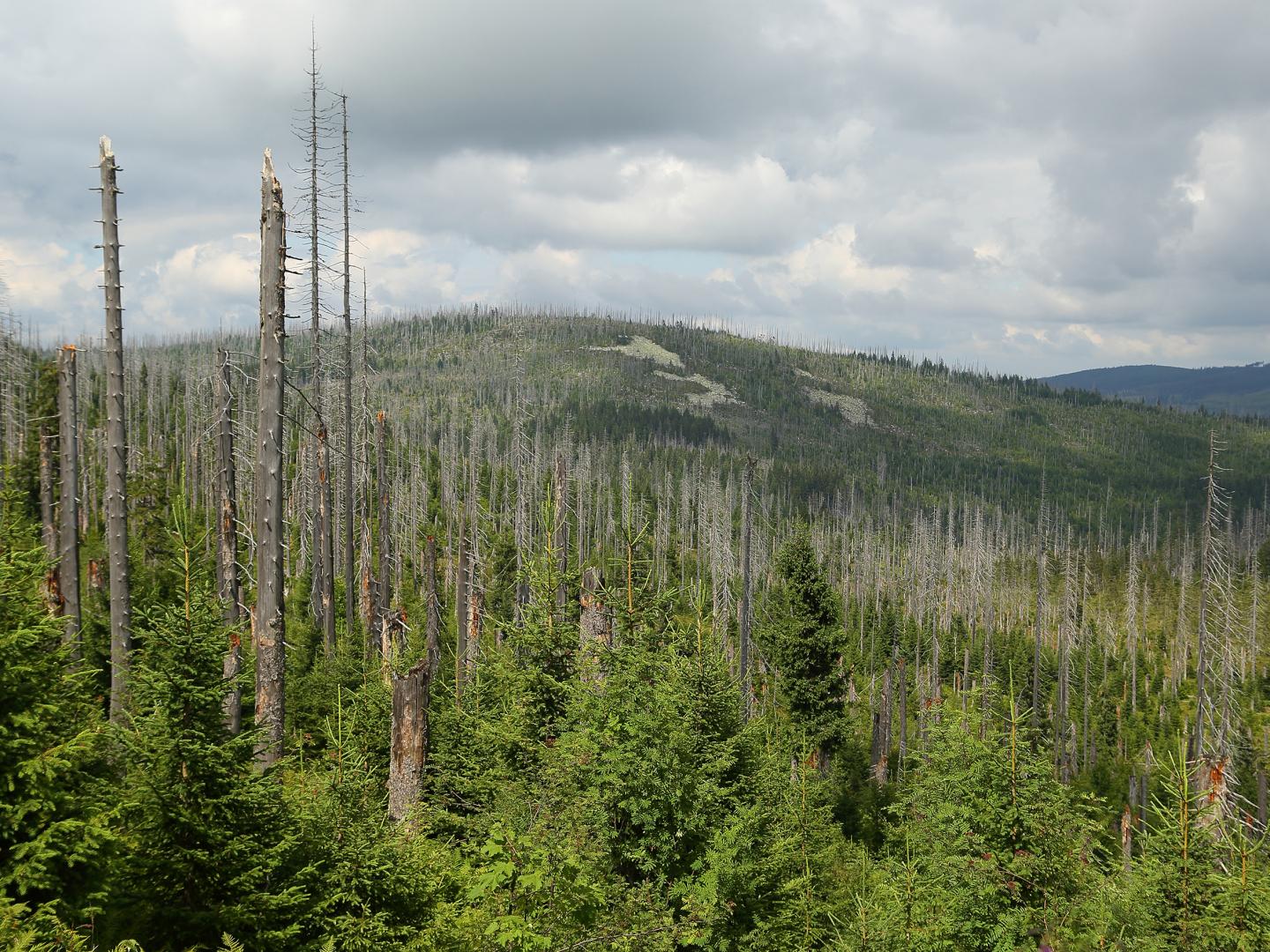
Credit: Simon Thorn / University of Wuerzburg

Bark beetles, heat, drought, storms, and fires have damaged the German forests. Those who go for a walk there often encounter dead spruces and dried beech trees. “The forests are affected in all regions and need quick help,” says the website of the German Federal Ministry of Food and Agriculture.

Clear and reforest: this is how the ministry imagines this help. Minister Julia Klöckner plans a large-scale clear-up followed by reforestation programme. At least 500 million euros are needed for the programme and subsequent maintenance.

Researchers call for a radical change

Clear-up and reforestation is not the right strategy, forest ecologists Simon Thorn, Joerg Mueller and Alexandro Leverkus from Julius-Maximilians-Universität (JMU) Wuerzburg in Bavaria, Germany, write in Science magazine. “This policy is likely to create extensive, even forest stands that remain particularly vulnerable to the impacts of future climate change,” says Simon Thorn.

Germany should therefore reconsider its strategic and financial efforts to create forests resilient to future climate change. Here a radical change is necessary: The scientists suggest not to remove dead wood and not to conduct reforestation on large scales.

Preserving dead wood

For centuries, forestry has followed a clearing and reforestation strategy. The consequences: a steady decline in biological diversity and the extinction of many fungi and insects that depend on dead wood.

According to Thorn, large-scale clear-ups following natural disturbances have negative effects on the diversity of insects which are dependent on deadwood. This collides with the goals of the government’s coalition agreement, according to which the dramatic decline of insects should be halted. Instead, public subsidies should be aimed at preserving dead wood created by disturbances.

Safeguarding open forests

Natural disturbances such as storms, bark beetle outbreaks and drought create canopy gaps, which enable the regrowth of a wide variety of native tree species. According to the scientists, this increases the resistance of a forest to extreme weather events.

In contrast, rapid reforestation leads to dense groups of trees of the same age, which are highly susceptible to weather events and pests. Subsidies for forestry should better promote a diverse tree and age structure as well as the presence of canopy gaps. This strategy would simultaneously benefit economically important tree species and preserve endangered insects.

Forest Dieback 2.0

In the 1980s there was extensive forest damage in Central Europe, mainly caused by air pollution due to industry and traffic. At that time there was talk of “Waldsterben” or “Forest Dieback”. The current catchword “Waldsterben 2.0” refers to this period. The addition “2.0” expresses that the current forest damage has other causes this time – namely climate change.

###

Media Contact
Dr. Simon Thorn
[email protected]

Original Source

https://go.uniwue.de/forest-en

Related Journal Article

http://dx.doi.org/10.1126/science.aaz3476

Tags: BiodiversityBiologyClimate ChangeEcology/EnvironmentForestryPlant Sciences
Share12Tweet8Share2ShareShareShare2

Related Posts

61 Newly Discovered Beetle Species Highlight How Much We Still Have to Learn About Biodiversity — Biology

61 Newly Discovered Beetle Species Highlight How Much We Still Have to Learn About Biodiversity

May 15, 2026
Supercomputer Simulations Uncover How Bacterial Enzyme Pumps Sodium Ions, Opening Doors to Novel Antibiotics — Biology

Supercomputer Simulations Uncover How Bacterial Enzyme Pumps Sodium Ions, Opening Doors to Novel Antibiotics

May 15, 2026

New Astrobiology Special Collection Highlights Emerging Evidence Supporting Land-Based Origins of Life

May 14, 2026

Revolutionizing Textiles: Engineered Protein Fibers Pave the Way for Sustainable, Recyclable Fabrics

May 14, 2026
Please login to join discussion

POPULAR NEWS

  • Research Indicates Potential Connection Between Prenatal Medication Exposure and Elevated Autism Risk

    843 shares
    Share 337 Tweet 211
  • New Study Reveals Plants Can Detect the Sound of Rain

    729 shares
    Share 291 Tweet 182
  • Salmonella Haem Blocks Macrophages, Boosts Infection

    62 shares
    Share 25 Tweet 16
  • Breastmilk Balances E. coli and Beneficial Bacteria in Infant Gut Microbiomes

    58 shares
    Share 23 Tweet 15

About

We bring you the latest biotechnology news from best research centers and universities around the world. Check our website.

Follow us

Recent News

Autism Subtypes Revealed Through Cross-Species Brain Mapping

Synthetic Cell Microreactor with Dual Dynamic DNA Pores

Key Drivers of Energy Policy Support in Europe

Subscribe to Blog via Email

Enter your email address to subscribe to this blog and receive notifications of new posts by email.

Join 82 other subscribers
  • Contact Us

Bioengineer.org © Copyright 2023 All Rights Reserved.

Welcome Back!

Login to your account below

Forgotten Password?

Retrieve your password

Please enter your username or email address to reset your password.

Log In
No Result
View All Result
  • Homepages
    • Home Page 1
    • Home Page 2
  • News
  • National
  • Business
  • Health
  • Lifestyle
  • Science

Bioengineer.org © Copyright 2023 All Rights Reserved.