

• HOME
  • NEWS
  • EXPLORE
    • CAREER
      • Companies
      • Jobs
    • EVENTS
    • iGEM
      • News
      • Team
    • PHOTOS
    • VIDEO
    • WIKI
  • BLOG
  • COMMUNITY
    • FACEBOOK
    • INSTAGRAM
    • TWITTER
Saturday, February 7, 2026
BIOENGINEER.ORG
No Result
View All Result
  • Login
  • HOME
  • NEWS
  • EXPLORE
    • CAREER
      • Companies
      • Jobs
        • Lecturer
        • PhD Studentship
        • Postdoc
        • Research Assistant
    • EVENTS
    • iGEM
      • News
      • Team
    • PHOTOS
    • VIDEO
    • WIKI
  • BLOG
  • COMMUNITY
    • FACEBOOK
    • INSTAGRAM
    • TWITTER
  • HOME
  • NEWS
  • EXPLORE
    • CAREER
      • Companies
      • Jobs
        • Lecturer
        • PhD Studentship
        • Postdoc
        • Research Assistant
    • EVENTS
    • iGEM
      • News
      • Team
    • PHOTOS
    • VIDEO
    • WIKI
  • BLOG
  • COMMUNITY
    • FACEBOOK
    • INSTAGRAM
    • TWITTER
No Result
View All Result
Bioengineer.org
No Result
View All Result
Home NEWS Science News Health

Predicting bad side effects

Bioengineer by Bioengineer
July 2, 2018
in Health
Reading Time: 2 mins read
0
Share on FacebookShare on TwitterShare on LinkedinShare on RedditShare on Telegram
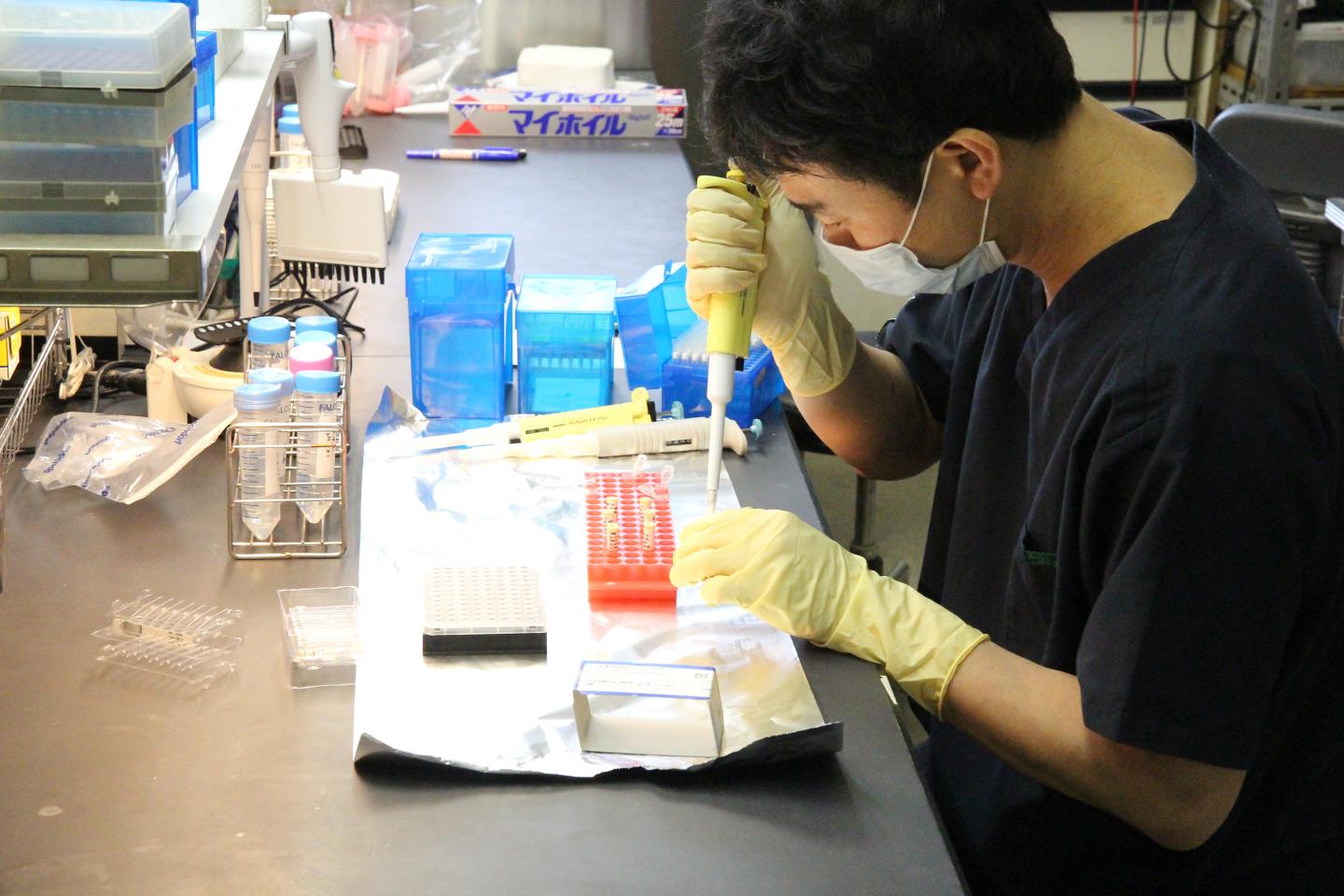
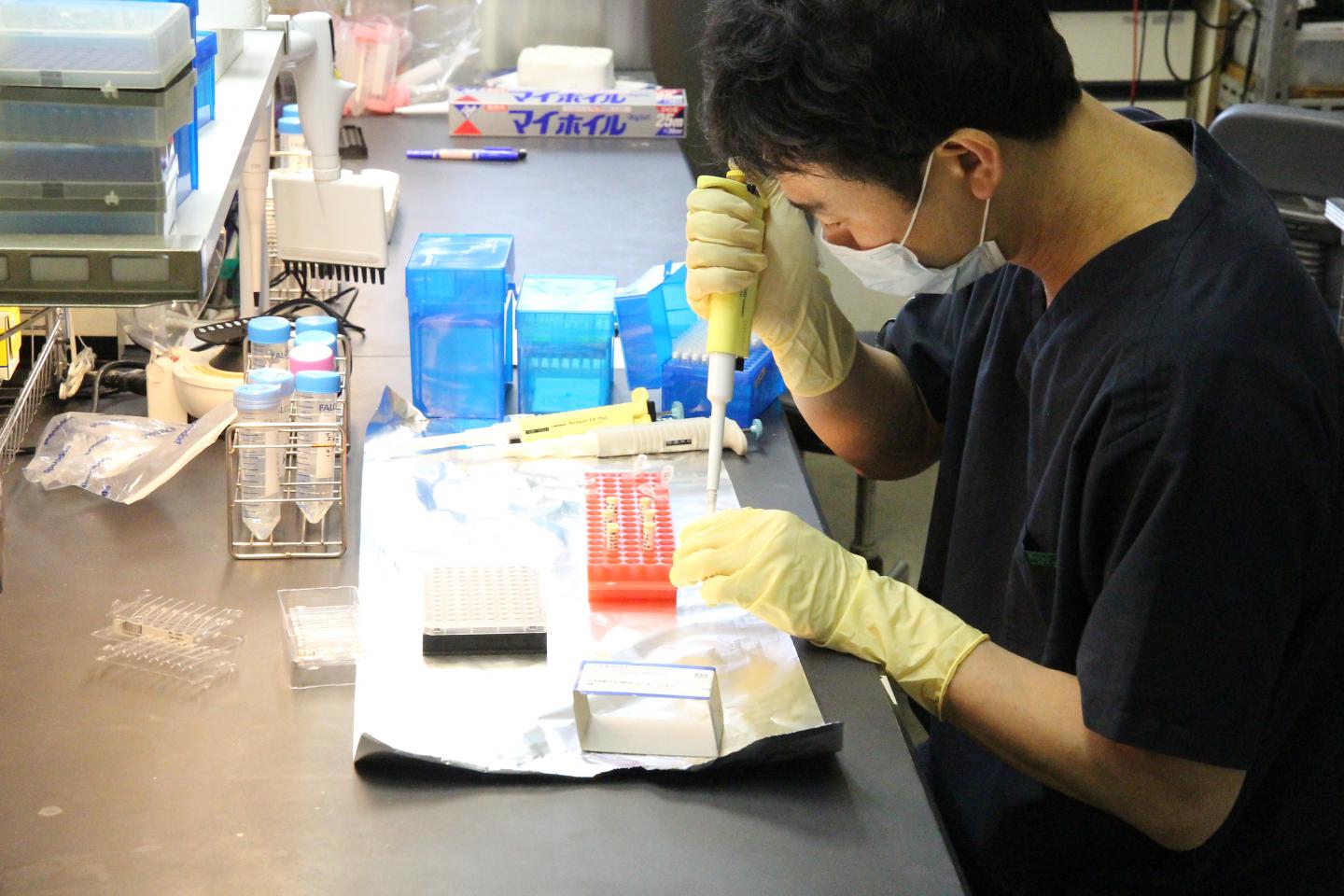
IMAGE

Credit: Tohoku University Hospital

Researchers from Japan's Tohoku University and colleagues have found that a simple DNA test can predict if East Asian patients are likely to have bad reactions to thiopurine medications.

Thiopurine drugs are prescribed to patients with inflammatory bowel disease, leukaemia and rheumatic disease to suppress abnormal activities of the immune system. However, some patients develop severe side effects to the drugs, including drops in white blood cell counts (called leukopenia) and hair loss (called alopecia). There is a higher rate of severe side effects among East Asians taking thiopurines than in Caucasians, even when taking much smaller doses.

Tohoku researchers and collaborators from more than 30 medical centres all over Japan screened the DNA of more than 2,600 patients with inflammatory bowel disease and compared the results with their reactions to thiopurines. They found it was only necessary to screen a tiny section of DNA to predict which patients had severe reactions.

Previous research had linked severe thiopurine side effects with different expressions of the gene that codes for the enzyme NUDT15. Specifically to blame were variations in codon 139, which consists of three nucleotides. Of the four possible basic genetic building blocks — adenine, cytosine, guanine, and thymine — patients with a cytosine at the first nucleotide of codon 139 were at greater risk for side effects.

For the current study, published in the Journal of Gastroenterology, the researchers screened patients' DNA to determine which versions of NUDT15 codon 139 they had and compared that against the patients' reactions to thiopurines. They also conducted several other genome-wide association studies to determine if any other genes should be tested to predict adverse reactions. They confirmed that it was only necessary to screen codon 139.

Based on these findings, the scientists worked with Medical and Biological Laboratories Co., Ltd. to develop a DNA sequencing kit for codon 139 that produces accurate results within two hours. The test kit has been approved for clinical use in Japan, and the developers hope the kit will soon be available for clinical application in other East Asia countries, such as Korea and China.

The researchers anticipate that this research and kit can help patients avoid severe side effects, and help advise doctors on appropriate medication levels for patients with different expressions of the NUDT15 gene. However, they note that further study is required to evaluate dosage recommendations.

###

Media Contact

Yoichi Kakuta
[email protected]
@TohokuUniPR

http://www.tohoku.ac.jp/en/

Original Source

https://www.tohoku.ac.jp/en/press/predicting_bad_side_effects.html http://dx.doi.org/10.1007/s00535-018-1486-7
Share12Tweet7Share2ShareShareShare1

Related Posts

Digital Health Perspectives from Baltic Sea Experts

February 7, 2026

Exploring Decision-Making in Dementia Caregivers’ Mobility

February 7, 2026

Succinate Receptor 1 Limits Blood Cell Formation, Leukemia

February 7, 2026

Palmitoylation of Tfr1 Drives Platelet Ferroptosis and Exacerbates Liver Damage in Heat Stroke

February 7, 2026
Please login to join discussion

POPULAR NEWS

  • Robotic Ureteral Reconstruction: A Novel Approach

    Robotic Ureteral Reconstruction: A Novel Approach

    82 shares
    Share 33 Tweet 21
  • Digital Privacy: Health Data Control in Incarceration

    63 shares
    Share 25 Tweet 16
  • Study Reveals Lipid Accumulation in ME/CFS Cells

    57 shares
    Share 23 Tweet 14
  • Breakthrough in RNA Research Accelerates Medical Innovations Timeline

    53 shares
    Share 21 Tweet 13

About

We bring you the latest biotechnology news from best research centers and universities around the world. Check our website.

Follow us

Recent News

Digital Health Perspectives from Baltic Sea Experts

Florida Cane Toad: Complex Spread and Selective Evolution

Exploring Decision-Making in Dementia Caregivers’ Mobility

Subscribe to Blog via Email

Enter your email address to subscribe to this blog and receive notifications of new posts by email.

Join 73 other subscribers
  • Contact Us

Bioengineer.org © Copyright 2023 All Rights Reserved.

Welcome Back!

Login to your account below

Forgotten Password?

Retrieve your password

Please enter your username or email address to reset your password.

Log In
No Result
View All Result
  • Homepages
    • Home Page 1
    • Home Page 2
  • News
  • National
  • Business
  • Health
  • Lifestyle
  • Science

Bioengineer.org © Copyright 2023 All Rights Reserved.
