


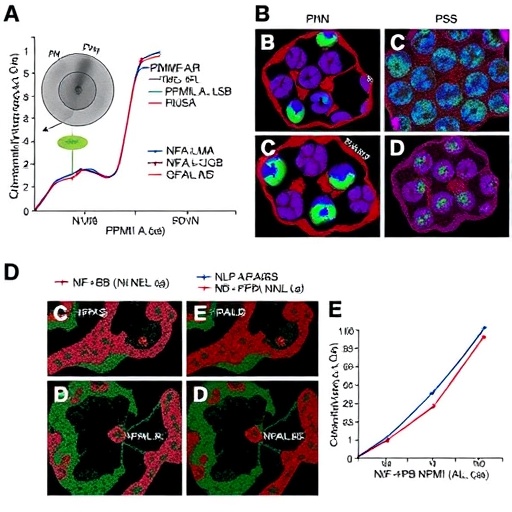
Recent advancements in the understanding of diabetic peripheral neuropathy (DPN) have unveiled critical molecular pathways that exacerbate the condition, highlighting the intricate interplay between cellular elements such as Schwann cells and dorsal root ganglion (DRG) neurons. Researchers have pointed to persistent dysfunction in the PPM1A protein as a significant contributor to the worsening of DPN pathology, providing new avenues for therapeutic intervention and a deeper understanding of this debilitating disease.
Diabetic peripheral neuropathy is a common complication of diabetes, characterized by nerve damage resulting from prolonged high blood sugar levels. Affected individuals often experience symptoms that range from pain and tingling to severe numbness and motor dysfunction. The complexity and variability of the symptoms can complicate treatment options, emphasizing the need for targeted research into the underlying biological mechanisms that drive DPN.
The role of PPM1A, a protein phosphatase, has been under intense study, particularly in its relationship with inflammatory cytokines. Inhibiting PPM1A has been shown to curtail the inflammation that aggravates neuropathy. This dysfunction appears to trigger a cascade of molecular events involving the NF-κB/NLRP3/p-tau signaling axis, which has emerged as a pivotal player in the progression of neuroinflammation. The activation of this pathway leads to the overstimulation of Schwann cells and DRG neurons, ultimately resulting in neurodegeneration and the associated sensory loss.
Moreover, the intricate communication between Schwann cells—responsible for the myelination of peripheral nerves—and DRG neurons is critical for maintaining sensory function and signal transduction. Under normal circumstances, Schwann cells support DRG neurons by providing structural and metabolic support. However, the dysregulation of PPM1A disrupts this relationship, further enhancing the inflammatory response and cytotoxic effects associated with DPN.
Notably, the NF-κB pathway plays a dual role in the immune response and neuronal health. On one hand, NF-κB activation promotes the transcription of pro-inflammatory cytokines, which serve as signalers of damage. Conversely, excessive NF-κB activity can lead to neuronal apoptosis, contributing to nerve degeneration associated with diabetes. This delicate balance emphasizes the necessity for a deeper understanding of how PPM1A dysfunction may tip the scales towards chronic inflammation and neuronal death.
In addition to this pathway, the NLRP3 inflammasome has gained recognition for its involvement in DPN pathology. This protein complex is activated in response to cellular stress and is essential in mediating inflammatory responses. Studies have shown that hyperactivation of NLRP3 is linked to the progression of DPN. By exacerbating inflammatory processes and inducing cell death, the NLRP3 inflammasome acts synergistically with NF-κB, amplifying the neurodestructive effects of elevated blood glucose levels.
At the cellular level, tau protein phosphorylation has also emerged as a topic of significant interest. When tau is hyperphosphorylated, it loses its ability to stabilize microtubules, impairing neuronal transport and function. This phenomenon can further complicate the DPN landscape, as impaired axonal transport leads to additional neuronal damage. The interaction between NLRP3 activation and tau pathology provides a compelling area for research, as targeting one of these processes may have repercussions on the other.
The therapeutic implications of these findings are substantial. By elucidating the potential of PPM1A as a therapeutic target, researchers hope to offer new treatments that could reverse or halt the progression of DPN. This could be particularly life-changing for individuals with diabetes, who currently face limited options for managing their symptoms effectively. The identification of molecular targets allows for the development of precision medicine strategies, focusing on individual biological variations.
Emerging therapies that modulate the inflammatory response, such as small molecule inhibitors or biological agents aimed at the NF-κB/NLRP3 signaling pathway, could help mitigate the symptoms of DPN. Furthermore, approaches that enhance the protective effects of Schwann cells and promote the health of DRG neurons may pave the way for novel intervention strategies.
In conclusion, the dysfunction of PPM1A represents a critical link in the pathophysiology of DPN. By advancing our understanding of the NF-κB/NLRP3/p-tau signaling axis and the crosstalk between Schwann cells and DRG neurons, researchers have opened new doors for innovative treatment strategies. As we continue to explore the molecular underpinnings of diabetic neuropathy, the potential for developing effective interventions becomes increasingly promising.
Addressing diabetic peripheral neuropathy is not just a question of managing symptoms but also involves a comprehensive approach that includes understanding the pathophysiological changes at the cellular and molecular levels. By focusing on the underlying mechanisms, we can hope to enhance the quality of life for countless individuals affected by this condition, steering medical research toward a future where diabetic neuropathy can be effectively prevented and treated.
In summary, the investigation into PPM1A and its impact on DPN signifies a leap forward in understanding the complexities of this condition and provides crucial insights into potential therapeutic applications. The implications for public health and patient care could be transformative, offering hope to those affected by diabetes and its burdensome complications.
The ongoing research in this area underscores the importance of interdisciplinary collaboration, merging insights from molecular biology, neurology, and pharmacology to tackle the multifaceted challenges posed by diabetic peripheral neuropathy. As the scientific community continues to uncover the layers of complexity behind DPN, the potential for groundbreaking discoveries remains vast, instilling optimism for innovative therapeutic strategies that may alter the course of the disease.
Through the sustained pursuit of knowledge regarding PPM1A dysregulation and its implications in DPN, we can pave the way for actionable solutions in the treatment of diabetic neuropathy. This research not only offers the promise of new drug development but also fosters a deeper appreciation of the intricate cellular interactions that sustain nerve health. As these avenues are explored, the path toward resolving one of diabetes’ most challenging complications becomes clearer, potentially heralding a new era in neurobiology and diabetes care.
Subject of Research: Diabetic Peripheral Neuropathy and PPM1A Dysfunction
Article Title: PPM1A dysfunction aggravates DPN pathology through NF-κB/NLRP3/p-tau axis involving Schwann cell/DRG neuron crosstalk.
Article References:
Song, N., Ling, Y., Zhou, F. et al. PPM1A dysfunction aggravates DPN pathology through NF-κB/NLRP3/p-tau axis involving Schwann cell/DRG neuron crosstalk.
J Transl Med (2026). https://doi.org/10.1186/s12967-026-07678-1
Image Credits: AI Generated
DOI: 10.1186/s12967-026-07678-1
Keywords: Diabetic peripheral neuropathy, PPM1A dysfunction, NF-κB, NLRP3, p-tau, Schwann cells, DRG neurons
Tags: cellular interactions in diabetic nerve damagechronic inflammation in diabetes complicationsdiabetic peripheral neuropathy mechanismsDPN symptom variability and treatmentinflammation and nerve damageneuroinflammatory pathways in neuropathyNF-kB signaling in DPNNLRP3 pathway in neuroinflammationPPM1A dysfunction in diabetic neuropathyprotein phosphatase PPM1A studiesSchwann cells role in diabetic neuropathytherapeutic targets for DPN



