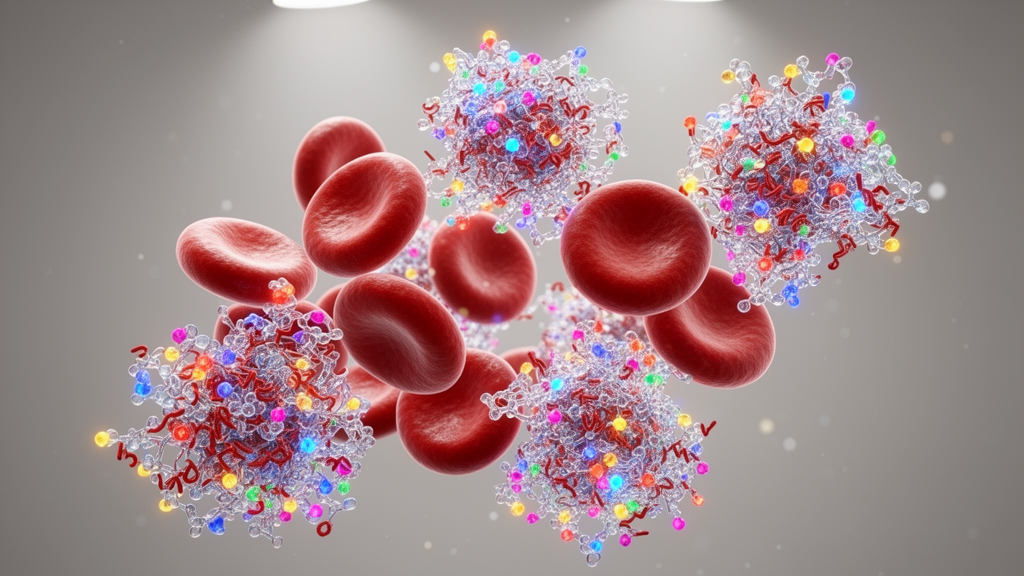
A proteogenomic analysis of the plasma proteome in patients with sickle cell disease has identified genetic variants associated with circulating protein levels, providing an opportunity to prioritize new therapeutic targets. Sickle cell disease is a blood disorder caused by mutations in the β-globin gene that affects more than seven million individuals worldwide, yet there remain few therapeutic options available to treat patients. To address this clinical need, researchers demonstrated how combining human genetics and high-throughput proteomics can help identify novel drug targets.
In the study, investigators measured the levels of 5,411 plasma proteins and tested their associations with common genetic variation in 343 patients with sickle cell disease. Following conditional analyses, the team identified 560 protein quantitative trait loci, or pQTL. Among these detected loci, 58 signals, representing approximately 10 percent of the total, were novel findings that expand the current understanding of protein level variation in the disease.
The research revealed that many of these pQTL are not specific to patients with sickle cell disease. Instead, multiple loci also associate with clinically relevant traits, including hemoglobin concentration and triglyceride levels, in non-SCD African Americans evaluated through the Million Veteran Program.
When comparing cohorts, the effect sizes of the pQTL appeared largely concordant between individuals with sickle cell disease and non-SCD individuals. Nonetheless, the authors detected clear examples of heterogeneity at specific loci, such as APOL1 and haptoglobin, suggesting an interaction between the circulating plasma proteome and the underlying sickle cell disease genotype.
Finally, the researchers combined their pQTL data with genome-wide association study results for fetal hemoglobin in a Mendelian randomization analysis. This analytical pipeline prioritized four proteins—ENPP5, LBP, PTX3, and ZP3—that may increase fetal hemoglobin production. By combining high-throughput DNA genotyping and plasma proteome profiling, the investigation confirms known variants while identifying new genetic associations informed by human genetics.
Subject of Research: Proteogenomic analysis of plasma proteins and therapeutic targets in sickle cell disease
Article Title: Proteogenomic analysis of 5,411 plasma proteins in sickle cell disease patients
Article References: Groza, C., Chignon, A., Lo, K. S., Bellegarde, V., Bartolucci, P., & Lettre, G. (2026). Proteogenomic analysis of 5,411 plasma proteins in sickle cell disease patients. PLOS Genetics, 22(11), e1012377. https://doi.org/10.1371/journal.pgen.1012377
Image Credits: AI Generated
DOI: 10.1371/journal.pgen.1012377
Keywords: sickle cell disease, plasma proteome, proteogenomics, protein quantitative trait loci, pQTL, fetal hemoglobin, HbF, ENPP5, LBP, PTX3, ZP3, APOL1, haptoglobin, Million Veteran Program, Mendelian randomization, β-globin gene
News Source: Drew Townsend. (November 16, 2026). Plasma Proteogenomic Study Identifies Potential Drug Targets for Sickle Cell Disease. Scienmag.