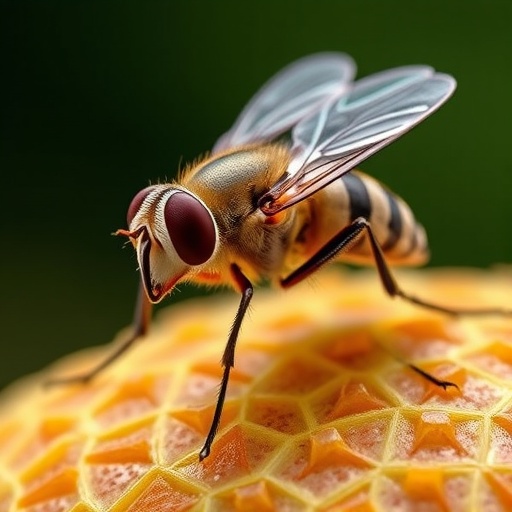
In a finding that reshapes how scientists think about the biological costs of radiation exposure, a new study has revealed that fruit flies carrying mutations in genome-defense genes can actually live longer when their genomes are destabilized by jumping genes and chronic low-dose irradiation. The research, published in the journal Biogerontology, challenges the intuitive assumption that more genetic damage must always mean a shorter life, and instead points to a complicated web of antagonistic and synergistic interactions between the systems that silence transposable elements and the stress responses triggered by radiation.
The study, conducted by Elena Yushkova of the Institute of Biology of the Komi Science Center at the Ural Branch of the Russian Academy of Sciences, examined how mutations in two members of the PIWI subfamily of genes, piwi and aub, influence the lifespan of Drosophila melanogaster under conditions of genome instability caused by hobo transposons and chronic low-intensity irradiation at a dose of 20 centigray. PIWI proteins, working together with small Piwi-interacting RNAs known as piRNAs, form the cell’s primary defense against transposable elements, the mobile DNA sequences that make up a substantial fraction of most animal genomes and that can cause mutations when they jump to new locations. Disrupting this defense system has long been associated with genome instability, fertility defects, and accelerated aging.
Yushkova’s experiments showed that dysfunction of piwi and aub modulates the activity of hobo transposons in a measurable way. When these genome-defense genes were impaired, the frequency of hobo excisions and transpositions increased, and the recombinogenic activity of the elements rose as well, a result confirmed by both phenotypic assays and PCR-based molecular analysis. In practical terms, weakening the piRNA pathway allowed the hobo elements to move more freely within the genome, creating exactly the kind of genomic turbulence that theoretical models of aging have linked to tissue deterioration over time. The hobo element itself is a classic DNA transposon of Drosophila, famous for its role in hybrid dysgenesis, and it exists in laboratory strains either as full-size autonomous copies or as internally deleted, defective versions that can still influence genome behavior.
A central component of the work involved measuring DNA damage directly. Using the comet assay, a single-cell electrophoresis technique that quantifies DNA strand breaks by measuring the migration of damaged DNA out of the cell nucleus, the study found that the mere presence of hobo transposons in the genome elevated the spontaneous level of DNA fragmentation in ovarian cells. Chronic low-intensity irradiation amplified this effect, producing increased DNA damage in both somatic and germline cells across most of the strains examined. This pattern aligns with established radiobiology: even low doses of ionizing radiation generate oxidative stress and DNA lesions, and the ovarian germline is particularly vulnerable because transposable element silencing there is essential for the genome stability of the next generation.
Yet the most striking result of the study runs directly counter to what this damage data would predict. Despite heightened genetic instability and, in some genotypes, reduced fertility, the combined presence of piwi or aub mutations and hobo transposons paradoxically increased lifespan, both under normal control conditions and after irradiation. In other words, the fly genotypes that accumulated the most measurable molecular damage were frequently the ones that lived longest. This decoupling of DNA damage from lifespan is the sort of result that forces biogerontologists to reconsider which molecular events are truly causal in aging and which are merely correlates.
To dissect this paradox, Yushkova performed a formal analysis of the interactions between the genetic factors. The analysis revealed that the effects of PIWI-subfamily mutations and hobo transposons on lifespan were predominantly antagonistic, meaning that the combined effect of the two factors was less than the sum of their individual effects, as if each partially canceled the other’s impact on longevity. In one case, the interaction was synergistic, with the two factors acting together to produce an effect greater than either alone. Which pattern emerged depended on the specific type of mutation, the structure of the hobo elements present in the genome, whether full-size or defective copies, the sex of the flies, and whether the animals were irradiated. This context dependence is a recurring theme in modern genetics, but it is rarely demonstrated so clearly for a trait as integrative as lifespan.
The findings carry significant weight for a long-standing hypothesis in biogerontology: that transposable elements are primary drivers of aging. According to this view, the gradual relaxation of transposon silencing with age allows these elements to become active in somatic tissues, causing genome disintegration that manifests as the functional decline we recognize as aging. The new study complicates this picture. If transposon activity and defective transposon silencing can, under certain genetic and environmental conditions, extend rather than shorten life, then the relationship between transposons and aging cannot be a simple one-directional causal chain. Instead, transposon-derived DNA damage may activate stress-response and repair pathways that confer net survival benefits, a phenomenon related to hormesis, the process by which mild stress triggers protective adaptations that improve long-term outcomes.
Radiation biology has grappled with hormetic effects at low doses for decades, and the dose used in this study, 20 centigray delivered chronically, sits squarely in the low-dose range where adaptive responses have been reported in Drosophila and other models. Previous work has shown that low-dose-rate irradiation can induce hormesis, hypersensitivity, or adaptive response depending on the genetic background of the strain, and that DNA repair genes participate in these responses in a differential and conditional manner. The new results add an important genetic dimension to this field by showing that the state of the piRNA pathway, a system not traditionally considered part of the DNA damage response, can fundamentally alter how an organism’s lifespan responds to chronic irradiation.
The study also has implications for understanding fertility and its relationship to longevity. Some genotypes in the experiment showed reduced fertility alongside increased lifespan, echoing the classic evolutionary trade-off between reproduction and survival. PIWI proteins are essential for germline development and oogenesis, and their disruption is known to impair fertility in multiple organisms. That these same disruptions, in combination with transposon burden, could extend lifespan while compromising reproduction suggests that resources or signaling pathways are being reallocated in ways that favor somatic persistence. The sex-specific effects observed in the study further underscore that these trade-offs are shaped differently in males and females, consistent with the known sex-biased roles of the piRNA pathway in gametogenesis.
For human health, the research should be read as a conceptual advance rather than a direct translational result. Humans do not carry hobo transposons, and the PIWI-piRNA system, while conserved in its germline functions, operates in a different genomic context in mammals. Nevertheless, low-dose ionizing radiation is an unavoidable feature of modern life, arising from medical diagnostics, air travel, occupational exposure, and environmental contamination at sites such as Chernobyl, where long-term studies have documented transgenerational radiobiological effects in natural Drosophila populations. Understanding which genetic backgrounds are vulnerable, resilient, or even paradoxically protected under chronic low-dose exposure is essential for refining radiation protection standards, and this study demonstrates that the epigenetic defense against transposons belongs on the list of factors that matter.
The analytical framework used in the study also contributes methodologically. By explicitly testing for interaction effects, antagonistic and synergistic, between genetic factors affecting lifespan, the work aligns with a growing appreciation in geroscience that longevity genes rarely act in isolation. Curated databases of synergistic and antagonistic interactions among longevity-associated genes have shown that the net effect of combining two longevity interventions is often unpredictable from their individual effects. Yushkova’s data provide a concrete example from the transposon field, showing that an organism’s lifespan reflects the algebra of interacting systems, transposon silencing, DNA repair, stress responses, and reproduction, rather than the simple accumulation of damage.
Taken together, the results demonstrate a complex interplay between the systems controlling transpositional activity and the stress-induced processes that determine key viability parameters. The work suggests that the piRNA pathway is not merely a genome-defense mechanism whose failure hastens death, but a modulator of the aging process whose consequences depend on the entire genetic and environmental context. As researchers continue to search for targets for geroprotective interventions, the lesson from these long-lived, genetically unstable flies is clear: in the biology of aging, the relationships between damage, defense, and longevity are anything but straightforward.
Subject of Research: Effects of PIWI subfamily gene mutations (piwi and aub) and hobo transposon activity on the lifespan, fertility, and DNA damage in Drosophila melanogaster under chronic low-intensity irradiation
Subject of Research: Medicine
Article Title: Genetic interactions between PIWI subfamily genes and hobo transposons modulate Drosophila melanogaster lifespan under chronic low-intensity irradiation
Article References: Yushkova, E. (2026). Genetic interactions between PIWI subfamily genes and hobo transposons modulate Drosophila melanogaster lifespan under chronic low-intensity irradiation. Biogerontology, 27(4), Article 136. https://doi.org/10.1007/s10522-026-10486-1
Image Credits: AI Generated
DOI: 10.1007/s10522-026-10486-1
Keywords: PIWI genes, piRNA pathway, hobo transposons, Drosophila melanogaster, lifespan, chronic low-intensity irradiation, DNA damage, comet assay, genome instability, transposable elements, fertility, antagonistic genetic interactions
Cite Scienmag News
APA MLA Chicago
Juliet Wilcox. (September 9, 2026). PIWI genes and hobo transposons tune fly lifespan under chronic low-dose radiation. Scienmag. https://scienmag.com/piwi-genes-and-hobo-transposons-tune-fly-lifespan-under-chronic-low-dose-radiation/
Juliet Wilcox. “PIWI genes and hobo transposons tune fly lifespan under chronic low-dose radiation.” Scienmag, 9 September 2026, https://scienmag.com/piwi-genes-and-hobo-transposons-tune-fly-lifespan-under-chronic-low-dose-radiation/. Accessed 9 September 2026.
Juliet Wilcox. “PIWI genes and hobo transposons tune fly lifespan under chronic low-dose radiation.” Scienmag. September 9, 2026. https://scienmag.com/piwi-genes-and-hobo-transposons-tune-fly-lifespan-under-chronic-low-dose-radiation/
Copy citation Download RIS
Tags: biogerontology insights into radiation and agingchronic radiation and genetic mutationschronic radiation exposure and genetic mutationDrosophila lifespan and DNA damageDrosophila model of genome instability and longevityeffects of low-dose irradiation ongenetic mutations extending fly lifespangenetic mutations extending lifespangenome destabilization and longevityhobo transposons and genome instabilityimpact of genome destabilization on aginginteractions between stress response and transposable elementsinterplay between transposable elements and stress responselong-term effects of low-dose radiation on genome stabilitylow-dose radiation effects on fruit fly lifespanpiRNA pathway in genome defensePIWI genes and transposable element suppression in fruit fly lifespanPIWI genes in agingPiwi-interacting RNAs in genome defenserole of hobo transposons in agingrole of transposons in agingtransposable elements and lifespan regulation