• HOME
  • NEWS
  • EXPLORE
    • CAREER
      • Companies
      • Jobs
    • EVENTS
    • iGEM
      • News
      • Team
    • PHOTOS
    • VIDEO
    • WIKI
  • BLOG
  • COMMUNITY
    • FACEBOOK
    • INSTAGRAM
    • TWITTER
Monday, October 5, 2026
BIOENGINEER.ORG
No Result
View All Result
  • Login
  • HOME
  • NEWS
  • EXPLORE
    • CAREER
      • Companies
      • Jobs
        • Lecturer
        • PhD Studentship
        • Postdoc
        • Research Assistant
    • EVENTS
    • iGEM
      • News
      • Team
    • PHOTOS
    • VIDEO
    • WIKI
  • BLOG
  • COMMUNITY
    • FACEBOOK
    • INSTAGRAM
    • TWITTER
  • HOME
  • NEWS
  • EXPLORE
    • CAREER
      • Companies
      • Jobs
        • Lecturer
        • PhD Studentship
        • Postdoc
        • Research Assistant
    • EVENTS
    • iGEM
      • News
      • Team
    • PHOTOS
    • VIDEO
    • WIKI
  • BLOG
  • COMMUNITY
    • FACEBOOK
    • INSTAGRAM
    • TWITTER
No Result
View All Result
Bioengineer.org
No Result
View All Result
Home NEWS Science News Chemistry

Pitt engineer Sangyeop Lee receives $500K NSF CAREER Award

Bioengineer by Bioengineer
December 4, 2019
in Chemistry
Reading Time: 2 mins read
0
IMAGE
Share on FacebookShare on TwitterShare on LinkedinShare on RedditShare on Telegram

Lee will use machine learning to improve energy performance of semiconductors and insulators
IMAGE

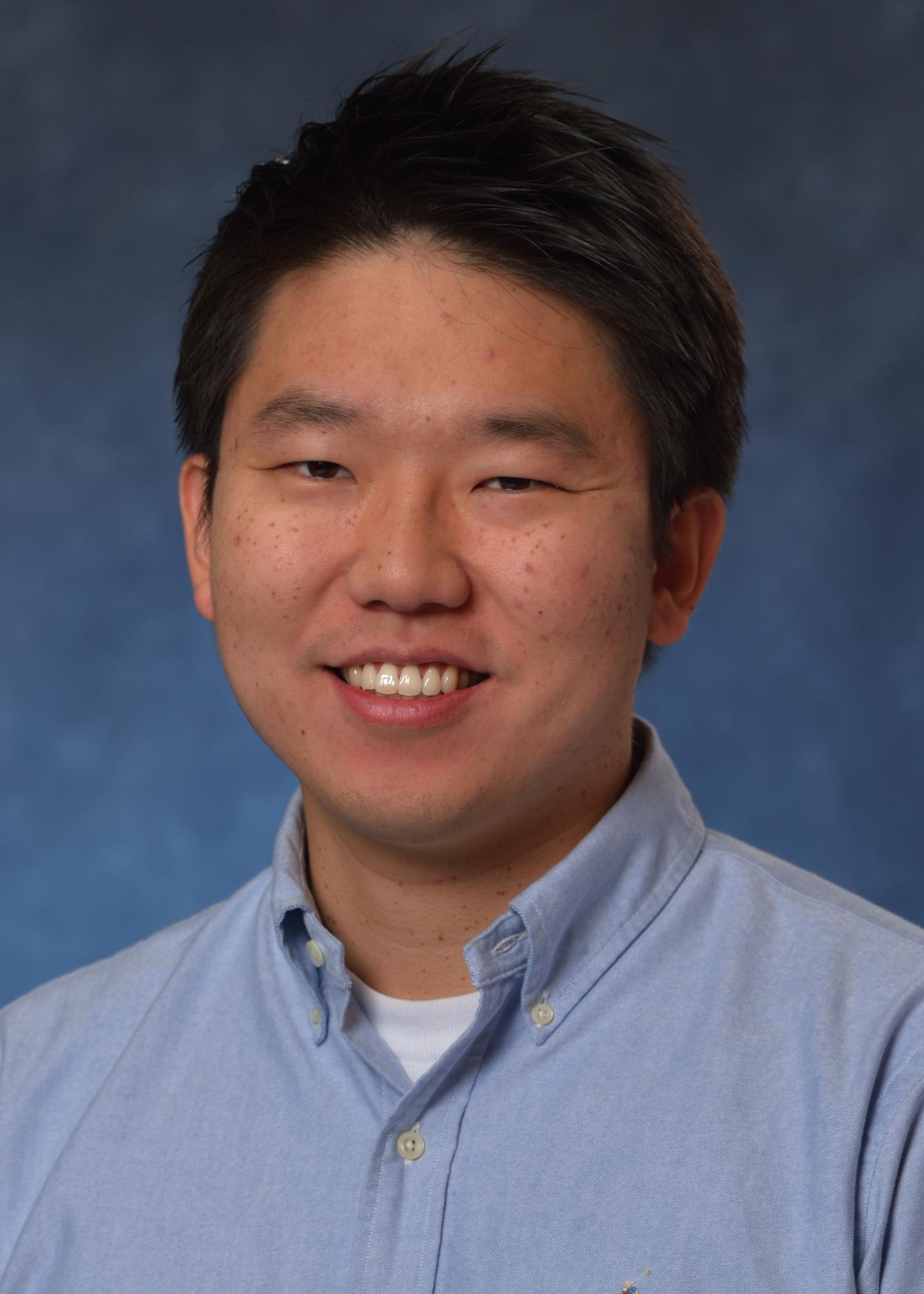
Credit: University of Pittsburgh Swanson School of Engineering


PITTSBURGH (Dec. 4, 2019) — Developing materials with ultrahigh or ultralow thermal conductivity along a certain direction can enable new energy storage and conversion devices. However, grain boundaries – two-dimensional defects in crystal structures – exist in polycrystalline material and significantly affect thermal transport. Addressing the defects is currently not efficient – observing and experimenting with grain boundaries when creating materials can prove to be a lengthy and costly process. However, machine learning may provide a more sustainable alternative.

Sangyeop Lee, PhD, assistant professor of mechanical engineering and materials science, received a $500,000 CAREER Award from the National Science Foundation (NSF) for research that would utilize machine learning to model thermal transport in polycrystalline materials. The research seeks to create a computer model that can predict the conductive properties of a material in real life, providing guidance to engineer defects for desired thermal properties.

“Thermal transport across grain boundaries is not well understood. Studying heat as it transfers across a material at the atomistic scale means observing how atoms vibrate,” explains Lee. “In real materials, atoms are disordered and it has been extremely challenging to predict how atoms vibrate in disordered structures from first-principles. However, machine learning can help us gain a quantitative understanding of thermal transport that can help us predict how a material will behave.”

The improved understanding of thermal transfer across grain boundaries will enable engineers to create materials that convert heat to electricity more efficiently, for example, or better manage heat in electronic devices.

The project, titled “Machine Learning Enabled Study of Thermal Transport in Polycrystalline Materials from First Principles,” will begin on July 1, 2020.

###

Media Contact
Maggie Pavlick
[email protected]
412-383-0449

Original Source

https://www.engineering.pitt.edu/News/2019/Sangyeop-Lee-CAREER-Award/

Tags: Electrical Engineering/ElectronicsMechanical EngineeringResearch/DevelopmentSuperconductors/SemiconductorsTechnology/Engineering/Computer Science
Share12Tweet8Share2ShareShareShare2

Related Posts

Nanoclay-Boosted Polymer Additive Slashes Waxy Crude Oil Pour Points by 30 Degrees

Nanoclay-Boosted Polymer Additive Slashes Waxy Crude Oil Pour Points by 30 Degrees

October 5, 2026
Amino Acid Nanoparticles Turn Indigo Dye Into Biocompatible Memory Devices

Amino Acid Nanoparticles Turn Indigo Dye Into Biocompatible Memory Devices

October 5, 2026

Electricity Meets Boron: Chemists Forge Elusive Carbon-Carbon Bonds from Simple Acids

October 5, 2026

AI Meets the Fab: Fraunhofer IAF Brings Intelligent Chip Design and Sovereign III-V Pilot Lines to Stuttgart

October 5, 2026
Please login to join discussion

POPULAR NEWS

  • Alloys That Shrink Their Own Grains: New PIX Mechanism Refines Metals With Heat Alone

    Alloys That Shrink Their Own Grains: New PIX Mechanism Refines Metals With Heat Alone

    29 shares
    Share 12 Tweet 7
  • Endurance Exercise Reshapes the Liver in Males and Females Through Distinct Molecular Routes

    29 shares
    Share 12 Tweet 7
  • Single Transcription Factor PU.1 Rapidly Converts Fibroblasts into Macrophage-Lineage Cells

    29 shares
    Share 12 Tweet 7
  • New Scale Measures How Ready Nurse Educators Really Are for the AI Era

    29 shares
    Share 12 Tweet 7

About

We bring you the latest biotechnology news from best research centers and universities around the world. Check our website.

Follow us

Recent News

Alloys That Shrink Their Own Grains: New PIX Mechanism Refines Metals With Heat Alone

Endurance Exercise Reshapes the Liver in Males and Females Through Distinct Molecular Routes

Single Transcription Factor PU.1 Rapidly Converts Fibroblasts into Macrophage-Lineage Cells

Subscribe to Blog via Email

Success! An email was just sent to confirm your subscription. Please find the email now and click 'Confirm' to start subscribing.

Join 85 other subscribers
  • Contact Us

Bioengineer.org © Copyright 2023 All Rights Reserved.

Welcome Back!

Login to your account below

Forgotten Password?

Retrieve your password

Please enter your username or email address to reset your password.

Log In
No Result
View All Result
  • Homepages
    • Home Page 1
    • Home Page 2
  • News
  • National
  • Business
  • Health
  • Lifestyle
  • Science

Bioengineer.org © Copyright 2023 All Rights Reserved.