The Pew Charitable Trusts have announced the latest cohort of 21 pioneering researchers selected for the prestigious Pew Scholars Program in the Biomedical Sciences. These early-career scientists will receive four years of critical funding to pursue ambitious and innovative research that has the potential to reshape our understanding of human health and disease. Over the past four decades, the Pew Scholars Program has served as a crucible for transformative biomedical research, supporting more than 1,000 scientists whose work has pushed the boundaries of medicine and biology.
The newly minted scholars represent a vibrant array of disciplines, united by their commitment to illuminating complex biological processes and addressing pressing health challenges. Their research embraces cutting-edge technologies, from artificial intelligence to molecular engineering, and spans diverse biological systems—from neural circuits to microbial communities. This year’s selections reflect the dynamic pace of biomedical discovery and underscore the necessity for innovative approaches to combat diseases that threaten global health.
Among the scholars, several projects stand out for their exploration of fundamental biological mechanisms through the lens of novel technological tools. Dr. Corey Allard of Harvard Medical School, for example, investigates a fascinating evolutionary phenomenon where certain sea slug species “steal” subcellular structures from their prey to acquire new capabilities. This work integrates principles of cellular biology and evolutionary dynamics, shedding light on cellular plasticity and potential applications in synthetic biology.
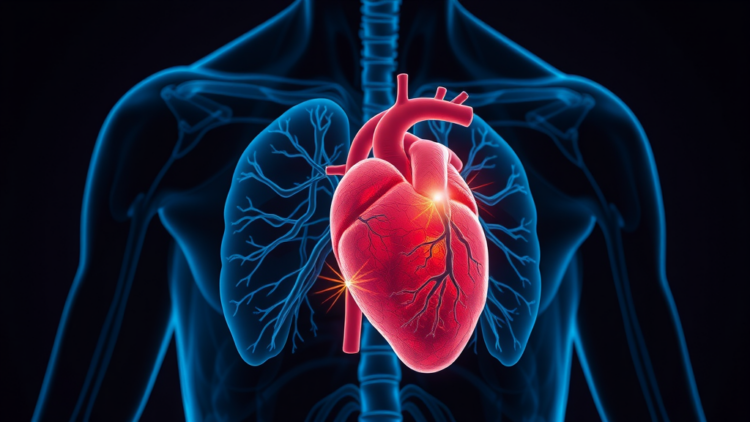
Heart-brain-immune system interactions take center stage in Dr. Vineet Augustine’s research at the University of California, San Diego. By using advanced imaging and molecular analysis, Dr. Augustine aims to elucidate the signaling pathways that orchestrate immune responses following myocardial infarction. Understanding how cardiac injury communicates with neural and immune components could unlock new therapeutic strategies for mitigating post-heart attack complications.
The auditory system’s remarkable sensitivity and precision are the focus of Dr. Navid Bavi at UCLA, who studies sensory membrane proteins in specialized cochlear cells. These proteins enhance sound detection, and deciphering their structure-function relationships promises to deepen comprehension of auditory processing and lead to improved treatments for hearing impairments.
The spatial folding of RNA molecules into intricate three-dimensional shapes is central to Dr. Steve L. Bonilla’s research at The Rockefeller University. His work leverages computational modeling and biochemical assays to unravel how RNA structures coordinate complex regulatory functions. Insights from these studies could revolutionize our understanding of gene expression control and inform RNA-based therapeutic development.
Retinal health and neuroprotection are addressed by Dr. Gianni Castiglione at Vanderbilt University. His investigations center on molecular systems that shield retinal cells from degenerative damage, with implications for combating blindness caused by conditions such as age-related macular degeneration. Through molecular biology and genetic tools, Dr. Castiglione’s work elucidates cellular resilience mechanisms in ocular tissues.
Dr. Andrew Flyak of Cornell University is dedicated to vaccine design against hepatitis C virus (HCV), utilizing structural immunology to map viral epitopes and engineer immunogens capable of eliciting potent neutralizing antibodies. His work harnesses protein engineering and high-resolution microscopy to accelerate the development of effective HCV vaccines, addressing a critical need in infectious disease prevention.
Innovative pathways of selective protein degradation form the crux of Dr. Xin Gu’s research at Dana-Farber Cancer Institute and Harvard Medical School. By characterizing a newly discovered cellular mechanism that targets regulatory proteins for destruction, this project may open avenues to manipulate gene expression and combat diseases with aberrant protein activity, including cancers.
In an intriguing study of neurodegenerative resilience, Dr. Osama Harraz at the University of Vermont investigates molecular mechanisms that guard naked mole rats against neurodegeneration. These animals exhibit extraordinary longevity and disease resistance, providing a model to uncover novel neuroprotective strategies relevant to human health.
Liver injury and regeneration are the focus of Dr. Whitney Henry’s research at MIT, particularly how ferroptosis—a form of stress-induced programmed cell death driven by iron-dependent lipid peroxidation—affects tissue damage and healing. Dr. Henry’s work may reveal therapeutic targets to modulate ferroptosis in liver diseases.
Astrocyte-to-neuron conversion for brain repair is a bold frontier explored by Dr. Thanh Hoang at the University of Michigan. By investigating molecular triggers that enable support cells in the brain to transform into functional neurons, this research could revolutionize regenerative medicine approaches for neurodegenerative and traumatic brain disorders.
Cancer immunotherapy is being innovatively pursued by Dr. Magnus Hoffmann at Gladstone Institutes, who aims to develop vaccines that coax tumor cells into eliciting their own immune-mediated destruction. This approach leverages the tumor’s biology to break immune tolerance and facilitate cancer eradication, using molecular and cellular immunology techniques.
The molecular intricacies of bacterial cell envelope assembly, vital for microbial survival and pathogenicity, are the subject of Dr. Katherine Hummels’ research at the University of Georgia. By dissecting these molecular pathways, her work contributes to the development of new antimicrobial strategies amid growing antibiotic resistance.
Together, these groundbreaking projects represent a new wave of biomedical inquiry propelled by interdisciplinary collaboration, technological sophistication, and a profound dedication to improving human health. Supported by the Pew Scholars Program, these scientists exemplify the innovative spirit needed to navigate the complexities of biology and medicine in the 21st century.
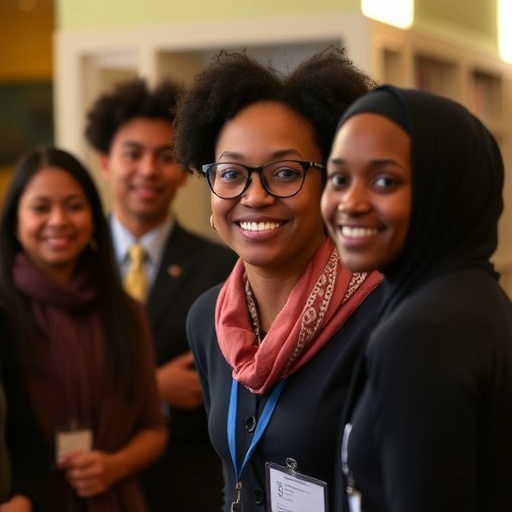
The commitment to collaborative excellence is further bolstered by annual gatherings of Pew scholars, fostering a vibrant scientific community that spans institutions and specialties. This network accelerates the translation of discoveries from bench to bedside, enhancing the impact of research on population health. The Pew Charitable Trusts continue to play a pivotal role in nurturing this ecosystem by providing vital resources and visibility to emerging leaders in biomedical science.
Additionally, four members of this year’s class focusing on brain aging research received special support from the Kathryn W. Davis Peace by Pieces Fund. Their work underscores the urgent need to address neurodegenerative diseases, an area of biomedical science poised for breakthroughs with dedicated investment and expertise.
Through unwavering support and strategic funding, the Pew Scholars Program in the Biomedical Sciences cultivates a generation of scientists ready to confront the pressing health challenges of our time. Their discoveries hold the promise of novel diagnostics, therapeutics, and preventive strategies that will improve lives worldwide.
Subject of Research: Biomedical sciences, human health, disease mechanisms, neurodegeneration, immunology, molecular biology, regenerative medicine, cancer immunotherapy, microbiology, auditory biology.
Article Title: Pew Charitable Trusts Announces 2026 Class of Innovative Biomedical Researchers
News Publication Date: 2024
Web References: https://www.pewtrusts.org/en/research-and-analysis/press-releases/2024/pew-charitable-trusts-announces-2026-class-of-biomedical-scholars
Keywords: Biomedical research, Pew Scholars Program, human health, neurodegeneration, immunotherapy, vaccine development, RNA structure, cellular plasticity, molecular biology, regenerative neuroscience
Tags: artificial intelligence in biomedical researchbiomedical research addressing global health challengescutting-edge biomedical technologiesearly-career biomedical researchers fundingevolutionary biology in biomedical studiesinnovative biomedical research 2024microbial communities and human healthmolecular engineering in health sciencesneural circuits research advancementsPew Scholars Program in Biomedical Sciencessubcellular structures in marine organisms researchtransformative biomedical discoveries