• HOME
  • NEWS
  • EXPLORE
    • CAREER
      • Companies
      • Jobs
    • EVENTS
    • iGEM
      • News
      • Team
    • PHOTOS
    • VIDEO
    • WIKI
  • BLOG
  • COMMUNITY
    • FACEBOOK
    • INSTAGRAM
    • TWITTER
Tuesday, July 28, 2026
BIOENGINEER.ORG
No Result
View All Result
  • Login
  • HOME
  • NEWS
  • EXPLORE
    • CAREER
      • Companies
      • Jobs
        • Lecturer
        • PhD Studentship
        • Postdoc
        • Research Assistant
    • EVENTS
    • iGEM
      • News
      • Team
    • PHOTOS
    • VIDEO
    • WIKI
  • BLOG
  • COMMUNITY
    • FACEBOOK
    • INSTAGRAM
    • TWITTER
  • HOME
  • NEWS
  • EXPLORE
    • CAREER
      • Companies
      • Jobs
        • Lecturer
        • PhD Studentship
        • Postdoc
        • Research Assistant
    • EVENTS
    • iGEM
      • News
      • Team
    • PHOTOS
    • VIDEO
    • WIKI
  • BLOG
  • COMMUNITY
    • FACEBOOK
    • INSTAGRAM
    • TWITTER
No Result
View All Result
Bioengineer.org
No Result
View All Result
Home NEWS Science News Biology

Pepper plant sops up personal care product antibiotic

Bioengineer by Bioengineer
April 11, 2018
in Biology
Reading Time: 2 mins read
3
Share on FacebookShare on TwitterShare on LinkedinShare on RedditShare on Telegram

It sometimes can be hard to find toothpastes, soaps and other toiletries without antibiotics. Their popularity has caused an increase in environmental levels of antimicrobial substances, such as triclocarban (TCC), which end up in the water and soil used to grow crops. Scientists report in the ACS' Journal of Agricultural and Food Chemistry that TCC and related molecules can end up in food, with potentially negative health effects.

The U.S. Food and Drug Administration recently banned TCC from soaps because of questions about its safety and efficacy. Yet, TCC remains in many other products. It's also found in high concentrations in treated wastewater that is sometimes used to irrigate crops. The impact of TCC on human health remains unclear, but it may act as an endocrine disruptor. One obstacle to better understanding the risks of environmental TCC exposure is uncertainty about how much of it ends up in plants, and how plants metabolize the substance. So, Dawn Reinhold and colleagues undertook a study with jalapeno peppers to address this knowledge gap.

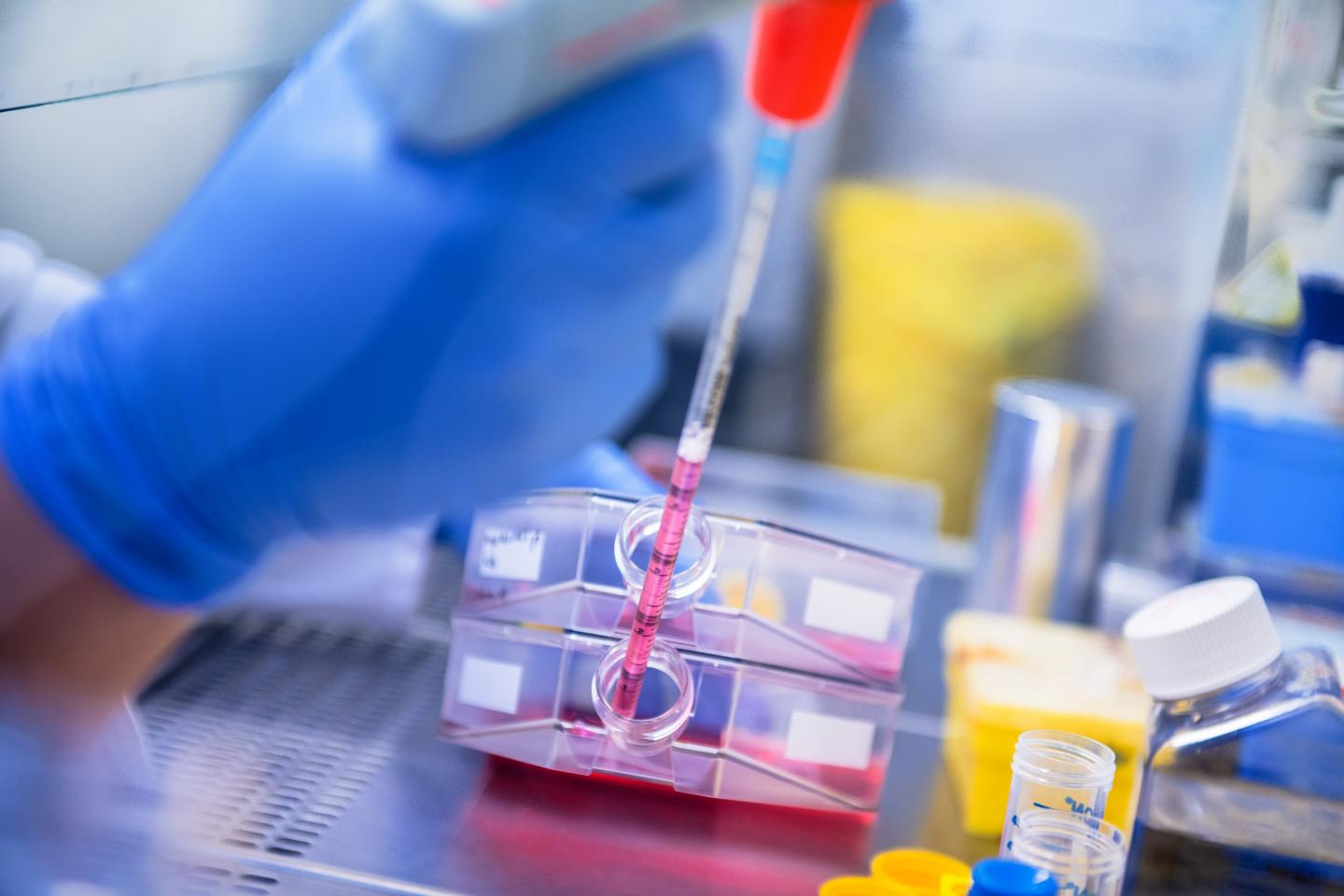
To track the antibiotic's journey from water to pepper, the researchers labeled TCC with radioactive carbon (C14). They grew the pepper plants hydroponically and, after 12 weeks, sampled the C14 content in the roots, stems, leaves and fruit. While the pepper fruit itself had relatively low levels of TCC, it contained a hefty portion of C14 in molecules that started out as TCC but then were converted to other molecules by the plant. According to the researchers, this finding indicated that the plant was metabolizing the antibiotic, and the health impact of these metabolites would need to be taken into account to fully assess the safety of TCC consumption.

###

The authors acknowledge funding the National Institute of Food and Agriculture within the U.S. Department of Agriculture, the National Science Foundation and the Vietnam Education Foundation.

The paper's abstract will be available on April 11 at 8 a.m. Eastern time here: http://pubs.acs.org/doi/abs/10.1021/acs.jafc.7b06150.

The American Chemical Society is a not-for-profit organization chartered by the U.S. Congress. ACS is the world's largest scientific society and a global leader in providing access to chemistry-related research through its multiple databases, peer-reviewed journals and scientific conferences. ACS does not conduct research, but publishes and publicizes peer-reviewed scientific studies. Its main offices are in Washington, D.C., and Columbus, Ohio.

To automatically receive news releases from the American Chemical Society, contact [email protected].

Follow us: Twitter | Facebook

Media Contact

Katie Cottingham
[email protected]
301-775-8455
@ACSpressroom

http://www.acs.org
Share13Tweet8Share2ShareShareShare2

Related Posts

How the body’s natural recycling system may reduce inflammation

How the body’s natural recycling system may reduce inflammation

July 28, 2026
Bubble streams help sperm whales sleep deeply underwater

Bubble streams help sperm whales sleep deeply underwater

July 28, 2026

Chitosan Hydrogel Stabilizes Red Blood Cell Membranes for Environmental Sensors

July 28, 2026

Nagoya Institute Scientists Identify Molecular Basis of Red-Green Color Vision

July 28, 2026
Please login to join discussion

POPULAR NEWS

  • AI and robotics speed search for improved gut microbiome therapies

    29 shares
    Share 12 Tweet 7
  • Renowned expert leads University of Maryland program for sickle cell disease

    29 shares
    Share 12 Tweet 7
  • Family Medicine Journal Tip Sheet Highlights July/August 2026 Updates

    29 shares
    Share 12 Tweet 7
  • Digital Health Tools Convert Screen Time into Active Time for Childhood Obesity

    29 shares
    Share 12 Tweet 7

About

BIOENGINEER.ORG

We bring you the latest biotechnology news from best research centers and universities around the world. Check our website.

Follow us

Recent News

AI and robotics speed search for improved gut microbiome therapies

Renowned expert leads University of Maryland program for sickle cell disease

Family Medicine Journal Tip Sheet Highlights July/August 2026 Updates

Subscribe to Blog via Email

Enter your email address to subscribe to this blog and receive notifications of new posts by email.

Join 85 other subscribers
  • Contact Us

Bioengineer.org © Copyright 2023 All Rights Reserved.

Welcome Back!

Login to your account below

Forgotten Password?

Retrieve your password

Please enter your username or email address to reset your password.

Log In
No Result
View All Result
  • Homepages
    • Home Page 1
    • Home Page 2
  • News
  • National
  • Business
  • Health
  • Lifestyle
  • Science

Bioengineer.org © Copyright 2023 All Rights Reserved.