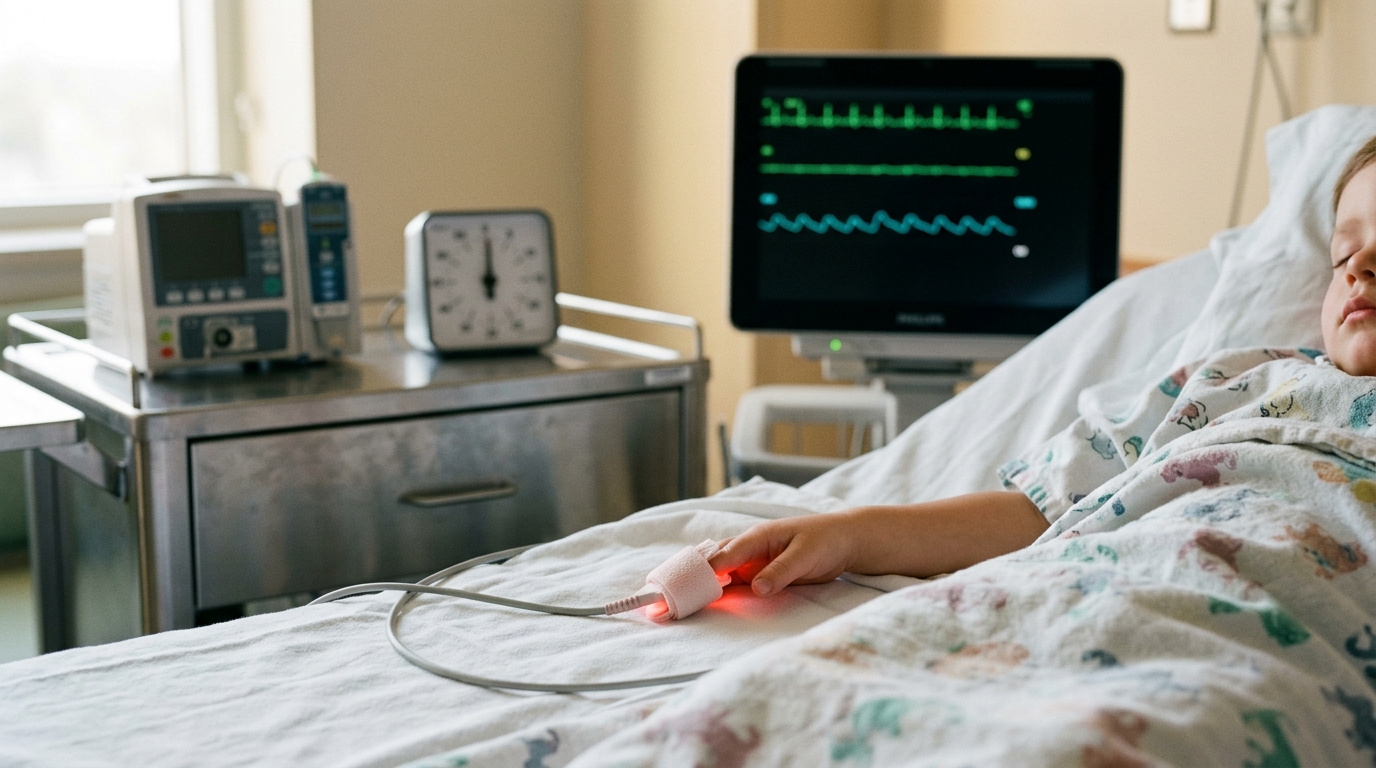
A clinical prediction nomogram developed to evaluate procedural sedation outcomes in pediatric outpatients demonstrated strong internal discriminative accuracy, driven primarily by the time required to achieve adequate sedation after drug administration. In a retrospective single-center study evaluating 904 pediatric outpatients, the multivariable model achieved an area under the receiver operating characteristic curve of 0.918 in the training cohort and 0.893 in an internal validation cohort. Sedative onset time emerged as the predominant predictor of procedural success, whereas candidate variables such as fasting duration and patient weight categories demonstrated limited or unconfirmed predictive contributions.
The investigation was conducted at Fujian Maternity and Child Health Hospital under Institutional Review Board approval to address the clinical challenge of achieving adequate sedation depth without adverse events during diagnostic and therapeutic procedures. The study cohort comprised consecutive pediatric outpatients aged 18 years or younger who underwent elective procedural sedation between March 2022 and June 2022. Eligible participants had complete records for candidate variables and sedation outcomes. Outpatient records were excluded if sedation was administered for emergency procedures, inpatient interventions, or contained incomplete documentation. The overall sample was randomly split into a training cohort of 633 patients representing 70 percent of the sample and an internal validation cohort of 271 patients representing 30 percent.
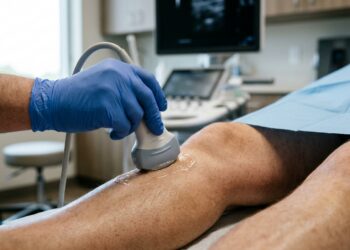
The primary clinical outcome was defined as successful sedation, characterized by the complete execution of the intended diagnostic or therapeutic procedure under the planned sedation regimen without requiring rescue sedative agents and without interruptions resulting from severe agitation or sedation-related complications, including hypoxia or hypotension. The procedures performed across the cohort included magnetic resonance imaging, brightness-mode ultrasound, computed tomography, and auditory acuity testing. Routine baseline characteristics and procedural parameters were extracted from hospital electronic medical records to compile an initial set of candidate predictive factors.
Eleven candidate predictors were initially considered: patient sex, time period of the procedure categorized as morning or afternoon, disease type, patient age group, weight group, fasting time, check time, onset time, and total administered dosages of dexmedetomidine in micrograms and midazolam in milligrams. Disease type was classified into five mutually exclusive categories based on primary International Classification of Diseases, Tenth Revision codes, encompassing symptom- and development-related conditions, organ system diseases, surgical-related diseases, vascular-related diseases, and genetic diseases. Baseline characteristics between the training and validation cohorts were largely comparable, including timing parameters, sedative doses, age groups, and examination types, though a statistically significant difference was observed in disease type distribution.
To select the most robust predictors from the candidate variables, the investigators utilized the Boruta algorithm, a wrapper feature selection method built around a random forest classifier that iteratively compares original feature importance against shuffled shadow features. Out of the eleven candidate variables evaluated in the training cohort, the algorithm confirmed three features as important for model development: onset time, weight group, and fasting time. All remaining candidate variables, including patient sex, scheduled time period, specific disease classification, check-in time, age group, and absolute sedative dosages, were rejected by the algorithm as non-important.
In single-predictor receiver operating characteristic analyses, onset time alone exhibited high discriminative capacity with an area under the curve of 0.912 and a 95 percent confidence interval spanning 0.889 to 0.934. By contrast, weight group and fasting duration demonstrated moderate individual discriminative capacity, both yielding an area under the curve of 0.621, with 95 percent confidence intervals of 0.575 to 0.668 and 0.568 to 0.673, respectively. Fasting time, measured as the duration in hours from the last intake of solid food to sedative administration, was not significantly associated with successful sedation in the multivariable model, yielding an odds ratio of 0.97 with a 95 percent confidence interval of 0.90 to 1.04 and a p-value of 0.400.
Multivariable logistic regression analysis conducted on the training cohort demonstrated that each incremental minute in onset time was associated with reduced odds of procedural sedation success, showing an odds ratio of 0.84 with a 95 percent confidence interval of 0.81 to 0.86 and a p-value below 0.001. For patients achieving adequate sedation, onset time represented the interval from the initial sedative administration to the documented onset of procedural readiness; for patients requiring rescue medication or experiencing procedure termination, it captured the interval to that clinical decision. Among weight classifications referenced against patients weighing 10 kilograms or less, the 30 to 40 kilogram subgroup initially showed lower odds of success with an odds ratio of 0.06 and a 95 percent confidence interval of 0.01 to 0.58. However, this subgroup contained only six patients, and the association was no longer statistically significant following Holm-Bonferroni adjustment for multiple comparisons, yielding an adjusted p-value of 0.068.
The final three-variable multivariable logistic regression model was graphically translated into a clinical nomogram to calculate point totals and derive estimated individual probabilities of successful sedation. Discrimination was confirmed through receiver operating characteristic analysis, yielding an area under the curve of 0.918 with a 95 percent confidence interval of 0.896 to 0.940 in the training cohort, and an area under the curve of 0.893 with a 95 percent confidence interval of 0.855 to 0.930 in the internal validation cohort. Calibration curves comparing predicted probabilities against observed outcomes aligned closely with the ideal 45-degree reference line across both cohorts, indicating consistent agreement across low- and high-risk strata.
To evaluate potential clinical utility, decision curve analysis was performed across a spectrum of threshold probabilities. The analysis demonstrated that guiding clinical decisions using the nomogram provided a higher net benefit than default approaches of assuming all patients would achieve successful sedation or assuming none would. The authors noted that because onset time is recorded after sedative delivery and reflects the interval up to rescue administration or cancellation in unsuccessful attempts, the resulting nomogram functions as an early intraprocedural monitoring and decision-support tool rather than an exclusively pre-procedural risk screening tool.
Several methodological and structural limitations were highlighted by the research team. Because the investigation relied on a single-center retrospective cohort and internal validation through random splitting, findings require external validation in independent clinical environments with varied patient populations and sedation protocols before widespread adoption. Additionally, the small number of patients in higher weight brackets led to imprecise effect estimates and statistical instability. The authors also emphasized that the lack of statistical association between fasting duration and sedation effectiveness reflects procedural completion rather than safety parameters, noting that the data should not be used to alter established clinical fasting guidelines designed to prevent rare adverse events such as pulmonary aspiration.
Beyond the exploratory 30 to 40 kilogram subgroup, the multivariable logistic regression analysis demonstrated no statistically significant differences across the remaining weight classifications compared with the reference cohort weighing 10 kilograms or less. Specifically, pediatric patients weighing 10 to 20 kilograms exhibited an odds ratio of 0.83 with a 95 percent confidence interval of 0.46 to 1.49 and a p-value of 0.536, while the 20 to 30 kilogram category yielded an odds ratio of 0.70 with a 95 percent confidence interval of 0.19 to 2.85 and a p-value of 0.608. For participants weighing more than 40 kilograms, the estimated odds ratio was 0.00 with a p-value of 0.982. The authors observed that this heaviest category included very few patients and recorded no procedural events, producing statistical separation and unstable numerical estimates. To mitigate such biases and reduce variance in future investigations across pediatric populations, the research team recommended evaluating alternative categorization strategies, such as merging sparse categories, or employing penalized regression techniques.
The investigators also identified critical structural considerations regarding the operational definition of onset time. Because onset time was recorded after sedative administration, it inevitably reflects post-baseline procedural dynamics rather than baseline characteristics alone. In patients who experienced sedation failure, onset time specifically measured the elapsed duration until clinicians decided to administer rescue medication or abort the procedure. Consequently, the metric partly captures individual clinician decision-making thresholds, introducing potential information leakage that may have artificially inflated the model’s apparent discriminative performance. The researchers noted that future modeling efforts should examine whether predictive accuracy can be maintained using strictly pre-administration variables, or alternatively apply time-to-event statistical frameworks that explicitly model induction timelines. Furthermore, the analysis could not account for several unmeasured clinical confounders, including baseline patient anxiety, granular diagnostic comorbidities, and subtle variations in drug administration techniques.
Although the duration of pre-procedural fasting from solid food showed no measurable association with sedation success, the authors highlighted that unnecessarily prolonged fasting can still induce clinical harm, including patient discomfort, dehydration, and hypoglycemia. They emphasized that their outcome was limited strictly to immediate procedural completion under the planned sedative regimen, without assessing patient satisfaction, longer-term outcomes, or rare safety hazards such as pulmonary aspiration. Consequently, the observed findings regarding fasting duration relate solely to sedation effectiveness within existing guideline frameworks. From a practical workflow perspective, the authors noted that closely monitoring early patient responsiveness after sedative delivery could enable teams to detect delayed induction promptly, allowing earlier deployment of rescue strategies to streamline procedural flow and improve the overall care experience for pediatric patients undergoing elective outpatient examinations.
Subject of Research: Development and internal validation of a pediatric outpatient procedural sedation nomogram
Article Title: Development and validation of a nomogram for predicting successful sedation in pediatric outpatients based on machine learning
Article References: Xue, H., Zheng, Y., & Lin, C. (2026). Development and validation of a nomogram for predicting successful sedation in pediatric outpatients based on machine learning. BMC Pediatrics, 26(1), Article 1252. https://doi.org/10.1186/s12887-026-07485-z
Image Credits: AI Generated
DOI: 10.1186/s12887-026-07485-z
Keywords: pediatric procedural sedation, clinical prediction model, nomogram, machine learning, Boruta feature selection, sedative onset time, dexmedetomidine, midazolam, internal validation, receiver operating characteristic, decision curve analysis, logistic regression, calibration curves, fasting duration, pediatric outpatients, procedural compliance
News Source: Harold Sullivan. (November 27, 2026). Pediatric Sedation Nomogram Demonstrates High Internal Accuracy Driven Primarily by Onset Time. Scienmag.