• HOME
  • NEWS
  • EXPLORE
    • CAREER
      • Companies
      • Jobs
    • EVENTS
    • iGEM
      • News
      • Team
    • PHOTOS
    • VIDEO
    • WIKI
  • BLOG
  • COMMUNITY
    • FACEBOOK
    • INSTAGRAM
    • TWITTER
Friday, November 27, 2026
BIOENGINEER.ORG
No Result
View All Result
  • Login
  • HOME
  • NEWS
  • EXPLORE
    • CAREER
      • Companies
      • Jobs
        • Lecturer
        • PhD Studentship
        • Postdoc
        • Research Assistant
    • EVENTS
    • iGEM
      • News
      • Team
    • PHOTOS
    • VIDEO
    • WIKI
  • BLOG
  • COMMUNITY
    • FACEBOOK
    • INSTAGRAM
    • TWITTER
No Result
View All Result
Bioengineer.org
No Result
View All Result
Home NEWS Science News Health

Fisetin Reduces Bone Density Loss in Accelerated Aging Progeria Mouse Model

by
November 27, 2026
in Health
Reading Time: 2 mins read
0
Fisetin Reduces Bone Density Loss in Accelerated Aging Progeria Mouse Model

Fisetin Reduces Bone Density Loss in Accelerated Aging Progeria Mouse Model

Share on FacebookShare on TwitterShare on LinkedinShare on RedditShare on Telegram

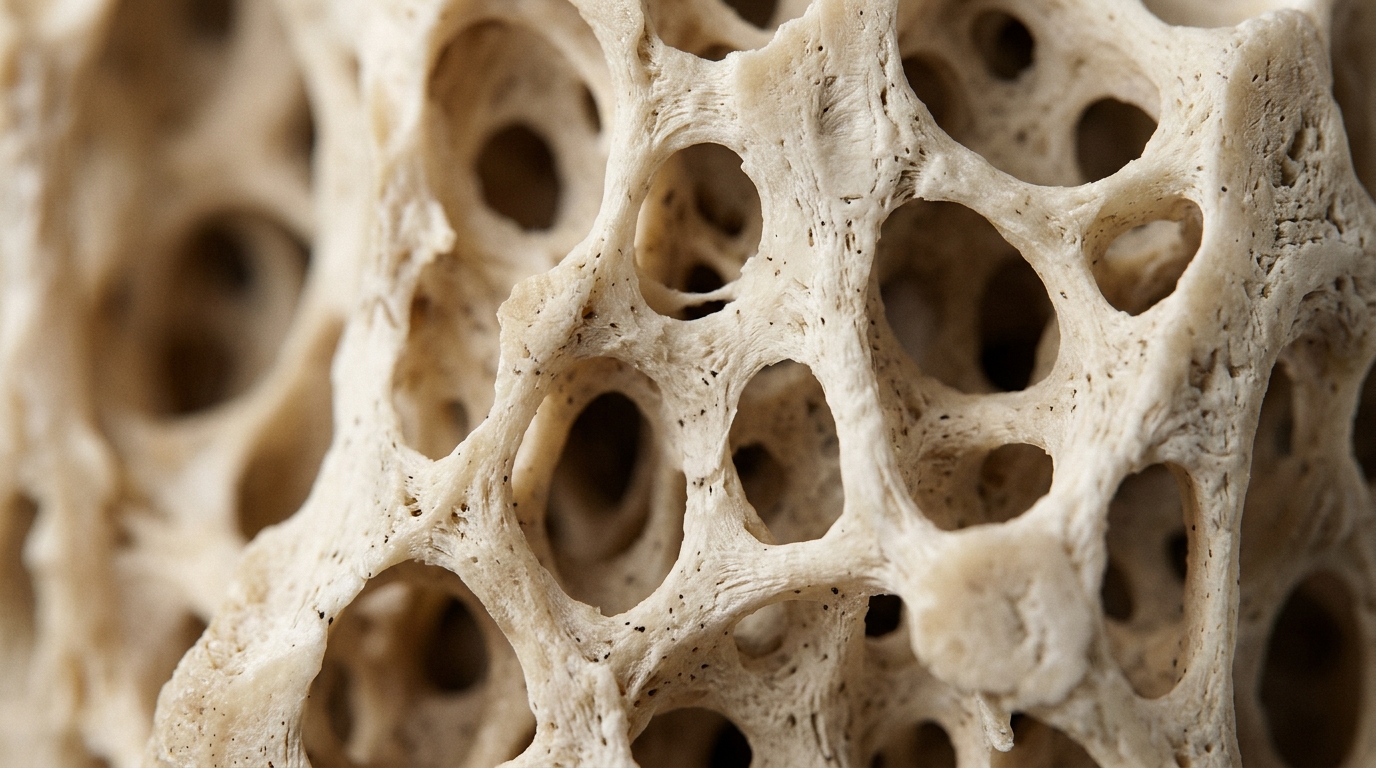
Researchers evaluating senolytic drugs in a progeria mouse model have demonstrated that fisetin administration attenuates bone density loss associated with accelerated aging. The study tested senolytics in the Zmpste24-deficient murine model, which serves as an experimental system for Hutchinson–Gilford progeria syndrome. While senolytics selectively target senescent cells, the investigators observed distinct outcomes among different compounds evaluated for their capacity to mitigate age-associated skeletal deterioration.

Cellular senescence represents a biological state characterized by a loss of proliferative capacity, resistance to apoptosis, and the sustained secretion of a proinflammatory, anti-regenerative profile termed the senescence-associated secretory phenotype. As senescent cells and their secretory factors accumulate over time, they are thought to contribute significantly to systemic aging processes. Senolytic compounds function by selectively inhibiting the anti-apoptotic pathways upregulated in senescent cells, thereby inducing apoptosis in these cells and reducing the harmful production of associated secretory factors.

Geriatric aging frequently leads to conditions such as osteoporosis and associated frailty syndrome, for which current treatments remain limited and fail to address fundamental drivers of pathology. Prior research in murine models of osteoporosis indicated that pharmacologically clearing senescent cells with senolytic agents can reduce disease symptomology. Senescent cell accumulation has also been linked directly to several age-related pathologies in mice, specifically including osteoarthritis and bone density loss.

In their investigation, the researchers evaluated the efficacy of dasatinib, quercetin, and fisetin within the accelerated aging progeria system. Although prior evidence supported senolytic interventions, the experimental combination of dasatinib plus quercetin failed to significantly mitigate trabecular bone loss in this model. In contrast, treatment with the senolytic drug fisetin successfully reduced bone density loss, demonstrating compound-specific efficacy in countering age-linked skeletal degeneration.

The overt bone density loss documented in the Zmpste24-deficient model confirms its utility as a translational model capable of recapitulating bone density alterations characteristic of advanced age. In alignment with the broader geroscience hypothesis, the authors concluded that these findings illustrate the utility of targeting senescent cell accumulation—a fundamental driver of systemic aging—to alleviate bone deterioration and progressive loss of tissue homeostasis.

Subject of Research: Senolytic drug effects on bone degeneration in progeria mice

Article Title: The Senolytic Drug Fisetin Attenuates Bone Degeneration in the Zmpste24−/− Progeria Mouse Model

Article References: Hambright, W. S., Mu, X., Gao, X., Guo, P., Kawakami, Y., Mitchell, J., Mullen, M., Nelson, A.-L., Bahney, C., Nishimura, H., Hellwinkel, J., Eck, A., & Huard, J. (2023). The Senolytic Drug Fisetin Attenuates Bone Degeneration in the Zmpste24−/− Progeria Mouse Model. Journal of Osteoporosis, 2023, 1-12. https://doi.org/10.1155/2023/5572754

Image Credits: AI Generated

DOI: 10.1155/2023/5572754

Keywords: fisetin, senolytics, cellular senescence, bone degeneration, osteoporosis, Zmpste24, Hutchinson-Gilford progeria syndrome, progeria mouse model, senescence-associated secretory phenotype, dasatinib, quercetin, trabecular bone loss, bone density, geroscience hypothesis, apoptosis, frailty syndrome

News Source: Beatrice Stafford. (November 27, 2026). Fisetin Reduces Bone Density Loss in Accelerated Aging Progeria Mouse Model. Scienmag.


Tags: Apoptosisbone degenerationBone DensityCellular SenescencedasatinibfisetinFrailty syndromegeroscience hypothesisHutchinson-Gilford progeria syndromeosteoporosisprogeria mouse modelquercetinsenescence-associated secretory phenotypesenolyticstrabecular bone lossZmpste24
Share12Tweet7Share2ShareShareShare1

Related Posts

Psychological Pain and Alexithymia Mediate Neuroticism and Adolescent Self-Injury

Psychological Pain and Alexithymia Mediate Neuroticism and Adolescent Self-Injury

November 27, 2026
Visual Silhouette Scale Accurately Screens Obesity in Young Adult Turkish Women

Visual Silhouette Scale Accurately Screens Obesity in Young Adult Turkish Women

November 27, 2026

Men Face Fragmented Care and Limited Awareness for Prostate Cancer-Related Lymphedema

November 27, 2026

Rome V Reclassifies Pediatric Abdominal Pain Disorders by Temporal Symptom Presentation

November 27, 2026

POPULAR NEWS

  • Polidocanol Foam Ratios Show Similar Saphenous Vein Occlusion in Cohort Study

    Polidocanol Foam Ratios Show Similar Saphenous Vein Occlusion in Cohort Study

    29 shares
    Share 12 Tweet 7
  • Extracellular Biophysical Forces Drive Gene Regulation by Directly Deforming the Nucleus

    29 shares
    Share 12 Tweet 7
  • Viatorr Stents Improve Shunt Patency Over Bare Stents in TIPS Review

    29 shares
    Share 12 Tweet 7
  • Fisetin Reduces Bone Density Loss in Accelerated Aging Progeria Mouse Model

    29 shares
    Share 12 Tweet 7

About

We bring you the latest biotechnology news from best research centers and universities around the world. Check our website.

Follow us

Recent News

Beneficial Root Bacteria Enhance Strawberry Fruit Quality Under Salinity Stress

Game-Theoretic Federated Learning Detects Threats Across Diverse Multi-Cloud Systems

Quercetin-Capped Gold Nanoparticles Mitigate Doxorubicin-Induced Oxidative Stress in Cultured Cardiomyoblasts

Subscribe to Blog via Email

Enter your email address to subscribe to this blog and receive notifications of new posts by email.

Join 89 other subscribers
  • Contact Us

Bioengineer.org © Copyright 2023 All Rights Reserved.

Welcome Back!

Login to your account below

Forgotten Password?

Retrieve your password

Please enter your username or email address to reset your password.

Log In
No Result
View All Result
  • Homepages
    • Home Page 1
    • Home Page 2
  • News
  • National
  • Business
  • Health
  • Lifestyle
  • Science

Bioengineer.org © Copyright 2023 All Rights Reserved.