• HOME
  • NEWS
  • EXPLORE
    • CAREER
      • Companies
      • Jobs
    • EVENTS
    • iGEM
      • News
      • Team
    • PHOTOS
    • VIDEO
    • WIKI
  • BLOG
  • COMMUNITY
    • FACEBOOK
    • INSTAGRAM
    • TWITTER
Thursday, May 14, 2026
BIOENGINEER.ORG
No Result
View All Result
  • Login
  • HOME
  • NEWS
  • EXPLORE
    • CAREER
      • Companies
      • Jobs
        • Lecturer
        • PhD Studentship
        • Postdoc
        • Research Assistant
    • EVENTS
    • iGEM
      • News
      • Team
    • PHOTOS
    • VIDEO
    • WIKI
  • BLOG
  • COMMUNITY
    • FACEBOOK
    • INSTAGRAM
    • TWITTER
  • HOME
  • NEWS
  • EXPLORE
    • CAREER
      • Companies
      • Jobs
        • Lecturer
        • PhD Studentship
        • Postdoc
        • Research Assistant
    • EVENTS
    • iGEM
      • News
      • Team
    • PHOTOS
    • VIDEO
    • WIKI
  • BLOG
  • COMMUNITY
    • FACEBOOK
    • INSTAGRAM
    • TWITTER
No Result
View All Result
Bioengineer.org
No Result
View All Result
Home NEWS Science News Health

Pairing up: the impact of treating alcohol use disorder and PTSD together

Bioengineer by Bioengineer
April 20, 2023
in Health
Reading Time: 2 mins read
0
Anka Vujanovic, professor of psychology and director of the Trauma and Stress Studies Center at the University of Houston
Share on FacebookShare on TwitterShare on LinkedinShare on RedditShare on Telegram

A collaborative multi-site randomized controlled trial at the University of Houston and the Medical University of South Carolina is set to prove the effectiveness of treating alcohol use disorder (AUD) and posttraumatic stress disorder (PTSD) together. 
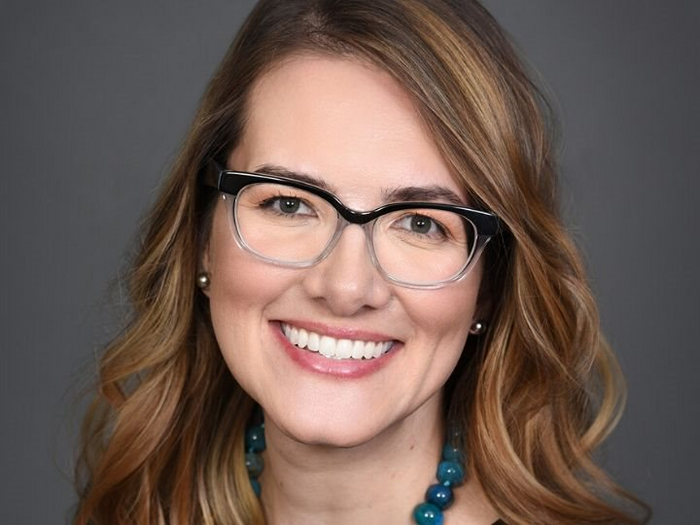
Anka Vujanovic, professor of psychology and director of the Trauma and Stress Studies Center at the University of Houston

Credit: University of Houston

A collaborative multi-site randomized controlled trial at the University of Houston and the Medical University of South Carolina is set to prove the effectiveness of treating alcohol use disorder (AUD) and posttraumatic stress disorder (PTSD) together. 

It’s a one-two punch whose time has come. No integrative treatment combining Cognitive processing therapy (CPT) for PTSD and relapse prevention (RP) for AUD currently exists. 

“A substantial proportion of individuals with AUD also meet criteria for PTSD. The co-occurrence of AUD/PTSD is characterized by more severe symptomatology, greater functional impairment, increased suicide risk, and poorer treatment outcomes as compared to either disorder alone,” said Anka Vujanovic, professor of psychology and director of the Trauma and Stress Studies Center at the University of Houston. She and Sudie Back, professor of psychiatry and behavioral sciences at MUSC, have received a grant of $3,461,217 from the National Institute on Alcohol Abuse and Alcoholism (NIAAA) to conduct the randomized clinical trial. 

“Cognitive processing therapy for PTSD and relapse prevention for AUD are two of the most widely used and efficacious behavioral treatments for these conditions,” said Back. Vujanovic successfully developed and pilot tested a therapy manual that combines CPT with RP. “The preliminary data demonstrate safety, feasibility, high rates of retention and patient satisfaction,” said Back.   

The trial’s primary objective is to examine the efficacy of CPT-RP, as compared to RP alone, in reducing alcohol use frequency and quantity and PTSD symptom severity among individuals with current AUD/PTSD.  

The team will also evaluate behavior change on a daily basis using innovative mobile technology.  

“This study aligns closely with the mission of NIAAA in that it aims to produce maximally efficacious behavioral interventions for AUD and comorbid psychiatric disorders such as PTSD. The findings from this study will provide new information to advance the science of AUD/PTSD comorbidity and innovate clinical practice,” said Vujanovic.  

“The intervention to be tested is supported by promising preliminary data and a high level of enthusiasm from national providers, conferring strong potential for uptake in diverse clinical settings and delivery by a range of clinical providers,” Back said.  

The findings have the potential to open a new avenue of trauma-focused integrative treatment for AUD/PTSD and significantly enhance patient reach, retention and clinical outcomes, according to the team. 



Share12Tweet8Share2ShareShareShare2

Related Posts

Maveropepimut-S Combo Shows Promise in Ovarian Cancer

May 14, 2026

New Global Study Reveals Challenges in Combating High Blood Pressure Effectively

May 13, 2026

Randomised Controlled Trial Finds Semaglutide Effective for Severe Obesity in Long-Term Treatment-Resistant Young Patients

May 13, 2026

Unraveling Dementia Networks in Singapore’s Elderly

May 13, 2026

POPULAR NEWS

  • Research Indicates Potential Connection Between Prenatal Medication Exposure and Elevated Autism Risk

    842 shares
    Share 337 Tweet 211
  • New Study Reveals Plants Can Detect the Sound of Rain

    729 shares
    Share 291 Tweet 182
  • Salmonella Haem Blocks Macrophages, Boosts Infection

    62 shares
    Share 25 Tweet 16
  • Breastmilk Balances E. coli and Beneficial Bacteria in Infant Gut Microbiomes

    57 shares
    Share 23 Tweet 14

About

We bring you the latest biotechnology news from best research centers and universities around the world. Check our website.

Follow us

Recent News

Triple-Negative Breast Cancer Ecotypes and Chemotherapy Response

Maveropepimut-S Combo Shows Promise in Ovarian Cancer

Gaussian Boson Sampling: 1,024 Squeezed States, 8,176 Modes

Subscribe to Blog via Email

Enter your email address to subscribe to this blog and receive notifications of new posts by email.

Join 82 other subscribers
  • Contact Us

Bioengineer.org © Copyright 2023 All Rights Reserved.

Welcome Back!

Login to your account below

Forgotten Password?

Retrieve your password

Please enter your username or email address to reset your password.

Log In
No Result
View All Result
  • Homepages
    • Home Page 1
    • Home Page 2
  • News
  • National
  • Business
  • Health
  • Lifestyle
  • Science

Bioengineer.org © Copyright 2023 All Rights Reserved.