• HOME
  • NEWS
  • EXPLORE
    • CAREER
      • Companies
      • Jobs
    • EVENTS
    • iGEM
      • News
      • Team
    • PHOTOS
    • VIDEO
    • WIKI
  • BLOG
  • COMMUNITY
    • FACEBOOK
    • INSTAGRAM
    • TWITTER
Tuesday, May 12, 2026
BIOENGINEER.ORG
No Result
View All Result
  • Login
  • HOME
  • NEWS
  • EXPLORE
    • CAREER
      • Companies
      • Jobs
        • Lecturer
        • PhD Studentship
        • Postdoc
        • Research Assistant
    • EVENTS
    • iGEM
      • News
      • Team
    • PHOTOS
    • VIDEO
    • WIKI
  • BLOG
  • COMMUNITY
    • FACEBOOK
    • INSTAGRAM
    • TWITTER
  • HOME
  • NEWS
  • EXPLORE
    • CAREER
      • Companies
      • Jobs
        • Lecturer
        • PhD Studentship
        • Postdoc
        • Research Assistant
    • EVENTS
    • iGEM
      • News
      • Team
    • PHOTOS
    • VIDEO
    • WIKI
  • BLOG
  • COMMUNITY
    • FACEBOOK
    • INSTAGRAM
    • TWITTER
No Result
View All Result
Bioengineer.org
No Result
View All Result
Home NEWS Science News Biology

Our bodies may cure themselves of diabetes in the future

Bioengineer by Bioengineer
January 4, 2019
in Biology
Reading Time: 2 mins read
0
IMAGE
Share on FacebookShare on TwitterShare on LinkedinShare on RedditShare on Telegram

Researchers have found that neighbour-cells can take over functions of damaged or missing insulin-producing cells; the discovery may lead to new treatments for diabetes
IMAGE

Credit: Kim E. Andreassen


Diabetes is caused by damaged or non-existing insulin cells inability to produce insulin, a hormone that is necessary in regulating blood sugar levels. Many diabetes patients take insulin supplements to regulate these levels.

In collaboration with other international researchers, researchers at the University of Bergen have, discovered that glucagon.producing cells in the pancreas, can change identity and adapt so that they do the job for their neighbouring damaged or missing insulin cells.

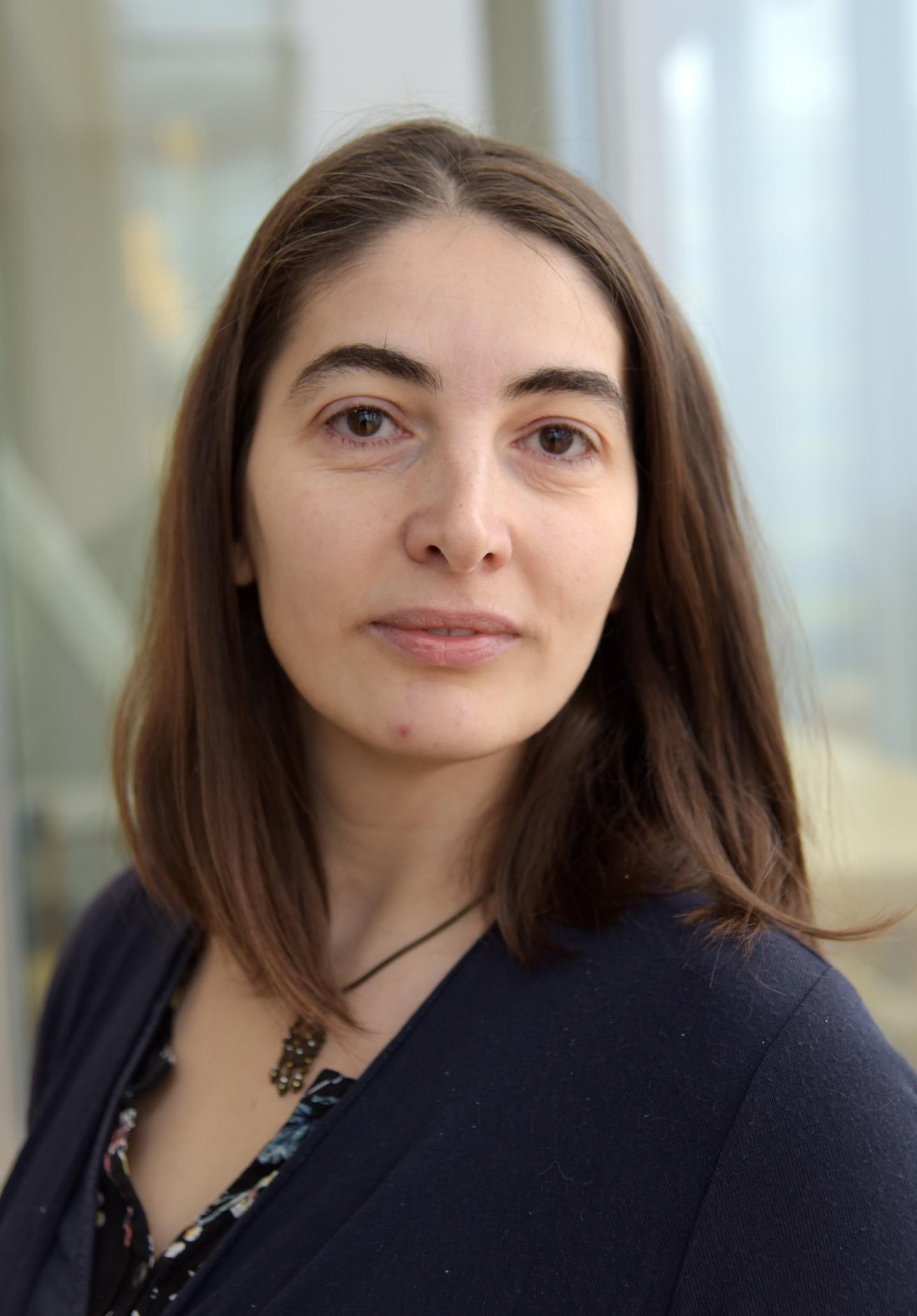
“We are possibly facing the start of a totally new form of treatment for diabetes, where the body can produce its own insulin, with some start-up help,” says Researcher Luiza Ghila at the Raeder Research Lab, Department of Clinical Science, University of Bergen (UiB).

Cells can change identity

The researchers discovered that only about 2 per cent the neighbouring cells in the pancreas could change identity. However, event that amount makes the researchers are optimistic about potential new treatment approaches.

For the first time in history, researchers were able to describe the mechanisms behind the process of cell identity. It turns out that this is not at passive process, but is a result of signals from the surrounding cells. In the study, researchers were able to increase the number of insulin producing cells to 5 per cent, by using a drug that influenced the inter-cell signalling process. Thus far, the results have only been shown in animal models.

“If we gain more knowledge about the mechanisms behind this cell flexibility, then we could possibly be able to control the process and change more cells’ identities so that more insulin can be produced, ” Ghila explains.

Possible new treatment against cell death

According to the researchers, the new discoveries is not only good news for diabetes treatment.

“The cells´ ability to change identity and function, may be a decisive discovery in treating other diseases caused by cell death, such as Alzheimer´s disease and cellular damage due to heart attacks”, says Luiza Ghila.

Facts: Pancreas

  • There are three different types of cells in the pancreas: alpha-cells, beta-cells and delta-cells. These produce different kinds of hormones for blood sugar regulation.

  • The cells make clusters. Alpha-cells produce glucagon, which increases the blood sugar levels. Beta-cells produce insulin, which decreases glucagon levels. Delta-cells produce somatostatin, which controls the regulation of the Alpha and Beta Cells.

  • Persons with diabetes have a damaged beta-cell function, and therefore have constant high blood sugar levels.

###

Media Contact
Luiza Ghila
[email protected]
47-477-56941

Original Source

https://www.uib.no/en/med/123330/our-body-may-cure-itself-diabetes-future

Related Journal Article

http://dx.doi.org/10.1038/s41556-018-0216-y

Tags: Cell BiologyDiabetesMedicine/HealthMetabolism/Metabolic Diseases
Share12Tweet8Share2ShareShareShare2

Related Posts

From Complexity to Clarity: Unraveling the “Topological Laws” Governing Cell Death — Biology

From Complexity to Clarity: Unraveling the “Topological Laws” Governing Cell Death

May 11, 2026
New Classification Framework Identifies Tumor-Associated Bacterial Effectors as Crucial Drivers of Tumor Biology and Immune Response — Biology

New Classification Framework Identifies Tumor-Associated Bacterial Effectors as Crucial Drivers of Tumor Biology and Immune Response

May 11, 2026

HIV-1 Strains Reveal Varied Paths to Antibody Escape

May 11, 2026

CRISPRi Screening Identifies Fungal-Specific Drug Targets

May 11, 2026
Please login to join discussion

POPULAR NEWS

  • Research Indicates Potential Connection Between Prenatal Medication Exposure and Elevated Autism Risk

    841 shares
    Share 336 Tweet 210
  • New Study Reveals Plants Can Detect the Sound of Rain

    728 shares
    Share 290 Tweet 182
  • Salmonella Haem Blocks Macrophages, Boosts Infection

    62 shares
    Share 25 Tweet 16
  • Breastmilk Balances E. coli and Beneficial Bacteria in Infant Gut Microbiomes

    57 shares
    Share 23 Tweet 14

About

We bring you the latest biotechnology news from best research centers and universities around the world. Check our website.

Follow us

Recent News

Humans and Zebra Finches Share Similar Speech Learning Techniques #ASA190

New Study Uncovers How Fungal Parasites Attack Strawberries and Raspberries

City of Hope Researchers to Present Groundbreaking Immunotherapy and Precision Medicine Advances Across Multiple Cancer Types at ASCO 2026

Subscribe to Blog via Email

Enter your email address to subscribe to this blog and receive notifications of new posts by email.

Join 82 other subscribers
  • Contact Us

Bioengineer.org © Copyright 2023 All Rights Reserved.

Welcome Back!

Login to your account below

Forgotten Password?

Retrieve your password

Please enter your username or email address to reset your password.

Log In
No Result
View All Result
  • Homepages
    • Home Page 1
    • Home Page 2
  • News
  • National
  • Business
  • Health
  • Lifestyle
  • Science

Bioengineer.org © Copyright 2023 All Rights Reserved.