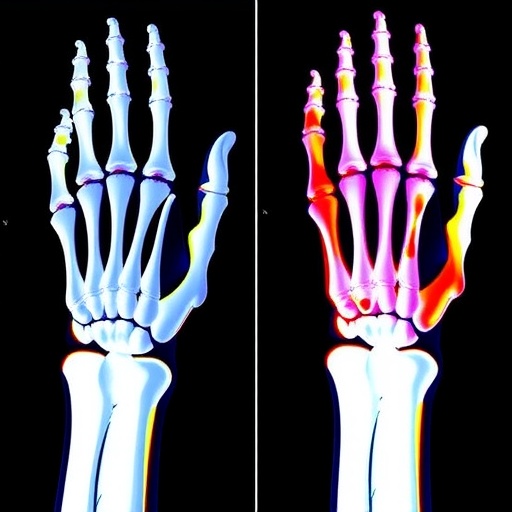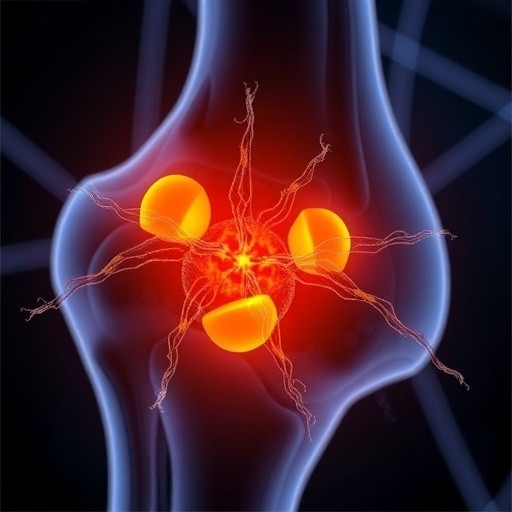
A new study published in Nature Communications (2026) spotlights an unexpected molecular player in the battle against osteoarthritis: osteocyte parvalbumin. Osteocytes, the bone’s embedded mechanosensors, constantly translate mechanical forces—such as walking-induced strain—into biochemical signals. When that signaling goes awry, cartilage degradation and joint inflammation can accelerate. The researchers report that parvalbumin acts as a mechanotransduction switch inside osteocytes, helping to dampen the processes that ultimately drive osteoarthritis.
The team focuses on how calcium buffering within osteocytes shapes downstream responses to mechanical loading. Parvalbumin, a calcium-binding protein best known for fast calcium regulation in excitable tissues, appears to tune the magnitude and timing of calcium transients triggered by strain. These calcium dynamics, in turn, influence signaling cascades that regulate bone-cartilage crosstalk.
Mechanically stimulated osteocytes typically activate pathways that alter the extracellular environment, including factors that modulate osteoclast activity and inflammatory tone. In this work, manipulating parvalbumin levels changed how osteocytes responded to loading cues. Reduced parvalbumin disrupted the normal mechanosensitive signaling pattern, while restoring it promoted a more protective response.
Crucially, the authors connect these cellular effects to disease-relevant outcomes. In osteoarthritis models, parvalbumin-mediated mechanotransduction correlated with attenuated joint deterioration. The findings suggest that osteocyte calcium handling is not just a local phenomenon, but a determinant of joint health over time.
From a technical standpoint, the study combines mechanostimulation experiments with molecular assays to track calcium-related signaling and verify parvalbumin’s functional role. The investigators then integrate these mechanistic readouts with phenotypic assessments of osteoarthritis severity, linking pathway modulation to tissue-level outcomes.
The translational implication is straightforward: interventions that enhance osteocyte parvalbumin function—or mimic its effects on mechanosensitive calcium signaling—could offer a strategy to slow osteoarthritis progression. Rather than targeting cartilage alone, this approach reframes the disease as a systems-level failure in how bone senses and communicates mechanical information.
Because osteoarthritis affects millions and current treatments often manage symptoms rather than modify disease, a mechanotransduction-centric target is especially timely. If the biology holds across human tissue, parvalbumin could become a biomarker of mechanosignal integrity or a lead for next-generation therapeutics.
For patients, the most exciting prospect is that “movement” itself might be harnessed more intelligently. By preserving the cellular machinery that converts load into protective signals, future therapies could optimize mechanical rehabilitation while limiting molecular misfires.
Subject of Research: Osteocyte mechanotransduction; osteoarthritis attenuation
Article Title: Osteocyte parvalbumin mediates mechanotransduction to attenuate osteoarthritis.
Article References: Su, J., Li, C., Chen, Y. et al. Osteocyte parvalbumin mediates mechanotransduction to attenuate osteoarthritis. Nat Commun (2026). https://doi.org/10.1038/s41467-026-75578-5
Image Credits: AI Generated
Tags: bone-cartilage signalingcalcium buffering in bone cellscalcium dynamics in bone healthinflammatory regulation in joint diseasemechanical loading effects on bonesmechanotransduction in osteocytesmodulation of osteoclast activitymolecular mechanisms of osteoarthritisosteoarthritis progression preventionosteocyte mechanosensorsosteocyte parvalbuminrole of parvalbumin in bone disease