A bacterial pathogen that attacks the gills of farmed fish may have met its match in an unexpected place: the cell's own antioxidant chemistry. The protection did not come from killing the bacterium outright alone, but from a striking shift in the infected cells' internal defences, led by elevated levels of the antioxidant glutathione. When it infects gill epithelial cells, it can compromise the barrier that these cells form, trigger cell death and set off oxidative and inflammatory stress responses.
The research team, led by Igori Balta of the University of Life Sciences King Mihai I of Romania from Timisoara, together with collaborators from the London School of Hygiene & Tropical Medicine, the Victor Babes University of Medicine and Pharmacy in Timisoara and the Agri-Food and Biosciences Institute in Belfast, set out to test whether AuraAqua could shield gill cells from this cascade of injury. In laboratory assays, AuraAqua showed a minimum inhibitory concentration of 1 percent against E. tarda, meaning that at this concentration it stopped bacterial growth, and a minimum bactericidal concentration of 2 percent, at which it killed the pathogen outright. These benchmarks established that the mixture had genuine antibacterial activity before the team turned to the more delicate question of what it does inside host cells.
A critical early finding was that the mixture was not directly cytotoxic to the gill cells at any of the tested concentrations. Instead, AuraAqua reduced the release of lactate dehydrogenase, a marker of cell membrane damage, while preserving both cell viability and transepithelial electrical resistance, a measure of how well the epithelial barrier holds together. The mixture also interfered with the earliest stages of infection.
AuraAqua treatment reduced the adhesion of E. tarda to the gill cells and lowered the recovery of bacteria that had made it inside, indicating that the compound impaired the initial host-pathogen interactions that a pathogen relies on to establish itself. At the molecular level, the treated cells showed increased expression of genes associated with tight junctions, the protein assemblies that seal the gaps between epithelial cells. Specifically, the expression of cldn-10e, cldn-30 and zo-1 went up in infected cells that received AuraAqua.
Tight junctions are the structural basis of barrier integrity, and their reinforcement suggests that the mixture helped the epithelial layer maintain its architectural coherence even under bacterial assault. The most revealing results concerned the cell's antioxidant machinery. During infection, AuraAqua enhanced intracellular levels of glutathione, a small molecule that neutralises reactive oxygen species and serves as a central pillar of cellular antioxidant defence.
At the same time, the activity of superoxide dismutase and catalase, two enzymes that normally work to clear reactive oxygen species, decreased, as did the accumulation of hydrogen peroxide. The researchers interpret this pattern as evidence that the elevated glutathione took over much of the antioxidant workload, reducing the oxidative burden that would otherwise damage the cells and lessening the need for the enzymatic defences to compensate. That antioxidant shift had consequences for inflammation.
AuraAqua decreased the activation of NF-κB p65, a transcription factor that drives inflammatory signalling, and significantly downregulated the expression of three pro-inflammatory cytokines: IL-8, IL-1β and TNF-α. In other words, by strengthening the cell's antioxidant capacity, the mixture also dampened the inflammatory response that oxidative stress typically provokes. The authors conclude that AuraAqua can stimulate increased endogenous glutathione production, which primarily protects RTgill-W1 cells and limits E. tarda-induced cytotoxic injury, strengthens antioxidant defence, maintains epithelial barrier integrity and suppresses NF-κB-associated inflammatory signalling.
The findings are compelling but come with clear boundaries. All of the work was conducted in a single cell line under laboratory conditions, and the concentrations tested, the timing of treatment and the interplay between the mixture's direct antibacterial action and its effects on host cell signalling would all need further investigation before any application in farmed fish could be considered. The study was received on 23 September 2026 and accepted on 8 October 2026, and the final formatted version is pending publication.
Even within those limits, the research points to a mechanism worth pursuing: an antimicrobial intervention that works partly by boosting the host's own glutathione-linked antioxidant defence rather than by attacking the pathogen alone.
Subject of Research: Glutathione-linked antioxidant defence and epithelial barrier protection in organic acid-treated gill cells infected with Edwardsiella tarda
Article Title: Glutathione-linked antioxidant defence limits Edwardsiella tarda-induced cytotoxicity in organic acid-treated gill epithelial cells
Article References: Balta, I., Pet, I., Stef, L., Gundogdu, O., Morariu, F., Pet, E., Cretescu, I., Stef, D., & Corcionivoschi, N. (2026). Glutathione-linked antioxidant defence limits Edwardsiella tarda-induced cytotoxicity in organic acid-treated gill epithelial cells. Frontiers in Cellular and Infection Microbiology, 16, Article 2008102. https://doi.org/10.3389/fcimb.2026.2008102
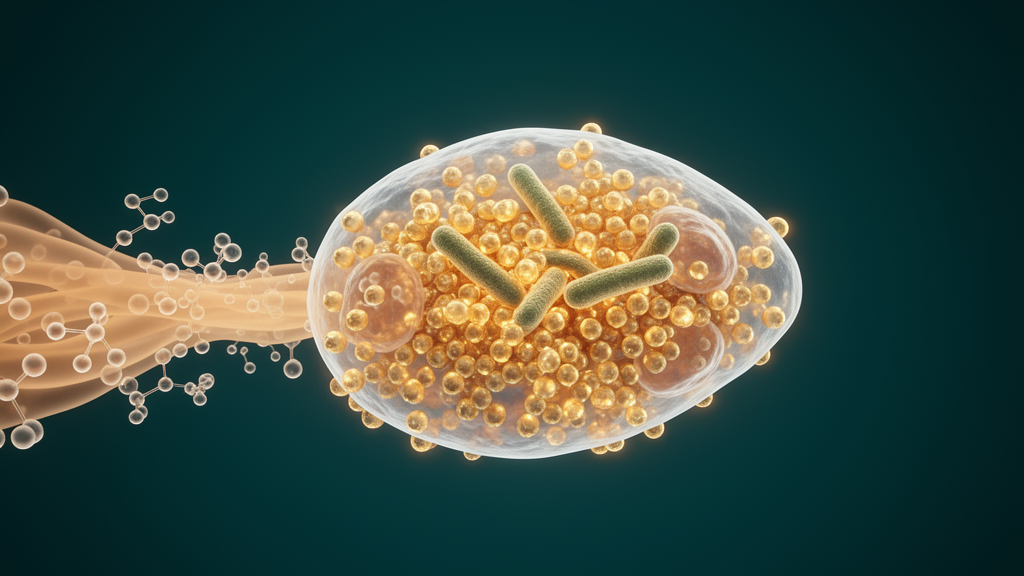
Image Credits: AI Generated
DOI: 10.3389/fcimb.2026.2008102
Keywords: Edwardsiella tarda, AuraAqua, organic acids, glutathione, oxidative stress, RTgill-W1, aquaculture, barrier integrity, NF-κB, cytotoxicity, tight junctions, inflammation
News Source: Kristina Jarvis. (October 26, 2026). Organic acid blend boosts cellular glutathione defence against Edwardsiella tarda. Scienmag.