• HOME
  • NEWS
  • EXPLORE
    • CAREER
      • Companies
      • Jobs
    • EVENTS
    • iGEM
      • News
      • Team
    • PHOTOS
    • VIDEO
    • WIKI
  • BLOG
  • COMMUNITY
    • FACEBOOK
    • INSTAGRAM
    • TWITTER
Sunday, May 17, 2026
BIOENGINEER.ORG
No Result
View All Result
  • Login
  • HOME
  • NEWS
  • EXPLORE
    • CAREER
      • Companies
      • Jobs
        • Lecturer
        • PhD Studentship
        • Postdoc
        • Research Assistant
    • EVENTS
    • iGEM
      • News
      • Team
    • PHOTOS
    • VIDEO
    • WIKI
  • BLOG
  • COMMUNITY
    • FACEBOOK
    • INSTAGRAM
    • TWITTER
  • HOME
  • NEWS
  • EXPLORE
    • CAREER
      • Companies
      • Jobs
        • Lecturer
        • PhD Studentship
        • Postdoc
        • Research Assistant
    • EVENTS
    • iGEM
      • News
      • Team
    • PHOTOS
    • VIDEO
    • WIKI
  • BLOG
  • COMMUNITY
    • FACEBOOK
    • INSTAGRAM
    • TWITTER
No Result
View All Result
Bioengineer.org
No Result
View All Result
Home NEWS Science News Biology

Novel research lays the groundwork for new therapies against sepsis

Bioengineer by Bioengineer
February 12, 2018
in Biology
Reading Time: 2 mins read
0
Share on FacebookShare on TwitterShare on LinkedinShare on RedditShare on Telegram
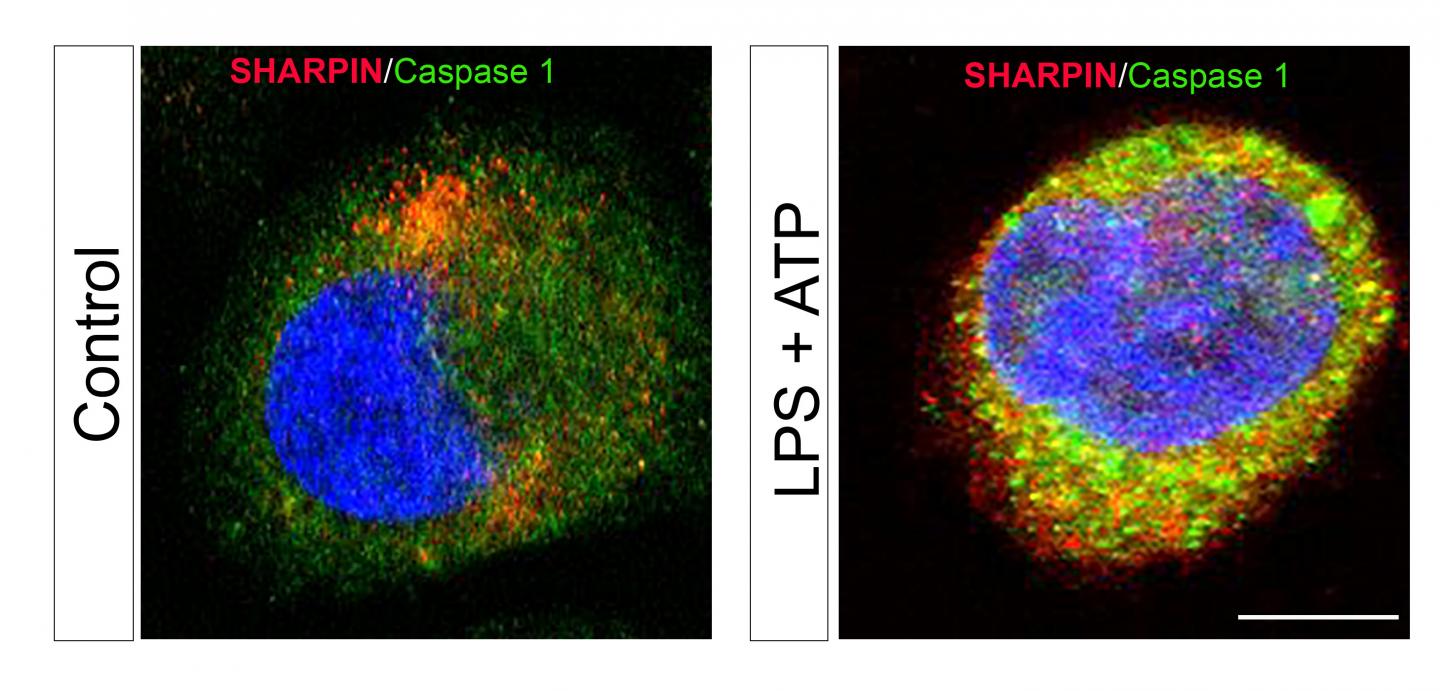
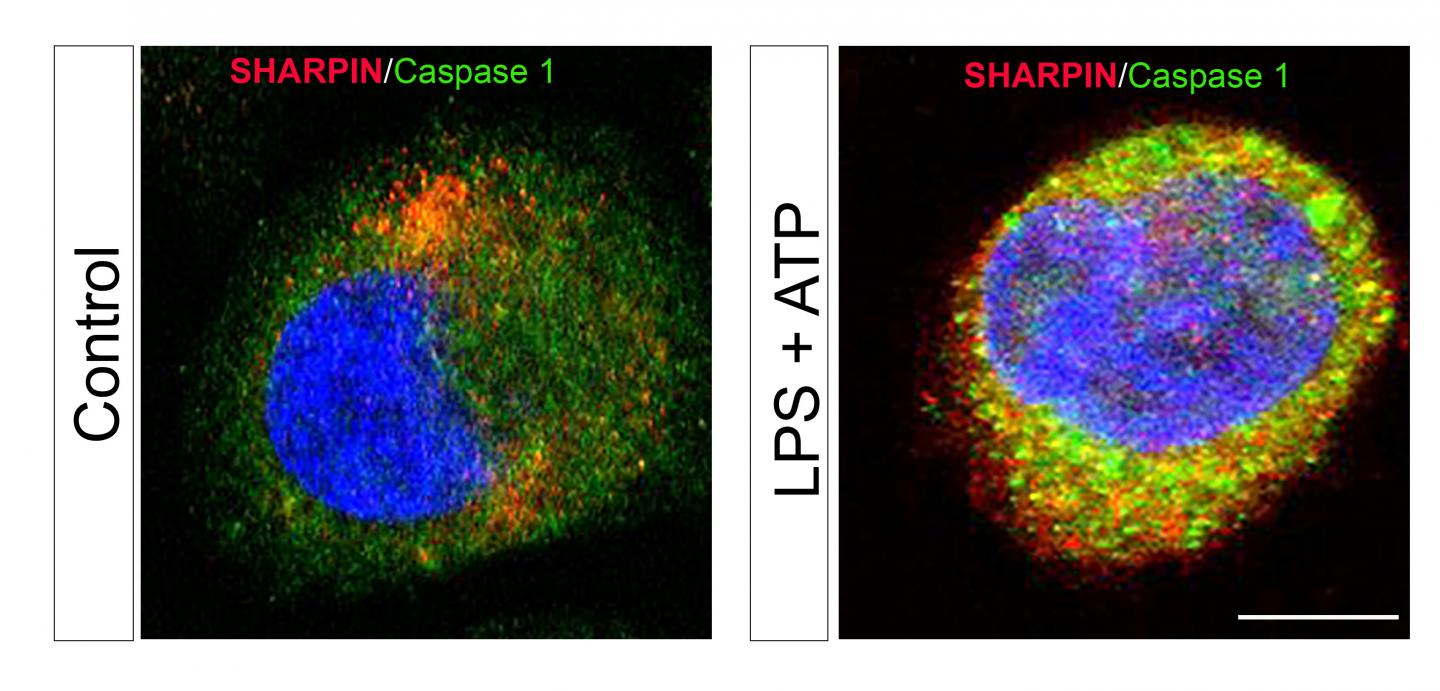
IMAGE

Philadelphia, PA, April 8, 2016 – Sepsis represents a serious complication of infection and is one of the leading causes of death and critical illness worldwide due in part to the lack of effective therapies. A report in the American Journal of Pathology provides evidence from both mouse and human studies that SHARPIN, a protein involved in regulating inflammation, has anti-septic effects. These findings may spur development of novel sepsis treatments.

"Sepsis has been linked to enhanced activity of the enzyme caspase 1 and aberrant expression of pro-inflammatory interleukins 1β and 18. SHARPIN binds to caspase 1 and inhibits its activation. Our study proposes that the caspase 1/SHARPIN interaction may be a key pharmacological target in sepsis and, perhaps, in other inflammatory conditions where SHARPIN is involved," explained Liliana Schaefer, MD, Professor of Pharmacology at the Institut fur Allgemeine Pharmakologie und Toxikologie of the Klinikum der Goethe-Universität Frankfurt am Main (Germany).

The investigators found that sepsis in mice bred to be deficient in SHARPIN resulted in enhanced levels of interleukins 1β and 18 and active caspase 1, as well as shortened survival. Treatment with a caspase 1 inhibitor reversed these effects by reducing levels of interleukins 1β and 18, decreasing cell death in the spleen, and prolonging survival.

The investigators also reported for the first time that this mechanism may be relevant to human sepsis. "We found a decline in SHARPIN levels in septic patients correlating with enhanced activation of caspase 1 in circulating mononuclear cells and an increase of interleukin1β/18 in the plasma," noted Dr. Schaefer. "Our findings suggest that using pharmacological caspase 1 inhibitors could be beneficial in septic patients with low SHARPIN levels and these therapies may be more efficient than other anti-inflammatory therapies."

A recent Task Force convened by the Society of Critical Care Medicine and the European Society of Intensive Care Medicine (JAMA 2016;315:801) define sepsis as "a life-threatening organ dysfunction caused by a dysregulated host response to infection." Septic shock comprises a subset of sepsis in which underlying circulatory and cellular metabolism abnormalities are severe enough to substantially increase the risk of death. Symptoms of sepsis include changes in body temperature, rapid heart rate, and rapid breathing. Other indicators are reduced urine output, changes in mental status, breathing difficulty, abdominal pain, and low platelet count.

###

Media Contact

Eileen Leahy
[email protected]
732-238-3628
@elseviernews

http://www.elsevierhealth.com
Share13Tweet8Share2ShareShareShare2

Related Posts

Uncovering C. elegans Immunity via Genetic Screens — Biology

Uncovering C. elegans Immunity via Genetic Screens

May 16, 2026
Single mother must adapt swiftly — the survival of her colony depends on it — Biology

Single mother must adapt swiftly — the survival of her colony depends on it

May 15, 2026

Why Are Nearly Everyone Right-Handed? It Might Be Linked to How We Learned to Walk

May 15, 2026

Excessive Neuronal Activity Initiates Severe Autoimmune Brain Disorder

May 15, 2026
Please login to join discussion

POPULAR NEWS

  • Research Indicates Potential Connection Between Prenatal Medication Exposure and Elevated Autism Risk

    844 shares
    Share 338 Tweet 211
  • New Study Reveals Plants Can Detect the Sound of Rain

    730 shares
    Share 291 Tweet 182
  • Salmonella Haem Blocks Macrophages, Boosts Infection

    62 shares
    Share 25 Tweet 16
  • Breastmilk Balances E. coli and Beneficial Bacteria in Infant Gut Microbiomes

    58 shares
    Share 23 Tweet 15

About

We bring you the latest biotechnology news from best research centers and universities around the world. Check our website.

Follow us

Recent News

Age Discrimination Affects Healthcare Use in India

Lavandula-Zn(II) Hybrid Shields Steel from Corrosion

Targeted Radiotherapy Extends Control of Early-Stage Breast Cancer Spread

Subscribe to Blog via Email

Enter your email address to subscribe to this blog and receive notifications of new posts by email.

Join 82 other subscribers
  • Contact Us

Bioengineer.org © Copyright 2023 All Rights Reserved.

Welcome Back!

Login to your account below

Forgotten Password?

Retrieve your password

Please enter your username or email address to reset your password.

Log In
No Result
View All Result
  • Homepages
    • Home Page 1
    • Home Page 2
  • News
  • National
  • Business
  • Health
  • Lifestyle
  • Science

Bioengineer.org © Copyright 2023 All Rights Reserved.