Recent advancements in genetic research have led to groundbreaking insights into the molecular mechanisms behind vascular anomalies, particularly capillary malformations. A significant contribution to this field is the study conducted by Smits, Marrs, and Cheng, alongside their team, which focuses on an endothelial-specific mouse model that facilitates the understanding of the Gnaq p.R183Q mutation. This mutation is pivotal for scientists looking to unravel the complexities associated with these malformations.
In their research, the team utilized cutting-edge genetic engineering techniques to develop a mouse model that specifically expresses the Gnaq p.R183Q mutation in endothelial cells. This innovative approach allows for precise observation of the physiological changes that occur as a direct result of this genetic modification. The significance of creating a model that isolates this mutation lies in the ability to study its impact without the confounding variables present in more generalized genetic backgrounds.
Endothelial cells play a crucial role in maintaining vascular integrity and function. When mutated, as seen with Gnaq p.R183Q, these cells can drive pathological outcomes, including capillary malformations. The model developed in this study serves as a valuable tool for deciphering the specific cellular pathways affected by the mutation. Researchers can observe how these alterations contribute to the formation and persistence of abnormal capillary structures, giving insight into potential therapeutic targets for related conditions.
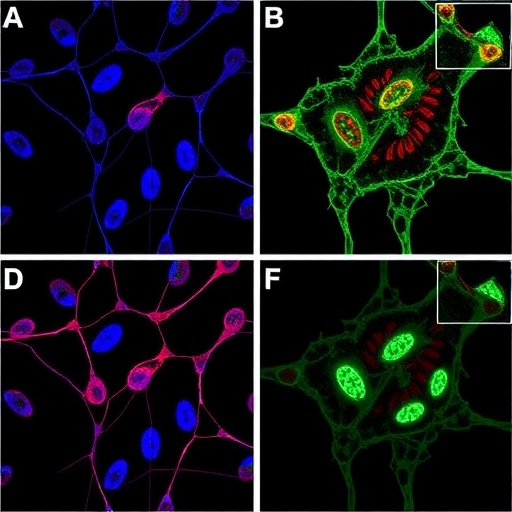
Employing sophisticated imaging techniques, the authors documented the aberrant vascular patterns typical of capillary malformations in their mouse model. These observations were substantiated by various analyses, including histological examinations and functional assays. The ability to visualize and quantify the effects of the Gnaq p.R183Q mutation on the vasculature provides compelling evidence of the mutation’s role in disease pathology.
Furthermore, the findings indicate the importance of the Gnaq gene not only in typical vascular development but also in the maintenance of vascular homeostasis. Disruptions to the Gnaq signaling pathways can lead to significant derangements in endothelial function, promoting the growth of abnormal capillaries and, in some cases, instigating further vascular complications. These revelations underscore the broader implications of targeting the Gnaq pathway in preventing or mitigating the effects of capillary malformations.
In addition to generating a better understanding of the biological effects of the Gnaq p.R183Q mutation, the mouse model offers a platform for testing future therapeutic interventions. As researchers strive to develop effective treatments for vascular anomalies, this model provides a critical testing ground. By assessing the efficacy of potential drugs or genetic therapies within this controlled setting, scientists can better tailor their approaches to target the specific pathways perturbed by the mutation.
Another noteworthy aspect of this study is its potential to facilitate the exploration of other mutations within the Gnaq gene or related pathways that may contribute to similar vascular anomalies. By establishing a framework through which these mutations can be investigated, the authors have opened avenues for further research. The intersection of genetics and vascular biology can thus be deeply explored, revealing helpfully interrelated pathways that modulate endothelial behavior.
The collaborative nature of the study, involving expertise from various disciplines, emphasizes the importance of multidisciplinary approaches in addressing complex biomedical questions. Combining elements of developmental biology, genetics, and clinical applications fosters a holistic understanding of conditions like capillary malformations. Each researcher contributes a unique perspective, illustrating the power of teamwork in advancing scientific knowledge.
As the body of literature surrounding dysregulation in vascular development continues to expand, the implications of this research stretch beyond capillary malformations. Understanding the mechanisms influenced by Gnaq mutations can enhance our grasp of broader cardiovascular diseases and conditions characterized by vascular abnormalities. With the overarching goal of developing targeted therapies, these insights could potentially lead to novel treatments that significantly alter disease trajectories.
Throughout the study, emphasis on precise quantification and rigorous methodologies strengthens the findings reported. Such attention to detail ensures that the results can be reproducible and serves as a benchmark for future investigations into similar topics. The methodologies employed could be extrapolated to study other mutations, further cementing the relevance of the Gnaq p.R183Q mouse model as a standard tool in vascular research.
In conclusion, the innovative endothelial-specific mouse model developed by Smits and colleagues offers profound potential for illuminating the pathophysiology of capillary malformations driven by the Gnaq p.R183Q mutation. Through meticulous experimentation and analysis, the authors have demonstrated the importance of this genetic alteration in influencing endothelial function and vascular structure. Their findings not only advance the scientific understanding of vascular anomalies but also pave the way for future therapeutic strategies aimed at ameliorating these challenging conditions. As research continues to evolve, this model will undoubtedly contribute to significant advancements in the field of vascular biology and beyond.
With this study serving as a cornerstone for both current and future work in the discipline, it underscores the necessity for continued exploration into the genetic underpinnings of vascular anomalies. As researchers delve deeper into the molecular impacts of mutations such as Gnaq p.R183Q, the dream of developing effective, targeted therapies for affected individuals becomes increasingly tangible.
The convergence of genetic research and clinical application has never been more crucial in the quest to develop our understanding of complex diseases. The foundational work laid by these researchers is a testament to the potential impact that carefully designed animal models can have on improving healthcare outcomes.
This research serves as an inspiration for the scientific community, igniting the curiosity necessary to explore uncharted territories in genomics and vascular pathobiology. As we stand at this exciting frontier, the hope is that solutions will emerge not just for the individuals affected by capillary malformations, but for the broader spectrum of vascular diseases waiting to be explored and treated.
Subject of Research: Endothelial-specific role of Gnaq p.R183Q mutation in capillary malformations
Article Title: An endothelial specific mouse model for the capillary malformation mutation Gnaq p.R183Q.
Article References: Smits, P., Marrs, L., Cheng, Y.S. et al. An endothelial specific mouse model for the capillary malformation mutation Gnaq p.R183Q. Angiogenesis 28, 33 (2025). https://doi.org/10.1007/s10456-025-09986-4
Image Credits: AI Generated
DOI: https://doi.org/10.1007/s10456-025-09986-4
Keywords: Capillary malformation, Gnaq p.R183Q mutation, endothelial cells, mouse model, vascular biology, genetics, therapeutic strategies.
Tags: advancements in genetic researchcapillary malformation studiesendothelial-specific mouse modelgenetic engineering techniques in researchGnaq p.R183Q mutation researchimplications of Gnaq mutationinsights into capillary malformationsmodel for studying vascular integritypathological outcomes of endothelial mutationsphysiological changes in endothelial cellsunderstanding vascular anomaliesvascular anomaly mechanisms