

• HOME
  • NEWS
  • EXPLORE
    • CAREER
      • Companies
      • Jobs
    • EVENTS
    • iGEM
      • News
      • Team
    • PHOTOS
    • VIDEO
    • WIKI
  • BLOG
  • COMMUNITY
    • FACEBOOK
    • INSTAGRAM
    • TWITTER
Tuesday, May 19, 2026
BIOENGINEER.ORG
No Result
View All Result
  • Login
  • HOME
  • NEWS
  • EXPLORE
    • CAREER
      • Companies
      • Jobs
        • Lecturer
        • PhD Studentship
        • Postdoc
        • Research Assistant
    • EVENTS
    • iGEM
      • News
      • Team
    • PHOTOS
    • VIDEO
    • WIKI
  • BLOG
  • COMMUNITY
    • FACEBOOK
    • INSTAGRAM
    • TWITTER
  • HOME
  • NEWS
  • EXPLORE
    • CAREER
      • Companies
      • Jobs
        • Lecturer
        • PhD Studentship
        • Postdoc
        • Research Assistant
    • EVENTS
    • iGEM
      • News
      • Team
    • PHOTOS
    • VIDEO
    • WIKI
  • BLOG
  • COMMUNITY
    • FACEBOOK
    • INSTAGRAM
    • TWITTER
No Result
View All Result
Bioengineer.org
No Result
View All Result
Home NEWS Science News Biology

No fish story! Research finds marine reserves sustain broader fishing efforts

Bioengineer by Bioengineer
March 6, 2018
in Biology
Reading Time: 2 mins read
0
Share on FacebookShare on TwitterShare on LinkedinShare on RedditShare on Telegram
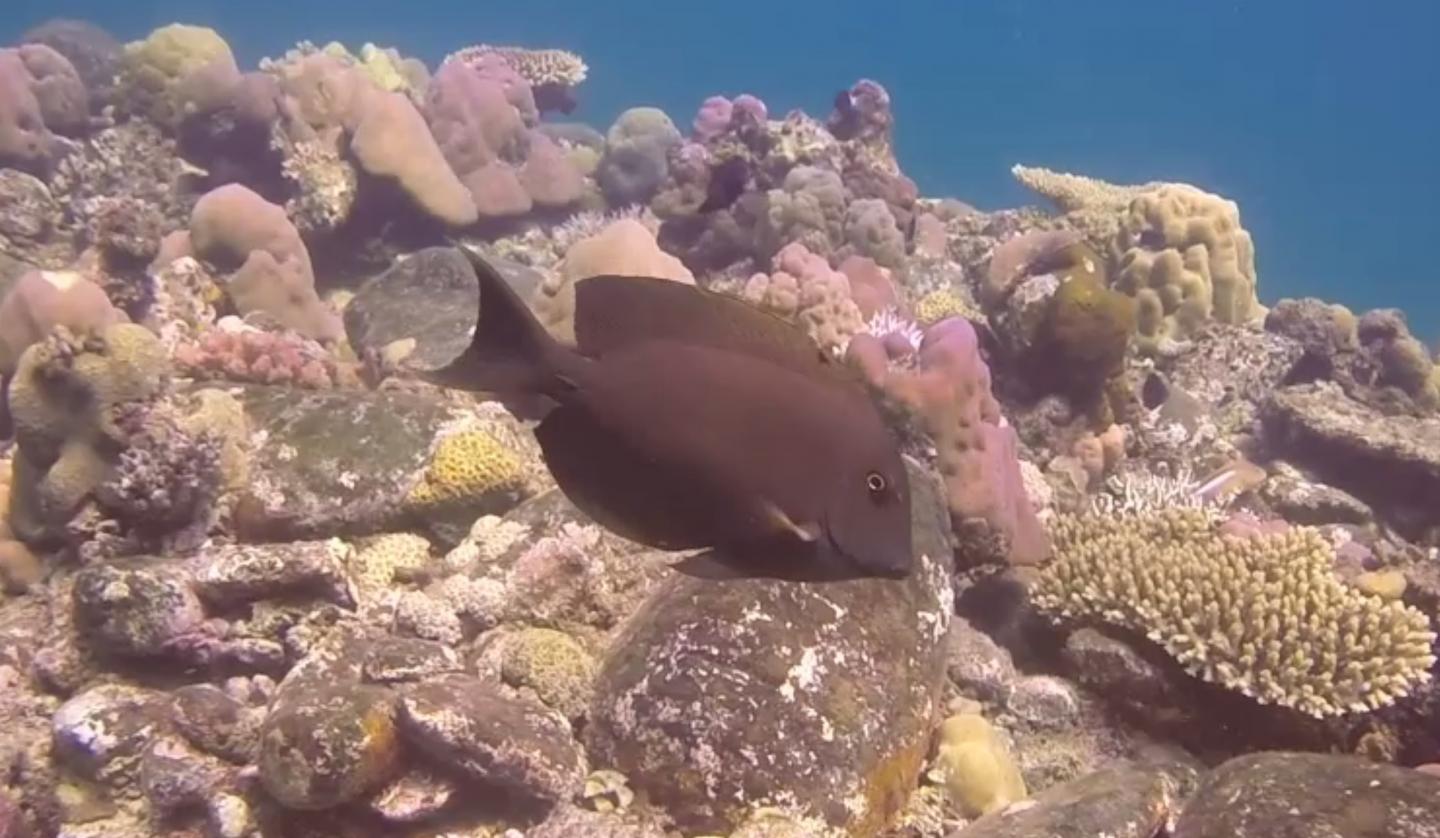
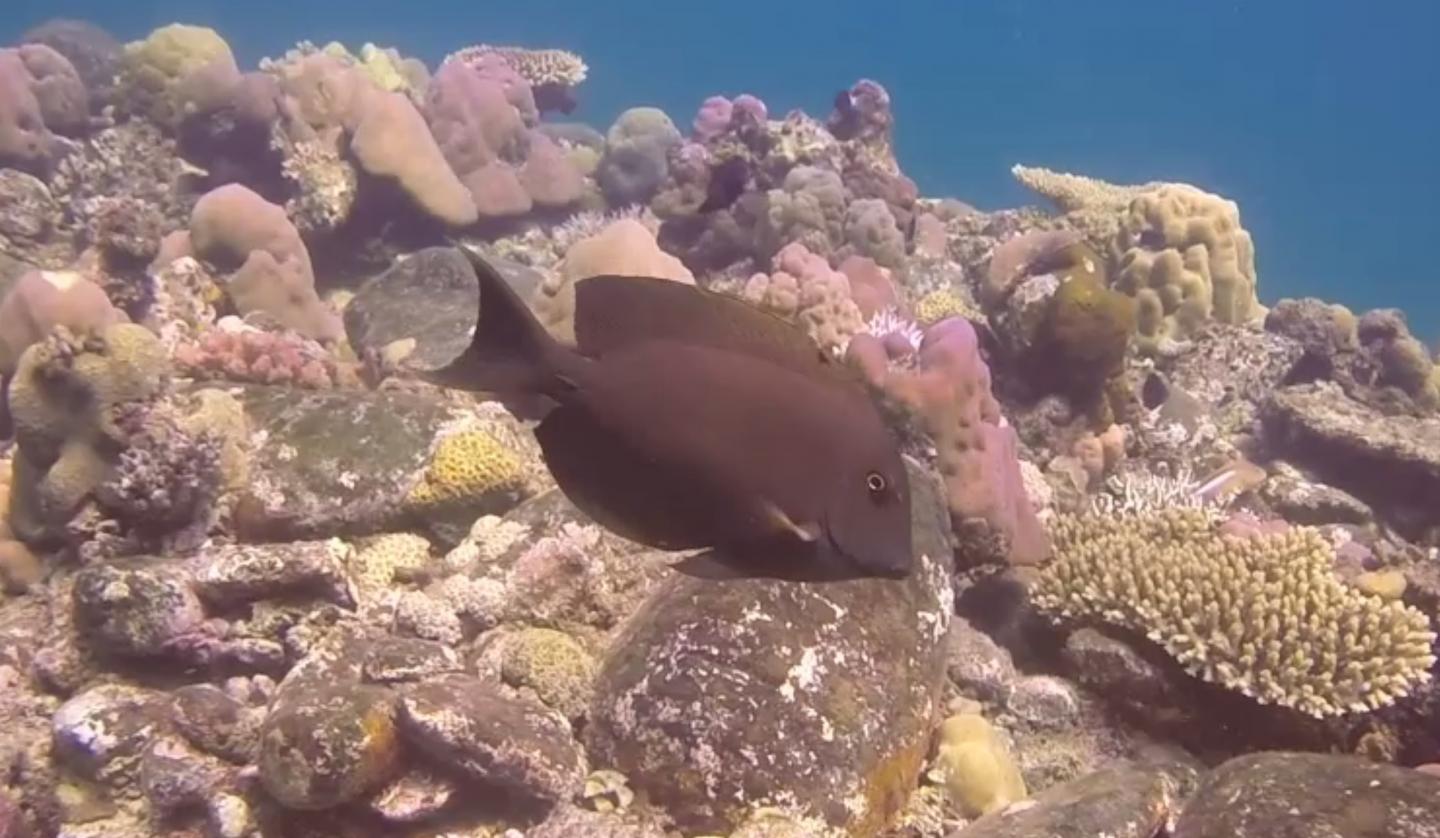
IMAGE

Credit: Florida Institute of Technology

MELBOURNE, FLA. — New research from Florida Institute of Technology finds that fish born in marine reserves where fishing is prohibited grow to be larger, healthier and more successful at reproduction.

The findings, recently published in the online journal Plos One, highlight the positive impact of a tool of fisheries management that has long been a source of frustration and concern for fishermen, who believe such restrictions impinge on their livelihood.

In their examination of marine reserves, also known as marine protected areas or MPAs, around coral reefs in the Philippines, Robert Fidler, a Fulbright scholar who recently received his Ph.D. from Florida Institute of Technology, and his major professor, Fulbright faculty scholar Ralph Turingan, found evidence that MPAs in fact helped to produce and maintain the more desirable large-bodied and older fish within populations that have been fished by local fishermen for centuries.

"The first reaction to marine reserves by local users is traditionally, 'You close all of these fishing areas and we can't fish anymore in there,'" Turingan said. "That is the wrong way to think. These MPAs are actually important is sustaining fishing activities."

And, Turingan added, "Our evidence shows this is a long-term thing."

Fidler, Turingan and their collaborators found that key life-history traits in three coral-reef fishes – maximum length, growth rate, and body size and age at sexual maturity – are significantly improved in the brown surgeonfish, lined bristletooth and manybar goatfish living within MPAs compared with the same species outside of MPAs.

Because fishing removes the largest fish, heavy fishing on coral reefs drives the fish to mature at younger ages and smaller sizes.

Small fish have fewer, smaller eggs that, if they survive to hatching, produce weaker fish. By contrast, larger fish produce higher quality eggs, and more of them, which in turn produce healthier fish that grow larger and reproduce more, and the cycle continues.

The researchers found that the more robust fish naturally migrate from the MPAs to the fished areas, where they can be harvested by fishermen.

"It's like raising them in aquaculture and putting them back, but this is more natural way of replenishing depleted stocks," Turingan said.

Though their findings were based on studies of coral reef fish in the Philippines, Fidler and Turingan predicted the results could be replicated wherever marine reserves are established on coral reefs.

###

Media Contact

Adam Lowenstein
[email protected]
321-674-8964

http://www.fit.edu

Original Source

https://newsroom.fit.edu/2018/03/06/research-finds-marine-reserves-sustain-broader-fishing-efforts/ http://dx.doi.org/10.1371/journal.pone.0193426


Share12Tweet7Share2ShareShareShare1

Related Posts

New Insights into How Smoking Causes Lung Stiffness — Biology

New Insights into How Smoking Causes Lung Stiffness

May 19, 2026
Breakthrough Cancer Treatment Effective Across All Organ Types — Biology

Breakthrough Cancer Treatment Effective Across All Organ Types

May 18, 2026

Butyrate Alleviates Temporomandibular Joint Pain via Epigenetic Mechanisms

May 18, 2026

How Hibernation Impacts Visual Processing in Squirrels’ Brains

May 18, 2026
Please login to join discussion

POPULAR NEWS

  • Research Indicates Potential Connection Between Prenatal Medication Exposure and Elevated Autism Risk

    845 shares
    Share 338 Tweet 211
  • New Study Reveals Plants Can Detect the Sound of Rain

    731 shares
    Share 292 Tweet 182
  • Salmonella Haem Blocks Macrophages, Boosts Infection

    62 shares
    Share 25 Tweet 16
  • Breastmilk Balances E. coli and Beneficial Bacteria in Infant Gut Microbiomes

    58 shares
    Share 23 Tweet 15

About

We bring you the latest biotechnology news from best research centers and universities around the world. Check our website.

Follow us

Recent News

Persistent Inequities Continue to Impact Cardiovascular Disease Burden and Care

New Insights into How Smoking Causes Lung Stiffness

Leveraging Technology to Enhance Emergency Response for Cardiac and Stroke Cases

Subscribe to Blog via Email

Enter your email address to subscribe to this blog and receive notifications of new posts by email.

Join 82 other subscribers
  • Contact Us

Bioengineer.org © Copyright 2023 All Rights Reserved.

Welcome Back!

Login to your account below

Forgotten Password?

Retrieve your password

Please enter your username or email address to reset your password.

Log In
No Result
View All Result
  • Homepages
    • Home Page 1
    • Home Page 2
  • News
  • National
  • Business
  • Health
  • Lifestyle
  • Science

Bioengineer.org © Copyright 2023 All Rights Reserved.