A new national survey of Native American adults suggests that many have not yet been reached by evidence-based dietary guidance for type 2 diabetes prevention and reversal, despite the disproportionate burden of the disease in Indigenous communities. The findings, released by the Physicians Committee for Responsible Medicine (PCRM) using polling conducted by Morning Consult, highlight a critical communication gap between clinical nutrition research and everyday public understanding.
Across the United States, Indigenous people face entrenched health inequities. Data from the Kaiser Family Foundation show a lower life expectancy for Native Americans compared with the overall U.S. population, alongside elevated rates of diabetes and obesity. These risk factors contribute to a higher prevalence of chronic illness and underscore the urgency of prevention strategies that are both effective and feasible at community level.
The survey indicates that only 13% of respondents are aware that a low-fat, plant-based diet has been shown to improve glycemic control and help prevent—or even reverse—type 2 diabetes. This low awareness is notable given the high prevalence of diabetes risk and points to the need for tailored, culturally grounded health messaging rather than one-size-fits-all recommendations.
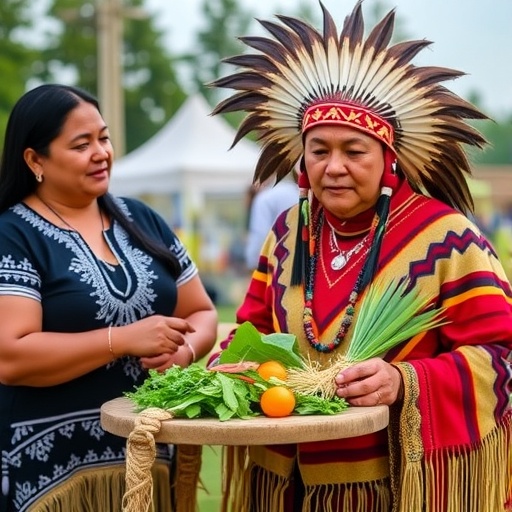
Importantly, the results also show strong openness to dietary changes anchored in traditional foods. After respondents learned that whole-food, plant-based approaches centered on Indigenous staples—such as corn, beans, and squash from the “Three Sisters”—can support weight management and improve cardiometabolic outcomes, 78% said they would be willing to try such a diet if it were affordable, accessible, and culturally appropriate.
The study’s implications extend beyond nutrition knowledge. Many participants reported urgent health concerns, with mental health and hypertension among the most frequently cited issues. A psychiatrist involved with PCRM’s Native Food for Life program suggested that group-based support, delivered through culturally relevant formats such as community “talking circles,” could strengthen both acceptability and outcomes.
To translate the survey into practice, PCRM and Navajo Nation partners plan to refine the Native Food for Life program. The initiative aims to help participants return to traditional plant-based diets through education and community support, targeting weight loss, improved metabolic health, and broader wellbeing.
The poll was conducted online May 12–20, 2026, among 156 Native American adults. Results were weighted to reflect the U.S. Native American adult population and carry a margin of error of ±8 percentage points.
Overall, the survey frames viral-newsworthy momentum for prevention: evidence-based dietary interventions may be reaching the wrong audience, while culturally resonant approaches appear highly receptive—creating a direct pathway for public health messaging that can move faster than clinical uptake alone.
Subject of Research: People (Native American adults)
News Publication Date: 2026 (May 12–20, 2026 survey period mentioned)
Web References: https://pcrm.widen.net/s/htrvdhmvzh/pcrm_native-american-poll_report
References: diabetesjournals.org (low-fat vegan diet glycemic control study cited); kff.org (life expectancy and diabetes prevalence data)
Keywords: Diabetes, Native American health, Plant-based diet, Type 2 diabetes prevention, Traditional foods, Glycemic control, Obesity