• HOME
  • NEWS
  • EXPLORE
    • CAREER
      • Companies
      • Jobs
    • EVENTS
    • iGEM
      • News
      • Team
    • PHOTOS
    • VIDEO
    • WIKI
  • BLOG
  • COMMUNITY
    • FACEBOOK
    • INSTAGRAM
    • TWITTER
Sunday, May 17, 2026
BIOENGINEER.ORG
No Result
View All Result
  • Login
  • HOME
  • NEWS
  • EXPLORE
    • CAREER
      • Companies
      • Jobs
        • Lecturer
        • PhD Studentship
        • Postdoc
        • Research Assistant
    • EVENTS
    • iGEM
      • News
      • Team
    • PHOTOS
    • VIDEO
    • WIKI
  • BLOG
  • COMMUNITY
    • FACEBOOK
    • INSTAGRAM
    • TWITTER
  • HOME
  • NEWS
  • EXPLORE
    • CAREER
      • Companies
      • Jobs
        • Lecturer
        • PhD Studentship
        • Postdoc
        • Research Assistant
    • EVENTS
    • iGEM
      • News
      • Team
    • PHOTOS
    • VIDEO
    • WIKI
  • BLOG
  • COMMUNITY
    • FACEBOOK
    • INSTAGRAM
    • TWITTER
No Result
View All Result
Bioengineer.org
No Result
View All Result
Home Headlines

New Tulane University drug effective against malaria

Bioengineer.org by Bioengineer.org
January 26, 2018
in Headlines, Health, Science News
Reading Time: 2 mins read
0
Share on FacebookShare on TwitterShare on LinkedinShare on RedditShare on Telegram
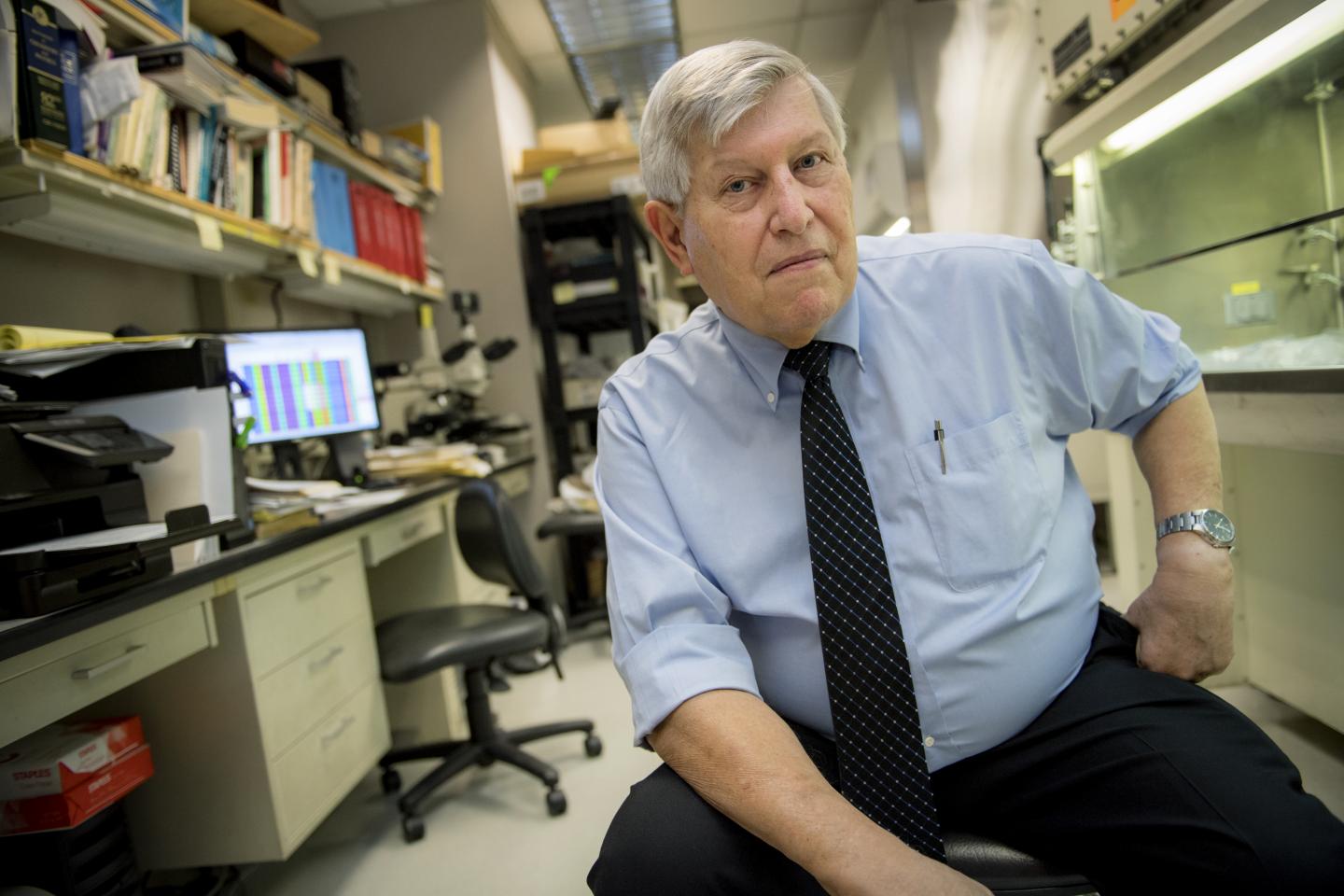
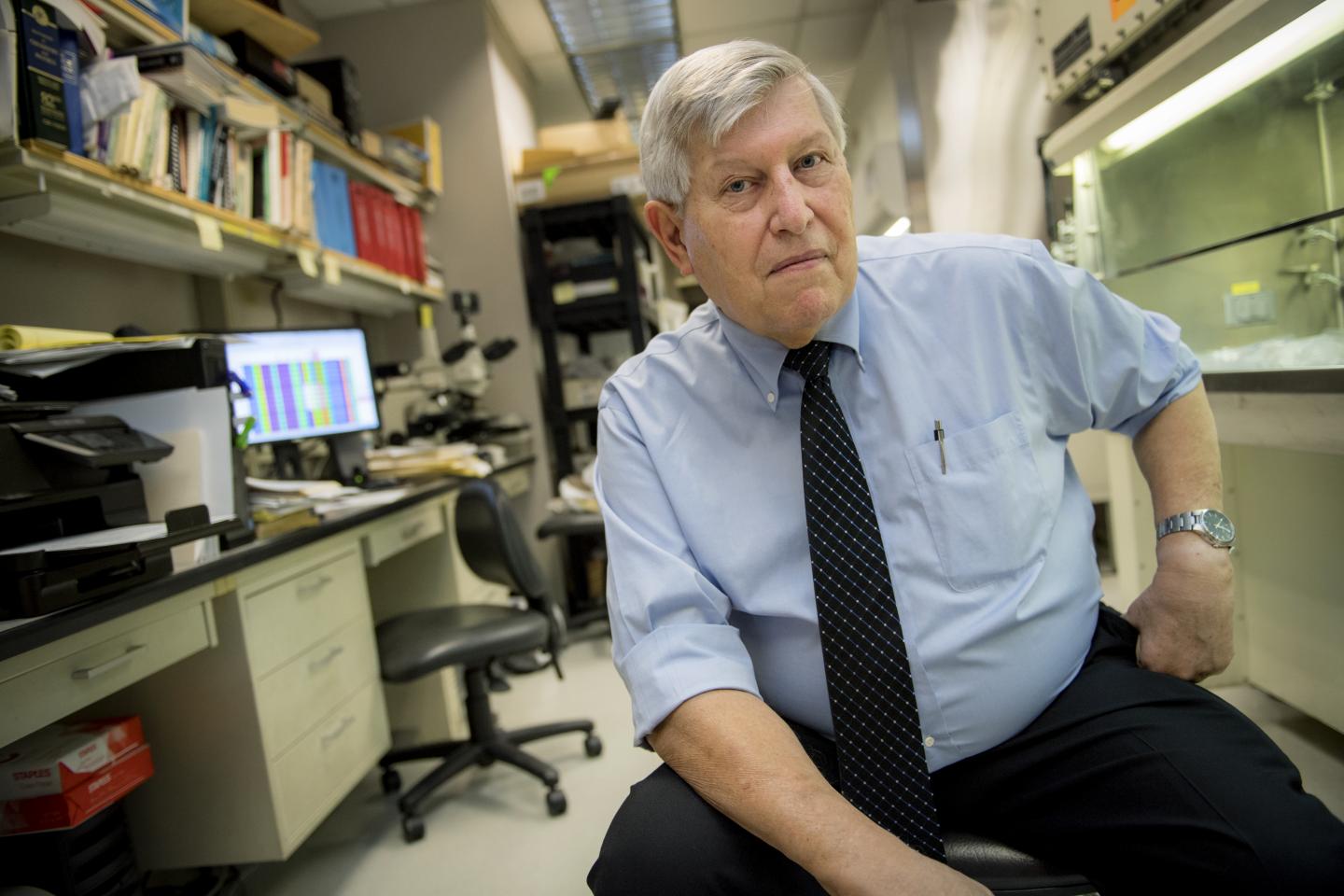
IMAGE

Credit: Tulane University/Paula Burch-Celentano

Tulane University researchers have developed a new drug that is effective against non-severe cases of malaria, according to results from an FDA-supervised clinical trial published in the latest issue of The Lancet Infectious Diseases.

The results are significant as public health experts have long warned that the parasite responsible for most malaria cases, Plasmodium falciparum, is developing resistance to widely used treatments. New medications are needed to build up secondary defenses against drug-resistant strains of the parasite.

The drug, called AQ-13, was able to clear the parasite responsible for the disease within a week, matching the effectiveness of the most widely used treatment regimen.

"The clinical trial results are extraordinarily encouraging," said Dr. Donald Krogstad, senior author and professor of tropical medicine at Tulane University School of Public Health and Tropical Medicine. "Compared to the current first-line recommendation for treatment of malaria, the new drug comes out very well."

Mosquitoes infected by a parasite spread malaria, causing more than 200 million illnesses across the globe and more than 400,000 deaths annually. For decades, chloroquine was used to treat malaria until Plasmodium falciparum developed resistance. Now, a drug combination — artemether and lumefantrine — is the primary treatment for malaria although resistance is also developing to the drug combination in some countries.

Researchers recruited 66 adult men in Mali with uncomplicated malaria, which is defined as malaria that isn't life threatening. Half were treated with AQ-13 and the other half received artemether and lumefantrine. Both drug groups had similar cure rates. However, five participants in AQ-13 group left the study or were lost to follow-up and two participants in the artemether/lumefantrine group had late treatment failures with recurrence of their original infections.

Researchers hope to expand testing of the drug to more participants, including women and children, before it can be widely recommended as a new treatment. Krogstad said that the same biotechnology that helped the team develop the new drug has also identified similar drugs that also hold promise against drug-resistant parasites.

"The potential long-term implications are bigger than one drug," he said. "The conceptual step here is that if you understand the resistance well enough, you may be actually be able to develop others as well. We synthesized over 200 analogues and, of those, 66 worked against the resistant parasites."

###

Co-authors of the study include collaborators from the University of Bamako and Tulane investigators Dr. David Mushatt, Dr. Asif Anwar, Frances J. Mather, Jeffrey G. Shaffer, Haiyan Miller and Trevor Thompson.

Media Contact

Keith Brannon
[email protected]
504-862-8789
@TulaneNews

http://www.tulane.edu

Share12Tweet8Share2ShareShareShare2

Related Posts

Noncanonical Sulfur Metabolism, Immunity Altered in Down Syndrome — Technology and Engineering

Noncanonical Sulfur Metabolism, Immunity Altered in Down Syndrome

May 17, 2026

Physical Resilience Linked to Aging Views in Chinese Elders

May 17, 2026

Tau T205 Phosphorylation Controls Memory and Engrams

May 17, 2026

Phocaeicola dorei Eases Liver Fibrosis via Efferocytosis

May 17, 2026
Please login to join discussion

POPULAR NEWS

  • Research Indicates Potential Connection Between Prenatal Medication Exposure and Elevated Autism Risk

    844 shares
    Share 338 Tweet 211
  • New Study Reveals Plants Can Detect the Sound of Rain

    730 shares
    Share 291 Tweet 182
  • Salmonella Haem Blocks Macrophages, Boosts Infection

    62 shares
    Share 25 Tweet 16
  • Breastmilk Balances E. coli and Beneficial Bacteria in Infant Gut Microbiomes

    58 shares
    Share 23 Tweet 15

About

We bring you the latest biotechnology news from best research centers and universities around the world. Check our website.

Follow us

Recent News

Noncanonical Sulfur Metabolism, Immunity Altered in Down Syndrome

Physical Resilience Linked to Aging Views in Chinese Elders

Tau T205 Phosphorylation Controls Memory and Engrams

Subscribe to Blog via Email

Enter your email address to subscribe to this blog and receive notifications of new posts by email.

Join 82 other subscribers
  • Contact Us

Bioengineer.org © Copyright 2023 All Rights Reserved.

Welcome Back!

Login to your account below

Forgotten Password?

Retrieve your password

Please enter your username or email address to reset your password.

Log In
No Result
View All Result
  • Homepages
    • Home Page 1
    • Home Page 2
  • News
  • National
  • Business
  • Health
  • Lifestyle
  • Science

Bioengineer.org © Copyright 2023 All Rights Reserved.