• HOME
  • NEWS
  • EXPLORE
    • CAREER
      • Companies
      • Jobs
    • EVENTS
    • iGEM
      • News
      • Team
    • PHOTOS
    • VIDEO
    • WIKI
  • BLOG
  • COMMUNITY
    • FACEBOOK
    • INSTAGRAM
    • TWITTER
Wednesday, June 10, 2026
BIOENGINEER.ORG
No Result
View All Result
  • Login
  • HOME
  • NEWS
  • EXPLORE
    • CAREER
      • Companies
      • Jobs
        • Lecturer
        • PhD Studentship
        • Postdoc
        • Research Assistant
    • EVENTS
    • iGEM
      • News
      • Team
    • PHOTOS
    • VIDEO
    • WIKI
  • BLOG
  • COMMUNITY
    • FACEBOOK
    • INSTAGRAM
    • TWITTER
  • HOME
  • NEWS
  • EXPLORE
    • CAREER
      • Companies
      • Jobs
        • Lecturer
        • PhD Studentship
        • Postdoc
        • Research Assistant
    • EVENTS
    • iGEM
      • News
      • Team
    • PHOTOS
    • VIDEO
    • WIKI
  • BLOG
  • COMMUNITY
    • FACEBOOK
    • INSTAGRAM
    • TWITTER
No Result
View All Result
Bioengineer.org
No Result
View All Result
Home NEWS Science News Biology

New tool improves beekeepers’ overwintering odds and bottom line

Bioengineer by Bioengineer
September 18, 2019
in Biology
Reading Time: 3 mins read
0
IMAGE
Share on FacebookShare on TwitterShare on LinkedinShare on RedditShare on Telegram

IMAGE

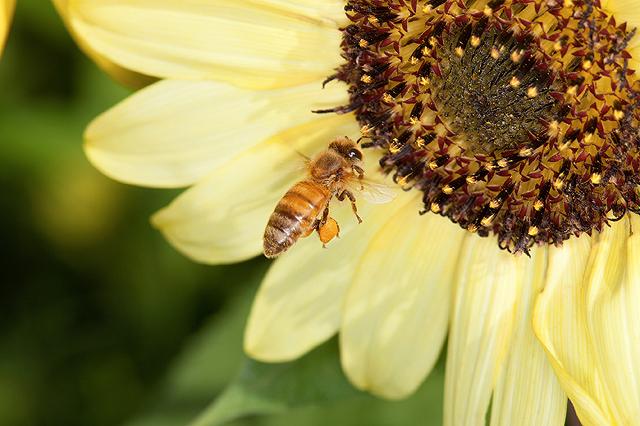
Credit: ARS-USDA

TUCSON, ARIZONA, September 18, 2019–A new tool from the Agricultural Research Service (ARS) can predict the odds that honey bee colonies overwintered in cold storage will be large enough to rent for almond pollination in February. Identifying which colonies will not be worth spending dollars to overwinter can improve beekeepers’ bottom line.

Beekeepers have been losing an average of 30 percent of overwintered colonies for nearly 15 years. It is expensive to overwinter colonies in areas where winter temperatures stay above freezing. So a less expensive practice of overwintering bee colonies in cold storage is becoming popular.

This new tool calculates the probability of a managed honey bee colony surviving the winter based on two measurements: the size of colony and the percent varroa mite infestation in September, according to ARS entomologist Gloria DeGrandi-Hoffman, who headed the team. DeGrandi-Hoffman is research leader of the ARS Carl Hayden Bee Research Center in Tucson, Arizona.

By consulting the probability table for the likelihood of a colony having a minimum of six frames of bees–the number required for a colony to be able to fulfill a pollination contract for almond growers come February–beekeepers can decide in September if it is economically worthwhile to overwinter the colony in cold storage.

“The size of a colony in late summer or early fall can be deceiving with respect to its chances of making it through the winter. Even large colonies with more than 12 frames of bees (about 30,000 bees) have less than a 0.5 probability (50 percent chance) of being suitable for almond pollination if they have 5 or more mites per 100 bees in September,” DeGrandi-Hoffman said.

Even with this cost-cutting help, the research team found that revenue from pollination contracts by itself is not likely to provide a sustainable income to a beekeeper anymore. They followed 190 honey bee colonies and recorded all costs.

Considerable resources were expended to feed colonies and on varroa mite and pathogen control. Costs were about $200 per colony.

Almond pollination contracts paid an average of $190 per colony in 2019.

One way for beekeepers to remain economically viable as a business, is to produce a honey crop from their bees. This is most often facilitated by moving colonies to the Northern Great Plains where bees can forage for nectar and pollen from a wide variety flowering plants.

“The situation has changed a lot. It is more expensive to manage honey bees with costs to feed colonies when flowers are not available and to control varroa mites. And it is more difficult to find places for honey bee colonies that provide the diverse nutrition they need,” said DeGrandi-Hoffman. “Pollination revenue alone is just not adequate for beekeepers to stay in business. But we need beekeepers because managed bees are a lynchpin in agricultural production today.”

Successfully using cold storage will help beekeepers’ bottom line, but we are really just learning what the best management practices should be with cold storage,” she added.

###

This work was published in the Journal of Economic Entomology.

The Agricultural Research Service is the U.S. Department of Agriculture’s chief scientific in-house research agency. Daily, ARS focuses on solutions to agricultural problems affecting America. Each dollar invested in agricultural research results in $20 of economic impact.

Media Contact
Kim Kaplan
[email protected]

Original Source

https://www.ars.usda.gov/news-events/news/research-news/2019/new-tool-improves-beekeepers-overwintering-odds-and-bottom-line/

Tags: Agricultural Production/EconomicsAgricultureBiologyEarth ScienceEcology/EnvironmentEntomologyGeographyTemperature-Dependent Phenomena
Share12Tweet8Share2ShareShareShare2

Related Posts

Nanjing University Team Pioneers Novel Targeted Therapy for EGFR-Driven Tumors Utilizing IVSA Technology — Biology

Nanjing University Team Pioneers Novel Targeted Therapy for EGFR-Driven Tumors Utilizing IVSA Technology

June 9, 2026
IGTP Study Uncovers Key Mechanism Controlling Anti-Inflammatory Function of Extracellular Vesicles — Biology

IGTP Study Uncovers Key Mechanism Controlling Anti-Inflammatory Function of Extracellular Vesicles

June 9, 2026

University of Ottawa Researchers Reveal Hidden Network Driving Aggressive Brain Cancer Growth, Offering New Hope to Overcome Treatment Resistance

June 9, 2026

Scientists Uncover How Savanna Chimpanzees Hunt and Feed on Army Ants

June 9, 2026
Please login to join discussion

POPULAR NEWS

  • ESMO 2025: mRNA COVID Vaccines Enhance Efficacy of Cancer Immunotherapy

    324 shares
    Share 130 Tweet 81
  • Saying Goodbye to PGY-6: Pediatric Fellowship Realities

    89 shares
    Share 36 Tweet 22
  • Multi-Hospital Study Reveals Long Covid Burden Is Twice as High as Current Estimates

    89 shares
    Share 35 Tweet 22
  • Common Food Preservatives Associated with Elevated Blood Pressure and Increased Heart Disease Risk

    58 shares
    Share 23 Tweet 15

About

We bring you the latest biotechnology news from best research centers and universities around the world. Check our website.

Follow us

Recent News

Mayo Clinic Uncovers Hidden Biology Behind Common Brain Tumors

On-Resin Assembly Enables Precise Antibody Bioconjugation

Intelligent Loom Control Drives FOC Algorithm Integration

Subscribe to Blog via Email

Enter your email address to subscribe to this blog and receive notifications of new posts by email.

Join 82 other subscribers
  • Contact Us

Bioengineer.org © Copyright 2023 All Rights Reserved.

Welcome Back!

Login to your account below

Forgotten Password?

Retrieve your password

Please enter your username or email address to reset your password.

Log In
No Result
View All Result
  • Homepages
    • Home Page 1
    • Home Page 2
  • News
  • National
  • Business
  • Health
  • Lifestyle
  • Science

Bioengineer.org © Copyright 2023 All Rights Reserved.