• HOME
  • NEWS
  • EXPLORE
    • CAREER
      • Companies
      • Jobs
    • EVENTS
    • iGEM
      • News
      • Team
    • PHOTOS
    • VIDEO
    • WIKI
  • BLOG
  • COMMUNITY
    • FACEBOOK
    • INSTAGRAM
    • TWITTER
Saturday, November 7, 2026
BIOENGINEER.ORG
No Result
View All Result
  • Login
  • HOME
  • NEWS
  • EXPLORE
    • CAREER
      • Companies
      • Jobs
        • Lecturer
        • PhD Studentship
        • Postdoc
        • Research Assistant
    • EVENTS
    • iGEM
      • News
      • Team
    • PHOTOS
    • VIDEO
    • WIKI
  • BLOG
  • COMMUNITY
    • FACEBOOK
    • INSTAGRAM
    • TWITTER
No Result
View All Result
Bioengineer.org
No Result
View All Result
Home NEWS Science News Health

New Statistical Model Improves Microbiome Causal Analysis

by
November 7, 2026
in Health
Reading Time: 2 mins read
0
New Statistical Model Improves Microbiome Causal Analysis

New Statistical Model Improves Microbiome Causal Analysis

Share on FacebookShare on TwitterShare on LinkedinShare on RedditShare on Telegram

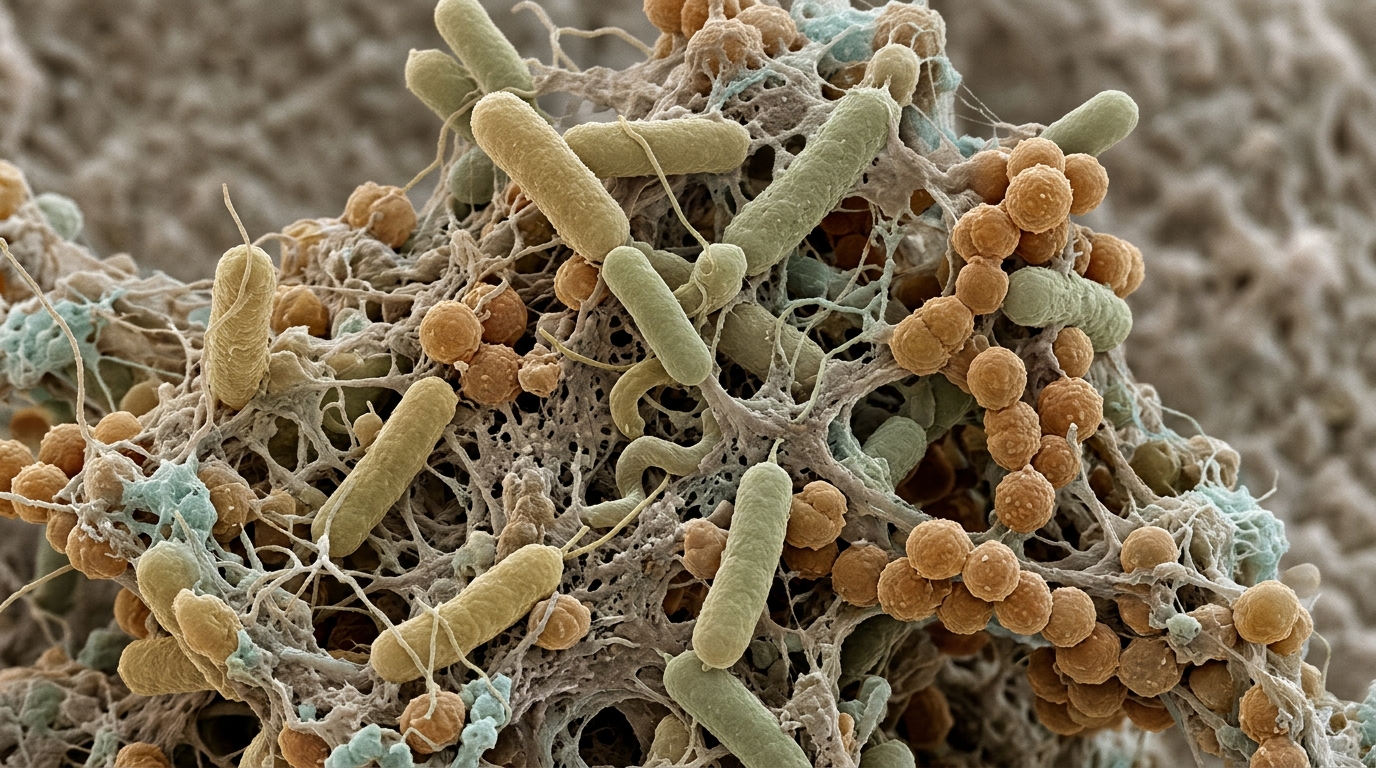
Researchers from the Icahn School of Medicine at Mount Sinai and the University of Florida have proposed a new statistical method designed to address specific challenges in analyzing the role of the microbiome in disease pathogenesis. The study, published in Frontiers in Cellular and Infection Microbiology, introduces a zero-inflated beta mixture (ZIBM) method for mediation analysis involving compositional microbiome mediators. This approach aims to provide a more flexible and robust framework for understanding how microbial communities may mediate causal effects in health and disease contexts.

The role of the microbiome in disease pathogenesis is an emerging field, with strong evidence suggesting that dysbiosis is associated with precancerous and cancerous states. However, microbiome data present substantial challenges for causal mediation analysis. These challenges include sparsity, compositional constraints, and latent heterogeneity, which complicate the accurate estimation of causal effects. The proposed ZIBM method is specifically designed to accommodate these data characteristics that often hinder existing statistical approaches.

The ZIBM method accommodates excess zeros in the data through a zero-inflation component. Additionally, it captures heterogeneity in non-zero relative abundances using a beta mixture distribution. Within the potential-outcomes framework, the ZIBM provides estimates of marginal microbiome-mediated causal effects.

Simulation studies demonstrate that the ZIBM yields more accurate estimation and reliable inference under conditions commonly observed in microbiome data, compared with existing approaches. The results indicate that the proposed method provides a more flexible and robust statistical framework for mediation analysis involving compositional microbiome data.

An application to a real microbiome study further illustrates the practical utility of the ZIBM method.

The authors, Seungjun Ahn, Quran Wu, Alicia Yang, and Zhigang Li, represent departments at both the Icahn School of Medicine at Mount Sinai and the University of Florida.

The ZIBM method represents a step forward in this direction, offering a robust framework for mediation analysis with compositional microbiome mediators.

Subject of Research: A zero-inflated beta mixture model for marginal mediation analysis with compositional microbiome mediators

Article Title: A zero-inflated beta mixture model for marginal mediation analysis with compositional microbiome mediators

Article References: Ahn, S., Wu, Q., Yang, A., Porchia, D., Fu, W., & Li, Z. (2026). A zero-inflated beta mixture model for marginal mediation analysis with compositional microbiome mediators. Frontiers in Cellular and Infection Microbiology, 16, Article 1877170. https://doi.org/10.3389/fcimb.2026.1877170

Image Credits: AI Generated

DOI: 10.3389/fcimb.2026.1877170

Keywords: zero-inflated, beta, mixture, model, marginal, mediation, analysis, compositional, microbiome, mediators, scientific research

News Source: Morgan Morrow. (November 7, 2026). New Statistical Model Improves Microbiome Causal Analysis. Scienmag.

Tags: analysisbetaCompositionalmarginalmediationMediatorsMicrobiomemixturemodelscientific researchzero-inflated
Share12Tweet7Share2ShareShareShare1

Related Posts

Probable Chlamydia abortus infection linked to severe pneumonia

Probable Chlamydia abortus infection linked to severe pneumonia

November 7, 2026
KRAS Status Unlinked to Nutrition and Inflammation in Colorectal Cancer

KRAS Status Unlinked to Nutrition and Inflammation in Colorectal Cancer

November 7, 2026

Screening Tool Evaluates Paternal Perinatal Affective Symptoms in Polish Fathers

November 7, 2026

Vitamin E and Selenium Nanoparticles Mitigate Mercury Toxicity in Tilapia

November 7, 2026

POPULAR NEWS

  • Tomographic Study Assesses Interzonal Toric Stability Across Different Corneal Zones

    Tomographic Study Assesses Interzonal Toric Stability Across Different Corneal Zones

    29 shares
    Share 12 Tweet 7
  • Research report: Phytotoxic potential of Ranunculus testiculatus aqueous extract: physiological responses and molecular docking/putative ligand interactions with barley α-amylase

    29 shares
    Share 12 Tweet 7
  • High-fibre, fermented-food diet trial will test gut-brain route to easing adult ADHD symptoms

    29 shares
    Share 12 Tweet 7
  • Research report: Effects of a game-based exergame intervention on motor competence and balance in children with autism spectrum disorder: a multiple-baseline single-case experimental study

    29 shares
    Share 12 Tweet 7

About

We bring you the latest biotechnology news from best research centers and universities around the world. Check our website.

Follow us

Recent News

Probable Chlamydia abortus infection linked to severe pneumonia

KRAS Status Unlinked to Nutrition and Inflammation in Colorectal Cancer

Decentralized Blockchain Architecture Protects Electronic Prescriptions Against Duplication and Forgery

Subscribe to Blog via Email

Enter your email address to subscribe to this blog and receive notifications of new posts by email.

Join 86 other subscribers
  • Contact Us

Bioengineer.org © Copyright 2023 All Rights Reserved.

Welcome Back!

Login to your account below

Forgotten Password?

Retrieve your password

Please enter your username or email address to reset your password.

Log In
No Result
View All Result
  • Homepages
    • Home Page 1
    • Home Page 2
  • News
  • National
  • Business
  • Health
  • Lifestyle
  • Science

Bioengineer.org © Copyright 2023 All Rights Reserved.