• HOME
  • NEWS
  • EXPLORE
    • CAREER
      • Companies
      • Jobs
    • EVENTS
    • iGEM
      • News
      • Team
    • PHOTOS
    • VIDEO
    • WIKI
  • BLOG
  • COMMUNITY
    • FACEBOOK
    • INSTAGRAM
    • TWITTER
Saturday, February 7, 2026
BIOENGINEER.ORG
No Result
View All Result
  • Login
  • HOME
  • NEWS
  • EXPLORE
    • CAREER
      • Companies
      • Jobs
        • Lecturer
        • PhD Studentship
        • Postdoc
        • Research Assistant
    • EVENTS
    • iGEM
      • News
      • Team
    • PHOTOS
    • VIDEO
    • WIKI
  • BLOG
  • COMMUNITY
    • FACEBOOK
    • INSTAGRAM
    • TWITTER
  • HOME
  • NEWS
  • EXPLORE
    • CAREER
      • Companies
      • Jobs
        • Lecturer
        • PhD Studentship
        • Postdoc
        • Research Assistant
    • EVENTS
    • iGEM
      • News
      • Team
    • PHOTOS
    • VIDEO
    • WIKI
  • BLOG
  • COMMUNITY
    • FACEBOOK
    • INSTAGRAM
    • TWITTER
No Result
View All Result
Bioengineer.org
No Result
View All Result
Home NEWS Science News Biology

New plant breeding technologies for food security

Bioengineer by Bioengineer
March 29, 2019
in Biology
Reading Time: 3 mins read
0
IMAGE
Share on FacebookShare on TwitterShare on LinkedinShare on RedditShare on Telegram

Genome editing and world hunger
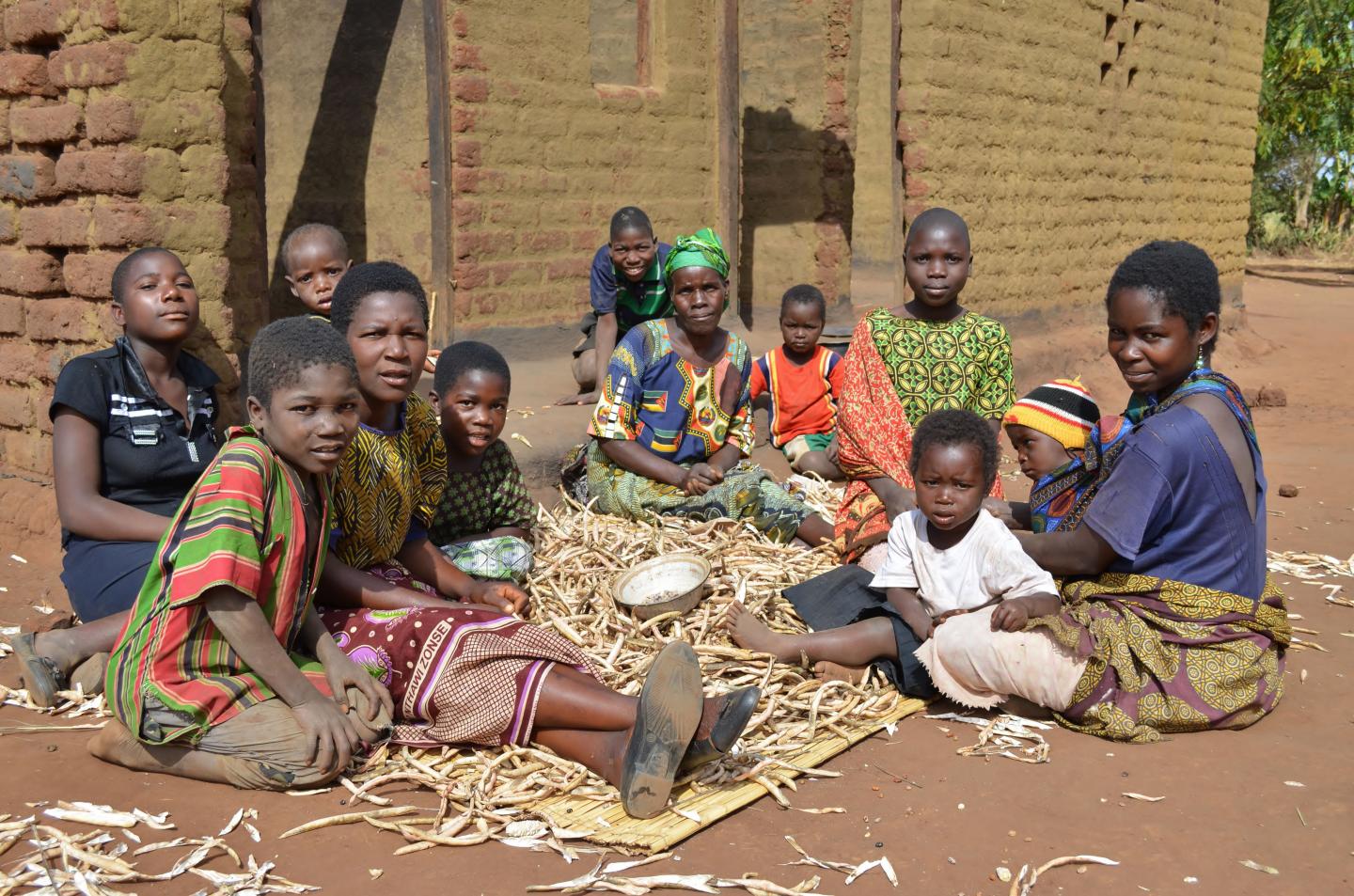
IMAGE

Credit: S Koppmair

An international team, including researchers from the University of Göttingen, argues in a perspective article recently published in Science that new plant breeding technologies can contribute significantly to food security and sustainable development. Genome editing techniques in particular, such as CRISPR/Cas, could help to make agriculture more productive and environmentally friendly. The researchers advocate the responsible use and support of these new technologies.

“Plant breeding and other agricultural technologies have contributed considerably to hunger reduction during the last few decades”, says Matin Qaim, an agricultural economist at the University of Göttingen and one of the article’s authors. But the resulting high intensity in the use of agrochemicals has also caused serious environmental problems. Future technologies need to reduce the negative environmental footprint and make agriculture more resilient to climate stress. Predictions suggest that small farms in Africa and Asia will suffer especially from the effects of climate change.

“Genome editing allows us to develop crop plants that are more resistant to pests and diseases and more tolerant to drought and heat”, says Shahid Mansoor from the National Institute for Biotechnology and Genetic Engineering in Pakistan. This can help to reduce crop losses and chemical pesticide sprays. In genome editing, certain DNA sequences are changed or “switched off” in a very precise way without foreign genes being introduced. Hence, genome-edited crops are different from transgenic genetically modified organisms (GMOs). “The new methods are already being used in various cereals and also to improve neglected food crops such as pulses or local vegetables,” Mansoor explains.

“We should be careful not to repeat the mistakes that were made with GMOs”, says Qaim. “The limited public acceptance and the high regulatory hurdles for transgenic GMOs have contributed to a concentration of biotech developments in only a few major crops and in the hands of only a few multinationals. We need more diversity and more competition,” adds Qaim. “Genome-edited crops do not contain foreign genes; as the breeding techniques are more precise, these crops are as safe as conventionally bred crops. Hence, genome-edited crops should not be regulated as if they were transgenic GMOs”.

In Europe, regulations for genome-edited crops are still being debated. In July 2018, the EU Court of Justice ruled that these crops would fall under the existing GMO law, which is disappointing according to the authors of this position paper. “This will hold up future applications” says Qaim. The regulation of new breeding technologies in Europe also has a major impact on developing countries, carrying the risk that the enormous potential of genome editing for food security cannot be fully harnessed, the researchers fear.

###

Original paper: Zaidi, S.S., H. Vanderschuren, M. Qaim, M.M. Mahfouz, A. Kohli, S. Mansoor, M. Tester (2019). New plant breeding technologies for food security. Science, https://doi.org/10.1126/science.aav6316.

Contact:

Professor Matin Qaim

University of Göttingen

Department of Agricultural Economics and Rural Development

Platz der Göttinger Sieben 5, 37073 Göttingen

Telephone: +49 (0)551 3924806

Email: [email protected]

Media Contact
Melissa Sollich
[email protected]

Original Source

https://www.uni-goettingen.de/en/3240.html?id=5392

Related Journal Article

http://dx.doi.org/10.1126/science.aav6316

Tags: Agricultural Production/EconomicsAgricultureClimate ChangeDeveloping CountriesFood/Food ScienceGeneticsPlant Sciences
Share13Tweet8Share2ShareShareShare2

Related Posts

New Study Uncovers Mechanism Behind Burn Pit Particulate Matter–Induced Lung Inflammation

New Study Uncovers Mechanism Behind Burn Pit Particulate Matter–Induced Lung Inflammation

February 6, 2026

DeepBlastoid: Advancing Automated and Efficient Evaluation of Human Blastoids with Deep Learning

February 6, 2026

Navigating the Gut: The Role of Formic Acid in the Microbiome

February 6, 2026

AI-Enhanced Optical Coherence Photoacoustic Microscopy Revolutionizes 3D Cancer Model Imaging

February 6, 2026
Please login to join discussion

POPULAR NEWS

  • Robotic Ureteral Reconstruction: A Novel Approach

    Robotic Ureteral Reconstruction: A Novel Approach

    82 shares
    Share 33 Tweet 21
  • Digital Privacy: Health Data Control in Incarceration

    63 shares
    Share 25 Tweet 16
  • Study Reveals Lipid Accumulation in ME/CFS Cells

    57 shares
    Share 23 Tweet 14
  • Breakthrough in RNA Research Accelerates Medical Innovations Timeline

    53 shares
    Share 21 Tweet 13

About

We bring you the latest biotechnology news from best research centers and universities around the world. Check our website.

Follow us

Recent News

Scientists Identify SARS-CoV-2 PLpro and RIPK1 Inhibitors Showing Potent Synergistic Antiviral Effects in Mouse COVID-19 Model

Neg-Entropy: The Key Therapeutic Target for Chronic Diseases

Multidisciplinary Evidence-Based Guidelines for Therapeutic Drug Monitoring of Biologics in Inflammatory Bowel Disease

Subscribe to Blog via Email

Enter your email address to subscribe to this blog and receive notifications of new posts by email.

Join 73 other subscribers
  • Contact Us

Bioengineer.org © Copyright 2023 All Rights Reserved.

Welcome Back!

Login to your account below

Forgotten Password?

Retrieve your password

Please enter your username or email address to reset your password.

Log In
No Result
View All Result
  • Homepages
    • Home Page 1
    • Home Page 2
  • News
  • National
  • Business
  • Health
  • Lifestyle
  • Science

Bioengineer.org © Copyright 2023 All Rights Reserved.