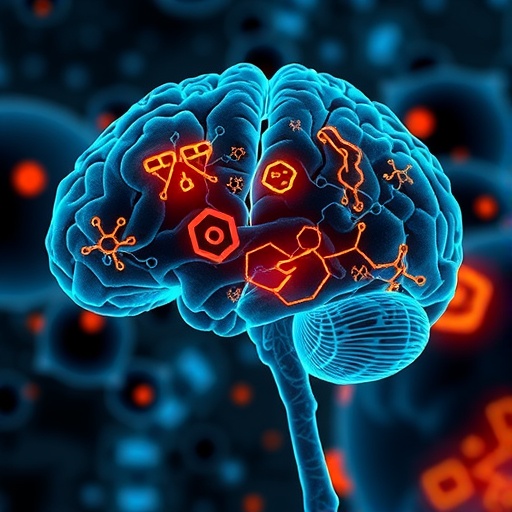
The human brain is an extraordinarily expensive organ to run. Although it accounts for only about two percent of body mass, it devours roughly twenty percent of the body’s oxygen supply, and in doing so it manufactures a steady stream of chemically unstable molecules known as reactive oxygen species. These molecules are the inevitable exhaust of aerobic metabolism, produced when mitochondria — the energy-generating power plants inside cells — pass electrons along their respiratory chains and leak a small fraction of them onto oxygen. In most tissues, a well-stocked arsenal of antioxidant defences keeps this chemical exhaust in check, and the balance between production and neutralisation holds steady across a lifetime. In the brain, however, that balance is perpetually precarious, and a newly published comprehensive review argues that understanding precisely how and why it collapses could be the key to finally treating some of medicine’s most intractable diseases.
The review, published in the Current Neuroscience Journal by Priyanka Yadav, Dinesh Kumar, Anil Kumar, and corresponding author Sumit Kumar, maps the molecular chain of events through which oxidative stress drives the destruction of nerve cells. Drawing together evidence across five major neurological conditions — Alzheimer’s disease, Parkinson’s disease, amyotrophic lateral sclerosis, Huntington’s disease, and epilepsy — the authors make a case that is both sobering and constructive: oxidative stress is not a single entity that can be neutralised with a single pill, but a family of disease-specific chemical processes that demand precision-targeted interventions.
At modest levels, reactive oxygen species are not merely harmless; they are essential. They participate in nerve cell signalling, help sculpt the synaptic connections that underlie learning and memory, and support immune responses within brain tissue. The trouble begins when production outpaces the brain’s capacity for neutralisation, a state scientists call oxidative stress. Because neurons are rich in the polyunsaturated fatty acids that reactive molecules attack most readily, and because the brain maintains comparatively weak antioxidant defences relative to other organs, it is uniquely vulnerable to this kind of chemical damage. Once stress becomes sustained, the consequences cascade: fatty cell membranes are peroxidised, proteins are corrupted and lose their function, DNA strands accumulate lesions, mitochondrial energy machinery falters, chronic inflammation takes hold in brain tissue, and misfolded proteins begin to aggregate into the abnormal clumps that define several neurodegenerative diseases.
What makes the review particularly valuable is its insistence on mechanistic specificity. All five diseases share a common foundation — failing mitochondria, weakened antioxidant defences, excitotoxic excess at synapses, chronic low-grade neuroinflammation, and the accumulation of proteins the cell cannot clear. But the specific chemical routes by which oxidative stress inflicts damage diverge dramatically, and those differences have profound implications for therapy.
Consider Parkinson’s disease, a condition defined by the death of dopamine-producing neurons. Dopamine itself is a chemically restless molecule. Its normal metabolic breakdown generates reactive quinones — dopamine quinones — that are directly toxic to the very neurons that manufacture the neurotransmitter. The result is a self-reinforcing cycle of destruction: the more dopamine is metabolised, the more toxic byproducts accumulate, and the fewer healthy neurons remain to handle the load. Any antioxidant strategy for Parkinson’s that ignores this dopamine-specific chemistry is, the authors suggest, unlikely to succeed.
In amyotrophic lateral sclerosis, the story unfolds differently. Mutations in the SOD1 gene, which encodes one of the cell’s most important antioxidant enzymes, produce a misfolded protein that is not merely inactive but actively poisonous. This corrupted enzyme disrupts redox balance with particular specificity in motor neurons — the large, metabolically demanding cells that control voluntary movement — helping explain why ALS devastates movement while leaving cognition and sensation comparatively intact for much of the disease course.
Alzheimer’s disease presents yet another mechanism. The amyloid-beta fragments that accumulate into the disease’s characteristic plaques act as catalysts for redox-active metal ions such as copper and iron. In the presence of these metals, amyloid-beta drives the generation of highly reactive hydroxyl radicals, producing sharply localised oxidative damage in the immediate vicinity of plaques. Oxidative stress in Alzheimer’s is thus not a diffuse background phenomenon but a concentrated chemical assault, orchestrated in part by the very protein aggregates considered hallmarks of the disease.
Huntington’s disease adds a fourth variant. The mutant huntingtin protein physically impairs mitochondrial function, choking off energy supply and simultaneously increasing the generation of oxidative byproducts. This double blow falls hardest on the striatum, the brain region most affected by the disease, providing a mechanistic explanation for the movement disorders and cognitive decline that characterise the condition. Epilepsy, meanwhile, illustrates how oxidative stress and excitotoxicity feed each other: excessive neuronal firing generates reactive species, which in turn damage the cellular machinery that normally restrains excitability.
The review also devotes careful attention to how oxidative damage is actually measured, an issue of more than academic interest. Researchers rely on a panel of biomarkers: F2-isoprostanes and malondialdehyde as indicators of lipid peroxidation, protein carbonyls and 3-nitrotyrosine as markers of protein oxidation, and 8-hydroxy-2′-deoxyguanosine as evidence of DNA damage. Crucially, the authors draw a conceptual distinction between oxidative stress — the imbalance between production and defence — and oxidative damage, the measurable molecular harm that results. A cell can be under significant stress without yet showing damage if its defences are compensating, and a treatment that reduces one without addressing the other may produce encouraging biomarker readings while failing to change the disease’s trajectory.
This distinction feeds directly into the review’s most provocative argument: an explanation for why antioxidant therapies have so consistently disappointed in clinical trials. Despite decades of compelling laboratory evidence linking oxidative stress to neurodegeneration, broad-spectrum antioxidants have repeatedly failed to deliver meaningful benefits to patients. The authors identify several reasons. Antioxidant drugs must cross the blood-brain barrier in sufficient concentrations, a formidable pharmacological obstacle. Many act at the wrong point in the damage cascade or against the wrong reactive species. Preclinical disease models frequently fail to capture the complexity and chronicity of human neurodegeneration, producing results that simply do not translate.
But the deepest problem may be conceptual. Reactive oxygen species are not waste products to be eliminated; they are signalling molecules woven into the normal fabric of brain function. Indiscriminately suppressing their production risks disrupting the very cellular processes a therapy is meant to protect. A blunt chemical hammer, in other words, cannot fix a system that depends on precisely calibrated chemistry.
The path forward, the authors argue, requires abandoning the shotgun approach. Future therapies should target the specific oxidative pathways relevant to each disease — dopamine quinones in Parkinson’s, SOD1 misfolding in ALS, metal-catalysed oxidation in Alzheimer’s, mitochondrial impairment in Huntington’s — and must be deployed at the appropriate stage of disease progression and within the appropriate cellular compartment. Timing matters as much as target: intervening after decades of accumulated damage may be futile even with the right molecule. Equally important is the smarter use of oxidative damage biomarkers in clinical trials, both to identify the patients most likely to benefit from antioxidant interventions and to verify that a treatment is genuinely reducing oxidative stress in the brain rather than merely performing well on surrogate measures.
For the tens of millions of people worldwide living with these five conditions, and for whom disease-modifying treatments remain painfully elusive, the review offers neither a cure nor a quick breakthrough. What it offers instead is something arguably more valuable at this stage: a coherent mechanistic framework that explains past failures and charts a disciplined route toward therapies that treat oxidative stress not as a generic enemy to be eradicated, but as a set of distinct, disease-specific vulnerabilities to be precisely addressed. In the difficult terrain of neurodegeneration, that kind of clarity may prove to be the most powerful medicine of all.
Subject of Research: The mechanistic role of oxidative stress in neurodegeneration across Alzheimer’s disease, Parkinson’s disease, ALS, Huntington’s disease, and epilepsy, and why antioxidant therapies have failed to translate into clinical benefit.
Subject of Research: Medicine
Article Title: Decoding Oxidative Stress: Novel Mechanistic Pathways in Neurodegeneration
Article References: Yadav, P., Kumar, D., Kumar, A., & Kumar, S. (2026). Decoding Oxidative Stress: Novel Mechanistic Pathways In Neurodegeneration. Current Neuroscience, 01. https://doi.org/10.2174/0129505623441229260714100114
Image Credits: AI Generated
DOI: 10.2174/0129505623441229260714100114
Keywords: oxidative stress, neurodegeneration, reactive oxygen species, Alzheimer’s disease, Parkinson’s disease, amyotrophic lateral sclerosis, Huntington’s disease, mitochondria, antioxidant therapy, blood-brain barrier, biomarkers, neuroinflammation
Cite Scienmag News
APA
MLA
Chicago
Cassandra Pierce. (September 8, 2026). New mechanistic pathways link oxidative stress to neurodegeneration. Scienmag. https://scienmag.com/new-mechanistic-pathways-link-oxidative-stress-to-neurodegeneration/
Cassandra Pierce. “New mechanistic pathways link oxidative stress to neurodegeneration.” Scienmag, 8 September 2026, https://scienmag.com/new-mechanistic-pathways-link-oxidative-stress-to-neurodegeneration/. Accessed 8 September 2026.
Cassandra Pierce. “New mechanistic pathways link oxidative stress to neurodegeneration.” Scienmag. September 8, 2026. https://scienmag.com/new-mechanistic-pathways-link-oxidative-stress-to-neurodegeneration/
Copy citation
Download RIS
Tags: antioxidant defenses in neural tissuebrain energy metabolism and oxidative damagecellular mechanisms of neurodegenerationlink between oxidative damage and Alzheimer’slinks between oxidative stress and Alzheimer’s diseasemechanisms of neurodegenerative disease progressionmitochondrial dysfunction in brain diseasesMitochondrial dysfunction in neurodegenerative diseasesmolecular pathways of neurodegenerative diseasesmolecular pathways of neuronal damageneurodegeneration and mitochondrial healthneurodegenerative disease mechanismsneuroinflammation and oxidative stressneuroprotective antioxidant mechanismsoxidative stress and neurodegenerationoxidative stress in neurodegenerationoxidative stress therapeutic targetsoxidative stress-induced nerve cell deathParkinson’s disease molecular mechanismsParkinson’s disease molecular pathwaysreactive oxygen species in brainreactive oxygen species in neurological disorderstherapeutic targets for oxidative stress in neuroscience