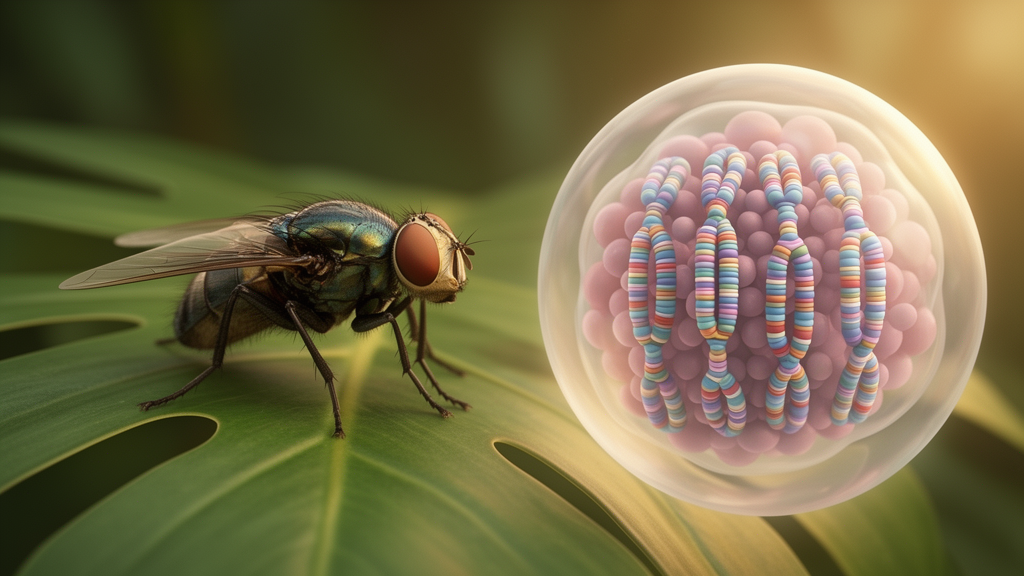
The intricate architecture of chromosomes serves as a foundational map for understanding evolutionary biology, yet significant gaps remain in our knowledge of Neotropical species. A recent study published in Comparative Cytogenetics has addressed this gap by providing the first detailed description of mitotic metaphase chromosomes for five distinct Andean species of the genus Drosophila. These species, belonging to three different Neotropical sibling groups, offer a unique window into the genetic diversity and evolutionary trajectories of fruit flies in the region. By characterizing these karyotypes, researchers have shed light on the chromosomal rearrangements that drive speciation and genetic isolation in these small but genetically complex insects.
The study focuses on five species: D. cashapamba, D. ecuatoriana, D. ninarumi, D. urcu, and D. valenteae. Each of these species represents a different lineage within the Drosophila genus, which is renowned for its rapid radiation and high diversity in the Neotropics. The ancestral karyotype for the genus typically consists of five pairs of large chromosomes and one pair of dots, a configuration observed in many Neotropical groups. However, the current study reveals that these five species have deviated significantly from this ancestral state, showcasing a range of diploid chromosome numbers from six to twelve. This variation highlights the dynamic nature of chromosomal evolution in these populations.
Among the studied species, D. cashapamba presents a particularly intriguing karyotype with a diploid number of six chromosomes. This low chromosome count is rare in the subgenus Drosophila, with only thirteen other species sharing this characteristic. The karyotype is described as 2n = 6, comprising two V-shaped metacentric autosomes and a sexual pair where the X chromosome is J-shaped and the Y is rod-shaped. This configuration suggests a history of significant chromosomal fusion or loss, distinguishing it from the more common karyotypes found in related species. The presence of such a low number raises questions about the evolutionary pressures that may have favored this compact genomic structure.
In contrast, D. urcu exhibits a karyotype of 2n = 12, which is closer to the ancestral configuration but with notable differences. The sixth pair of chromosomes in D. urcu consists of large metacentric or telocentric chromosomes rather than the typical dot-like chromosomes seen in many other species of the D. tripunctata group. This distinction is crucial for understanding the specific evolutionary path taken by this species. The sexual chromosomes in D. urcu are the largest in the set, with a heteropycnotic Y chromosome, indicating a high degree of differentiation between the sexes. This feature is also observed in D. ninarumi, suggesting a shared evolutionary history or parallel evolution in these two species.
D. ninarumi and D. ecuatoriana both have a diploid chromosome number of ten, but their karyotypes differ in subtle yet significant ways. D. ninarumi includes a dot-like fifth pair of chromosomes, a feature reported in many species of the D. tripunctata group, while D. ecuatoriana lacks this dot-like chromosome. Instead, D. ecuatoriana has three pairs of rod-shaped telocentric autosomes and one large V-shaped metacentric autosome. These differences in chromosomal morphology provide insights into the mechanisms of chromosomal rearrangement, such as inversions and translocations, that have shaped the genomes of these species. The presence or absence of specific chromosomal features can limit genetic exchange between species, thereby promoting speciation.
D. valenteae, with a karyotype of 2n = 8, represents another unique case within the D. guarani group. This species has the lowest diploid chromosome number reported for this group, alongside D. alexandrei. The karyotype consists of three rod-shaped telocentric autosomes and a sexual pair with a J-shaped X chromosome and a rod-shaped Y chromosome. The relatively low chromosome number in D. valenteae suggests a history of chromosomal reduction, which may have been driven by selective pressures or genetic drift. This species serves as a valuable model for studying the evolutionary implications of chromosomal reduction in Drosophila.
The methods used in this study involved the preparation of chromosome plates from the cerebral ganglia of third-instar larvae. The researchers employed the cell suspension method and thermic shock to obtain high-quality metaphase nuclei, which were then stained with Giemsa for visualization. Using a Zeiss Axioskop 2 plus microscope and a Canon PowerShot A640 camera, the team captured detailed images of the mitotic chromosomes. The total length, relative length, and centromeric index of each chromosome were measured and analyzed using Axio Vision 4.4 software. This rigorous methodology ensures the accuracy and reliability of the karyotype descriptions, providing a solid foundation for future comparative genomics studies.
The findings of this study have broader implications for understanding the evolutionary history of Drosophila in the Neotropical region. Cytological studies, such as karyotype descriptions, are essential tools for tracing the genetic relationships between species and identifying the chromosomal rearrangements that drive speciation. By revealing the first karyotypes of these five Andean species, the researchers have filled a critical gap in the existing literature and provided new insights into the genetic diversity of Neotropical Drosophila. These karyotypes can be used to conduct comparative genomics studies and to facilitate genome assembly at the chromosome level, enhancing our understanding of the genomic architecture of these species.
Furthermore, the study highlights the importance of traditional cytological methods in the era of high-throughput genomics. While modern techniques offer powerful tools for analyzing genetic variation, karyotype descriptions remain a fundamental approach for understanding the structural organization of genomes. The chromosomal rearrangements identified in this study, such as inversions and translocations, can limit genetic exchange and promote reproductive isolation, thereby driving speciation. By documenting these rearrangements, the researchers have provided a valuable resource for studying the evolutionary processes that have shaped the diversity of Drosophila in the Neotropics. This work underscores the enduring relevance of cytogenetics in evolutionary biology and its potential to uncover new insights into the genetic basis of speciation.
Subject of Research: Metaphase chromosomes of five Neotropical species of the genus Drosophila (Diptera, Drosophilidae)
Article Title: Metaphase chromosomes of five Neotropical species of the genus Drosophila ( Diptera , Drosophilidae )
Article References: Vela, D., & Villavicencio, E. (2023). Metaphase chromosomes of five Neotropical species of the genus Drosophila (Diptera, Drosophilidae). Comparative Cytogenetics, 17, 273-281. https://doi.org/10.3897/compcytogen.17.108265
Image Credits: AI Generated
DOI: 10.3897/compcytogen.17.108265
Keywords: Metaphase, chromosomes, five, Neotropical, species, genus, Drosophila, Diptera, Drosophilidae, scientific research
News Source: Gavin Prescott. (October 18, 2026). New Karyotypes Reveal Chromosomal Evolution in Neotropical Flies. Scienmag.