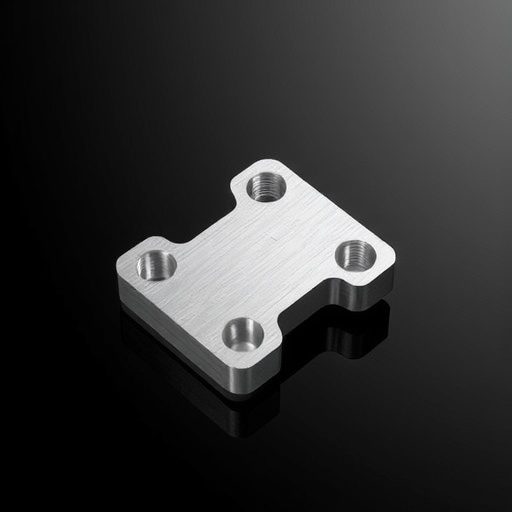
Scientists at The University of Manchester report that even modest temperature variations during molten metal deposition (MMD) can reshape the internal microstructure of aluminium components and strongly influence defect formation. Their results point to practical, physics-based levers for improving part quality in a metal 3D-printing approach designed for more controlled thermal conditions than many conventional techniques.
MMD belongs to additive manufacturing methods that build parts by depositing metal while it is molten. Because the process can operate at lower and more manageable temperatures, it may reduce energy demand and limit the severity of thermal cycling. That matters: rapid heating and cooling in other manufacturing routes can promote microstructural irregularities, residual stress, and distortion, all of which can compromise performance.
In this study, the team focused on aluminium alloy 4043, a widely used material in engineering contexts. They investigated how nozzle temperature and substrate temperature affect the formation of microscopic pores and the evolution of grain structures across the build. By linking processing conditions to the resulting microstructure, the researchers aim to clarify how print parameters translate into material reliability.
To capture the structure-property relationships, samples were fabricated under different thermal settings. Advanced microscopy was used to characterize grain morphology, crystallographic orientation, and pore distribution. Mechanical testing then provided performance-relevant information, including hardness and elastic modulus trends.
The researchers found that higher nozzle and substrate temperatures slow cooling during deposition. Slower cooling increased porosity by allowing more time for pore-related formation mechanisms, and it produced larger grains. In contrast, lower processing temperatures accelerated solidification, yielding finer grains and fewer defects—conditions that generally support more consistent mechanical behavior.
A second insight emerged as deposition progressed layer by layer. Defect levels and grain size decreased with distance through the build, implying that local thermal histories evolve during fabrication. This means that the same machine settings can produce different microstructural outcomes depending on where a material region forms within the component.
Across all conditions, the team identified a strong relationship between grain size and porosity. This correlation provides a measurable bridge between thermal processing and defect-driven quality risks. In practical terms, it suggests that controlling solidification kinetics can be a direct strategy to limit void formation.
Despite the presence of some defects, the mechanical properties of the printed alloy remained within the expected range for aluminium 4043. The reported hardness and elastic modulus values indicate that, with optimized thermal control, MMD can deliver performance comparable to more conventional manufacturing pathways.
The authors conclude that MMD’s thermal controllability offers a clear route to more reliable aluminium components. By establishing how processing parameters govern microstructural evolution and defect formation, the work lays groundwork for industrial optimization of this emerging manufacturing technology.
Subject of Research: Molten metal deposition (MMD) and microstructural evolution/defect formation in aluminium alloy 4043
Article Title: Microstructural evolution and defect formation in aluminium alloy 4043 during molten metal deposition
News Publication Date: 25-Jun-2026
Web References: https://www.sciencedirect.com/science/article/pii/S0264127526010816
References: https://doi.org/10.1016/j.matdes.2026.116508
Image Credits: Credit: Dr Fan Wu and Dr Wajira Mirihanage, co-authors from the Department of Materials at The University of Manchester
Keywords
Materials science; Materials engineering; Additive manufacturing; Aluminium alloy 4043; Molten metal deposition; Microstructure; Porosity; Grain size
Tags: 3D-printed aluminum componentsadditive manufacturingaluminum alloy 4043defect formation in 3D-printed metalsgrain structure evolution in aluminum 3D printinginfluence of temperature variations on microstructuremicroscopy analysis of 3D-printed metalsmicrostructure control in metal 3D printingmolten metal depositionoptimizing print parameters for improved metal part qualityresidual stress and distortion in metal additive manufacturingthermal management in metal additive manufacturing