• HOME
  • NEWS
  • EXPLORE
    • CAREER
      • Companies
      • Jobs
    • EVENTS
    • iGEM
      • News
      • Team
    • PHOTOS
    • VIDEO
    • WIKI
  • BLOG
  • COMMUNITY
    • FACEBOOK
    • INSTAGRAM
    • TWITTER
Sunday, May 10, 2026
BIOENGINEER.ORG
No Result
View All Result
  • Login
  • HOME
  • NEWS
  • EXPLORE
    • CAREER
      • Companies
      • Jobs
        • Lecturer
        • PhD Studentship
        • Postdoc
        • Research Assistant
    • EVENTS
    • iGEM
      • News
      • Team
    • PHOTOS
    • VIDEO
    • WIKI
  • BLOG
  • COMMUNITY
    • FACEBOOK
    • INSTAGRAM
    • TWITTER
  • HOME
  • NEWS
  • EXPLORE
    • CAREER
      • Companies
      • Jobs
        • Lecturer
        • PhD Studentship
        • Postdoc
        • Research Assistant
    • EVENTS
    • iGEM
      • News
      • Team
    • PHOTOS
    • VIDEO
    • WIKI
  • BLOG
  • COMMUNITY
    • FACEBOOK
    • INSTAGRAM
    • TWITTER
No Result
View All Result
Bioengineer.org
No Result
View All Result
Home NEWS Science News Biology

New guideline decreases breast cancer re-operation rates

Bioengineer by Bioengineer
April 10, 2019
in Biology
Reading Time: 2 mins read
0
IMAGE
Share on FacebookShare on TwitterShare on LinkedinShare on RedditShare on Telegram

Patients can avoid added stress and potential surgical complications
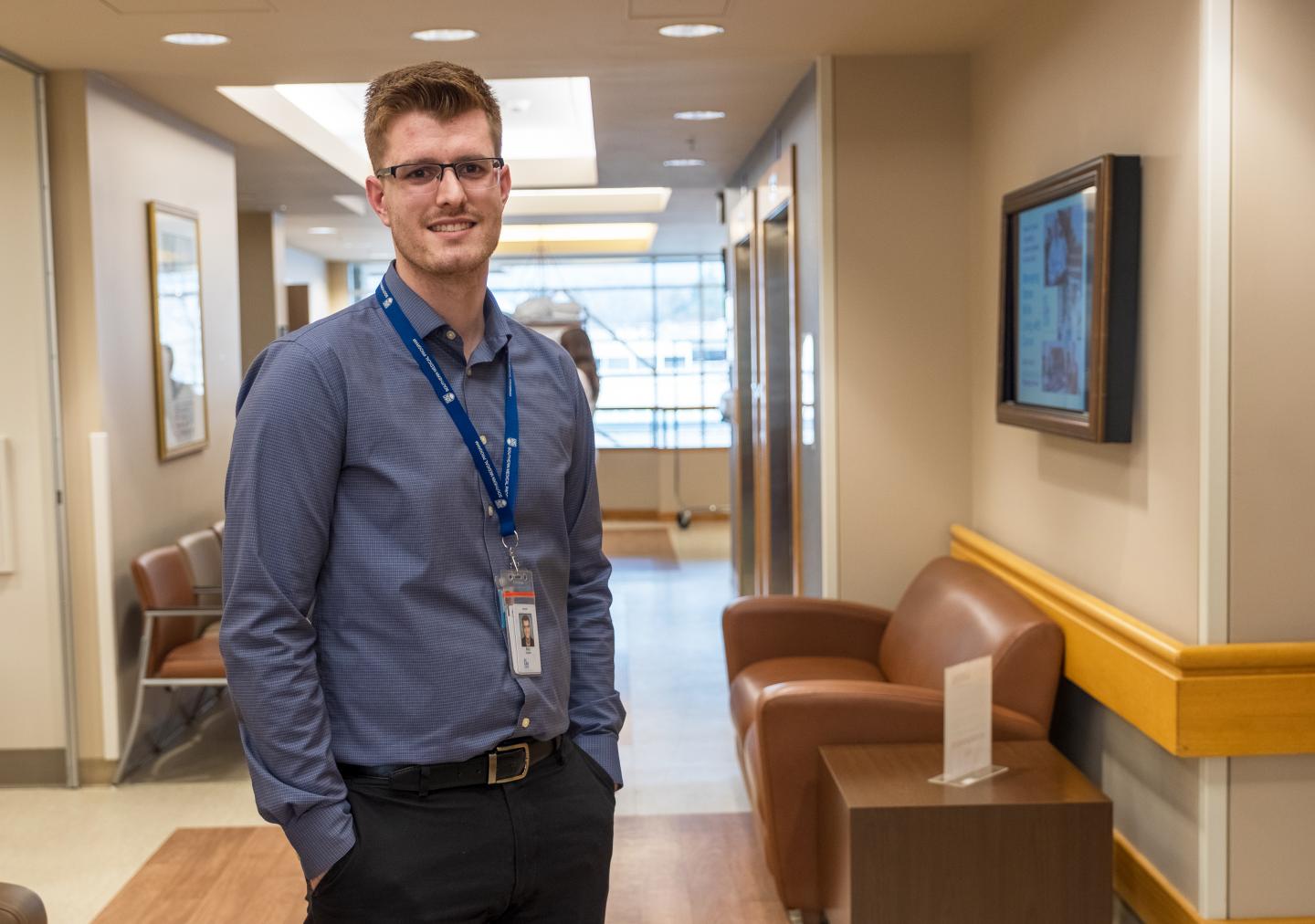
IMAGE

Credit: UBC Okanagan photo

A UBC medical student has determined that a new surgical guideline is making a difference for breast cancer patients.

Alex Monaghan, a second-year Southern Medical Program (SMP) student at UBC Okanagan, recently completed a study using patient data from BC Cancer-Kelowna. His research compared re-operation rates for breast cancer patients before and after a new surgical guideline was introduced five years ago.

Breast-conserving surgery (BCS) and radiation therapy is a common first step in treating early-stage breast cancer. Following BCS, the removed portion of a woman’s breast is inked with permanent dye to allow doctors to measure the amount of healthy tissue surrounding a tumour and to determine whether the surgery was adequate.

Historically, debate has centred on the desired amount or margin of space between the tumour and inked edges to optimize patient outcome. With a lack of consensus, re-operation rates as reported by North America public-health institutions have varied considerably between 17 to 35 per cent.

In 2014, the Society of Surgical Oncology and American Society for Radiation Oncology released the new guideline of ‘no tumour on ink’ for cancer patients undergoing BCS.

“The guideline states that if a tumour does not touch the inked portion of tissue, re-operation may not be warranted,” says Monaghan lead author of the study. “Further surgery can lead to increased risk of medical complications and worsened cosmetic effects, without any evidence of prolonged survival or decreased cancer recurrence.”

Monaghan compared data of more than 1,100 patients from 2011 to 2017 to measure re-operation rates before and after the guidelines came into practice. As the primary referral centre for Interior Health, BC Cancer-Kelowna services 10 regional hospitals across the BC Interior. He conducted his research under the guidance of Dr. Christopher Baliski, a surgical oncologist at Kelowna General Hospital and BC Cancer, as well as an SMP clinical assistant professor.

Based on his findings, Monaghan found that a woman with early-stage breast cancer is 72 per cent less likely to have a re-operation after a lumpectomy today compared to 2014 and earlier.

“The research shows how the guideline has been adopted by community surgeons across the BC Interior,” says Monaghan. “Patients can avoid potential surgical complications, added stress, and the cosmetic effects are minimized. In addition, healthcare costs are reduced as a whole.”

Monaghan presented his work at the 105th meeting of the North Pacific Surgical Association in November of 2018. The study, supported by BC Cancer’s Surgical Oncology Network, was published recently in the American Journal of Surgery.

###

Media Contact
Patty Wellborn
[email protected]

Original Source

https://news.ok.ubc.ca/2019/04/10/new-guideline-decreases-breast-cancer-re-operation-rates

Related Journal Article

http://dx.doi.org/10.1016/j.amjsurg.2019.01.007

Tags: Breast CancercancerHealth ProfessionalsMedicine/HealthMicrobiologyMolecular PhysicsNuclear PhysicsSurgery
Share12Tweet8Share2ShareShareShare2

Related Posts

Ancient Plant Populations Reveal Fresh Insights into Climate Resilience — Biology

Ancient Plant Populations Reveal Fresh Insights into Climate Resilience

May 8, 2026
Rare Brain Disorders in Children Linked to Mutations in Lesser-Known Protein Complex — Biology

Rare Brain Disorders in Children Linked to Mutations in Lesser-Known Protein Complex

May 8, 2026

From Odd Insect to Underwater Predator: The Remarkable Evolution of a Bloodthirsty Fruit Fly

May 8, 2026

SNU Professor Sangwoo Seo’s Team Develops Next-Generation CRISPR Biocontainment Technology to Control Microbial Survival Without DNA Cleavage

May 8, 2026
Please login to join discussion

POPULAR NEWS

  • Research Indicates Potential Connection Between Prenatal Medication Exposure and Elevated Autism Risk

    840 shares
    Share 336 Tweet 210
  • New Study Reveals Plants Can Detect the Sound of Rain

    727 shares
    Share 290 Tweet 181
  • Scientists Investigate Possible Connection Between COVID-19 and Increased Lung Cancer Risk

    68 shares
    Share 27 Tweet 17
  • Salmonella Haem Blocks Macrophages, Boosts Infection

    61 shares
    Share 24 Tweet 15

About

We bring you the latest biotechnology news from best research centers and universities around the world. Check our website.

Follow us

Recent News

Evaluating Digoxin Use in Patients with Symptomatic Rheumatic Heart Disease

Evaluating the Effectiveness and Safety of Digitalis Glycosides in Treating Heart Failure

Urdu Fall Risk Questionnaire Adapted for Elderly

Subscribe to Blog via Email

Enter your email address to subscribe to this blog and receive notifications of new posts by email.

Join 82 other subscribers
  • Contact Us

Bioengineer.org © Copyright 2023 All Rights Reserved.

Welcome Back!

Login to your account below

Forgotten Password?

Retrieve your password

Please enter your username or email address to reset your password.

Log In
No Result
View All Result
  • Homepages
    • Home Page 1
    • Home Page 2
  • News
  • National
  • Business
  • Health
  • Lifestyle
  • Science

Bioengineer.org © Copyright 2023 All Rights Reserved.