• HOME
  • NEWS
  • EXPLORE
    • CAREER
      • Companies
      • Jobs
    • EVENTS
    • iGEM
      • News
      • Team
    • PHOTOS
    • VIDEO
    • WIKI
  • BLOG
  • COMMUNITY
    • FACEBOOK
    • INSTAGRAM
    • TWITTER
Thursday, September 24, 2026
BIOENGINEER.ORG
No Result
View All Result
  • Login
  • HOME
  • NEWS
  • EXPLORE
    • CAREER
      • Companies
      • Jobs
        • Lecturer
        • PhD Studentship
        • Postdoc
        • Research Assistant
    • EVENTS
    • iGEM
      • News
      • Team
    • PHOTOS
    • VIDEO
    • WIKI
  • BLOG
  • COMMUNITY
    • FACEBOOK
    • INSTAGRAM
    • TWITTER
  • HOME
  • NEWS
  • EXPLORE
    • CAREER
      • Companies
      • Jobs
        • Lecturer
        • PhD Studentship
        • Postdoc
        • Research Assistant
    • EVENTS
    • iGEM
      • News
      • Team
    • PHOTOS
    • VIDEO
    • WIKI
  • BLOG
  • COMMUNITY
    • FACEBOOK
    • INSTAGRAM
    • TWITTER
No Result
View All Result
Bioengineer.org
No Result
View All Result
Home NEWS Science News Health

New findings enable more heart donations

Bioengineer by Bioengineer
September 26, 2019
in Health
Reading Time: 2 mins read
0
IMAGE
Share on FacebookShare on TwitterShare on LinkedinShare on RedditShare on Telegram

IMAGE

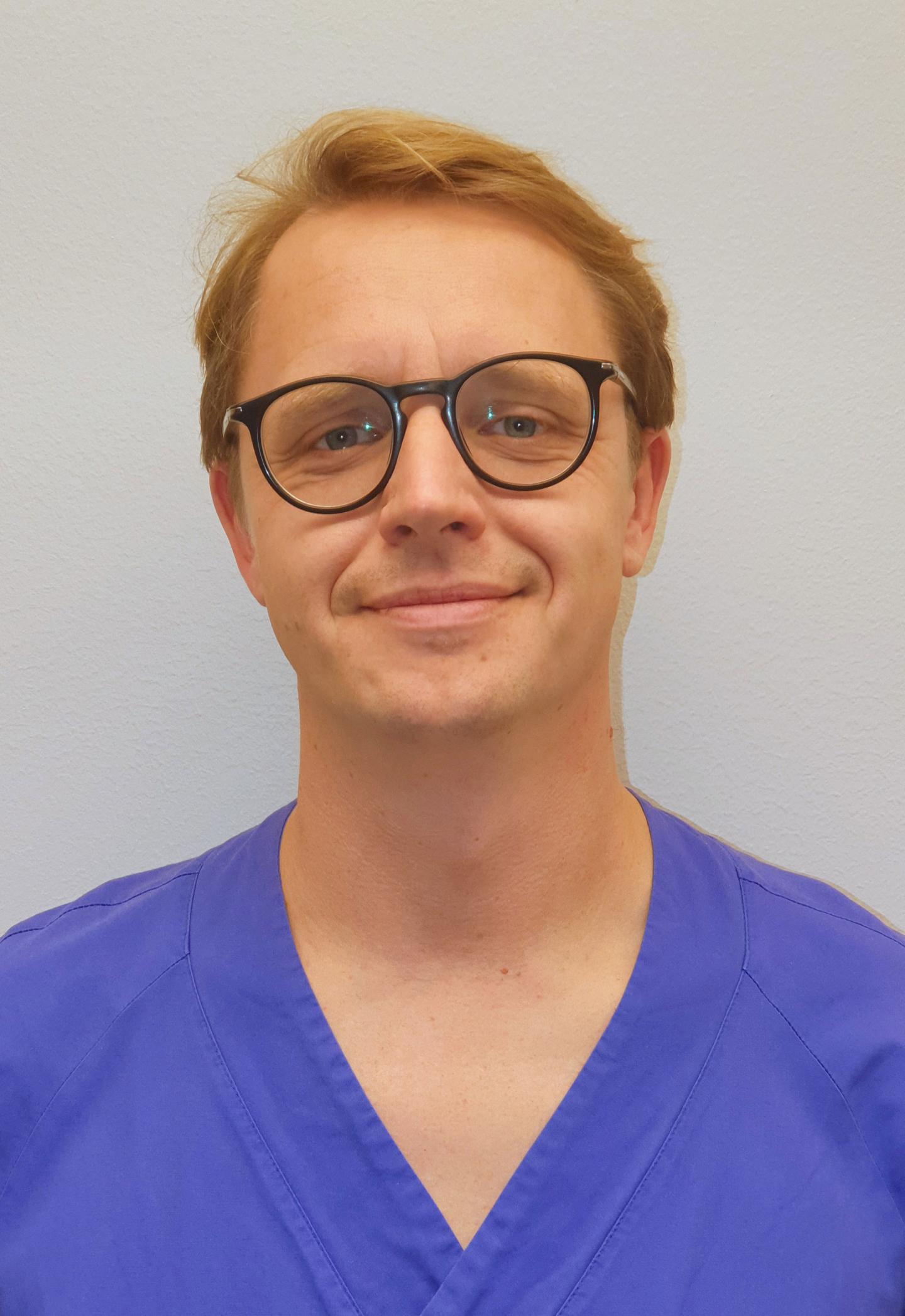
Credit: Photo by Jonathan Moonen

There is a risk of every fourth heart examined for possible donation being dismissed as unusable due to stress-induced heart failure. But this condition, according to new research, has no bearing on the outcome of a transplant. These results open the way for up to 30% more heart transplant.

“Systematic utilization of these hearts would mean a breakthrough for heart transplantation, as more patients could be accepted for transplantation,” says Jonatan Oras, senior lecturer at Sahlgrenska Academy, University of Gothenburg, and specialist physician in anesthesia and intensive care at the University Hospital.

The study, published in The Journal of Thoracic and Cardiovascular Surgery, is based on particulars of 641 potential heart donors in Sweden in the years 2006-2016. Either these people, who had been declared brain-dead, had said yes to donation during their lives or their survivors had given the go-ahead.

As many as 24% of potential donors had acute stress-induced cardiomyopathy, or broken heart syndrome, in which cardiac function is impaired in one part of the heart, while the other parts beats normally. This condition is caused by the massive surge in stress hormones observed in the course of brain death.

The functional impairment appears to be transient: Within a few hours or days, the heart recovers. Nevertheless, there are recommendations that these hearts should not be transplanted.

The selection process therefore varies from one location to another. To date, the transplantation center in Gothenburg has had favourable clinical experience of transplanting hearts with stress-induced heart failure, and there were 42 such cases in the current study.

The results show that when the donors’ hearts had been subject to stress-induced heart failure, the outcomes for recipients were no different. Neither was mortality affected; rather, it conformed to the expected 20% rate in both groups after ten years.

“The impairment in cardiac function seems to be temporary and is not caused by coronary artery disease or other heart disease. This fact fits well with stress-induced heart failure. When we repeatedly examine these hearts, we see that their function recovers quickly,” Oras says.

More studies are to follow the current one, to verify the results. Ending disqualification of donors with stress-induced heart failure is seen as especially urgent, since the condition arises more often in young people, whose hearts are otherwise well suited for donation.

“We estimate that the supply of donor hearts could be increased by 20-30% if these hearts are used,” Oras concludes.

###

Title: Left ventricular dysfunction in potential heart donors and its influence on recipient outcomes; https://www.jtcvs.org/article/S0022-5223(19)31369-8/fulltext

Media Contact
Jonatan Oras
[email protected]

Original Source

https://sahlgrenska.gu.se/english/research/news-events/news-article//new-findings-enable-more-heart-donations.cid1644897

Related Journal Article

http://dx.doi.org/10.1016/j.jtcvs.2019.06.070

Tags: CardiologyDeath/DyingMedicine/HealthTransplantation
Share12Tweet8Share2ShareShareShare2

Related Posts

Swedish Birth Cohort Turns Its Lens on Mothers to Trace Breast Cancer’s Environmental Roots

September 24, 2026

New Risk Model Predicts Kidney Disease Years Before It Strikes People With Prediabetes

September 24, 2026

Hand-Sewn Suture Technique Achieves Coupler-Level Vessel Results in Head and Neck Rebuilds

September 24, 2026

Stigma in the Clinic Strongly Predicts HIV Treatment Interruption in Kenya

September 24, 2026
Please login to join discussion

POPULAR NEWS

  • Malaria Parasite Membrane Enzymes Emerge as Promising New Drug Targets

    29 shares
    Share 12 Tweet 7
  • Staphylococcal Protein Reprograms Liver Tumor Macrophages to Boost Immunotherapy

    29 shares
    Share 12 Tweet 7
  • Hidden Microbes Inside Mung Bean Show Striking Stress Tolerance and Fungal-Fighting Power

    29 shares
    Share 12 Tweet 7
  • Noisy Gates Put Gate Teleportation to the Test

    29 shares
    Share 12 Tweet 7

About

We bring you the latest biotechnology news from best research centers and universities around the world. Check our website.

Follow us

Recent News

Malaria Parasite Membrane Enzymes Emerge as Promising New Drug Targets

Staphylococcal Protein Reprograms Liver Tumor Macrophages to Boost Immunotherapy

Hidden Microbes Inside Mung Bean Show Striking Stress Tolerance and Fungal-Fighting Power

Subscribe to Blog via Email

Success! An email was just sent to confirm your subscription. Please find the email now and click 'Confirm' to start subscribing.

Join 85 other subscribers
  • Contact Us

Bioengineer.org © Copyright 2023 All Rights Reserved.

Welcome Back!

Login to your account below

Forgotten Password?

Retrieve your password

Please enter your username or email address to reset your password.

Log In
No Result
View All Result
  • Homepages
    • Home Page 1
    • Home Page 2
  • News
  • National
  • Business
  • Health
  • Lifestyle
  • Science

Bioengineer.org © Copyright 2023 All Rights Reserved.