A new strategy for precision cancer therapy could make antibody-drug conjugates (ADCs) far more potent against heterogeneous tumors. Modern ADCs pair a tumor-seeking antibody with a cytotoxic payload, joined by a linker that guides the drug into cancer cells. In practice, however, each ADC is optimized to recognize one receptor type, leaving tumors with multiple cellular targets resistant to complete eradication.
Researchers at Washington University School of Medicine report that ADCs can be re-engineered to “stack” targeting functions inside the body, rather than requiring entirely new drugs for each combination of tumor markers. Their study, published in Nature, demonstrates that self-assembling ADC components can improve how efficiently therapeutic agents accumulate at tumors and enhance antitumor response in vivo.
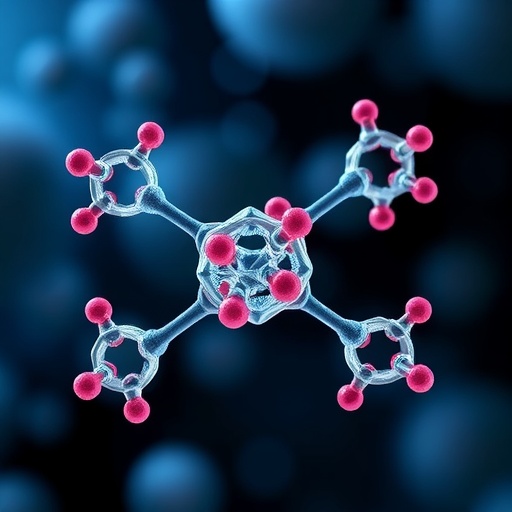
The approach uses click chemistry, a modular reaction concept that allows engineered molecular parts to join selectively. Instead of administering a single, fully assembled ADC that recognizes only one receptor, the team administers antibody halves equipped with complementary click partners. After the components circulate, the partners snap together at the tumor surface, assembling a multi-target therapeutic complex.
Two major receptor systems illustrate the design. One antibody targets EGFR, while another targets HER2; both receptors drive cancer growth through distinct signaling pathways. In mouse models of pancreatic, gastric, and breast cancer, sequential dosing enables the assembled ADC to bind more effectively when tumor cells express either receptor alone or both simultaneously.
The researchers also implemented a variant where two HER2 antibodies recognize different regions of the same receptor. This increases functional engagement by promoting cooperative binding and can intensify downstream delivery of the cytotoxic payload.
To quantify delivery, the team used radioactive tags to measure drug uptake in tumors. They found that the modified, self-assembling constructs delivered higher amounts to cancer cells than conventional ADCs, consistent with antibody clustering that boosts internalization.
Therapeutic impact was striking. In the pancreatic cancer model, survival reached about 90% at 120 days for animals treated with the self-assembling strategy, compared with less than 80 days on average for standard FDA-approved ADCs. The team also reduced off-target accumulation in the liver by tuning the system.
Beyond these models, the investigators argue the linker chemistry can be manufactured quickly and swapped modularly, enabling faster adaptation to new targets as resistance mechanisms emerge. They suggest the platform could eventually broaden options for cancers that are difficult to treat with conventional single-target ADC designs.
Subject of Research: Animals
Article Title: Modular in vivo antibody-ADC click to reverse drug resistance in tumors
News Publication Date: 15-Jul-2026
Web References: https://www.nature.com/articles/s41586-026-10789-w
References: Simó C, Vanover AC, Albanus RD, Panikar SS, Shmuel S, Benton A, Giraldo-Guzman J, Luna JM, Xu Y, Berry N-K, Keltee N, Liu J, Dehdashti F, Pereira PMR. Modular in vivo antibody-ADC click to reverse drug resistance in tumors. Nature. July 15. DOI: 10.1038/s41586-026-10789-w
Image Credits: Shayla Shmuel
Keywords: antibody-drug conjugates, click chemistry, EGFR, HER2, modular therapeutics, tumor targeting, drug resistance, self-assembly
Tags: ADC re-engineeringantibody half-assemblyantibody-drug conjugatesclick chemistry in drug designenhanced tumor targetingin vivo cancer therapyinnovative cancer treatment methodsmodular drug conjugatesmulti-target cancer treatmentprecision cancer therapyreceptor-specific cancer targetingtumor heterogeneity