• HOME
  • NEWS
  • EXPLORE
    • CAREER
      • Companies
      • Jobs
    • EVENTS
    • iGEM
      • News
      • Team
    • PHOTOS
    • VIDEO
    • WIKI
  • BLOG
  • COMMUNITY
    • FACEBOOK
    • INSTAGRAM
    • TWITTER
Tuesday, June 30, 2026
BIOENGINEER.ORG
No Result
View All Result
  • Login
  • HOME
  • NEWS
  • EXPLORE
    • CAREER
      • Companies
      • Jobs
        • Lecturer
        • PhD Studentship
        • Postdoc
        • Research Assistant
    • EVENTS
    • iGEM
      • News
      • Team
    • PHOTOS
    • VIDEO
    • WIKI
  • BLOG
  • COMMUNITY
    • FACEBOOK
    • INSTAGRAM
    • TWITTER
  • HOME
  • NEWS
  • EXPLORE
    • CAREER
      • Companies
      • Jobs
        • Lecturer
        • PhD Studentship
        • Postdoc
        • Research Assistant
    • EVENTS
    • iGEM
      • News
      • Team
    • PHOTOS
    • VIDEO
    • WIKI
  • BLOG
  • COMMUNITY
    • FACEBOOK
    • INSTAGRAM
    • TWITTER
No Result
View All Result
Bioengineer.org
No Result
View All Result
Home NEWS Science News Biology

New discoveries of deep brain simulation put it on par with therapeutics

Bioengineer by Bioengineer
March 25, 2021
in Biology
Reading Time: 2 mins read
0
IMAGE
Share on FacebookShare on TwitterShare on LinkedinShare on RedditShare on Telegram

Possibly speeding the process and allowing personalized treatment
IMAGE

Credit: University of Houston

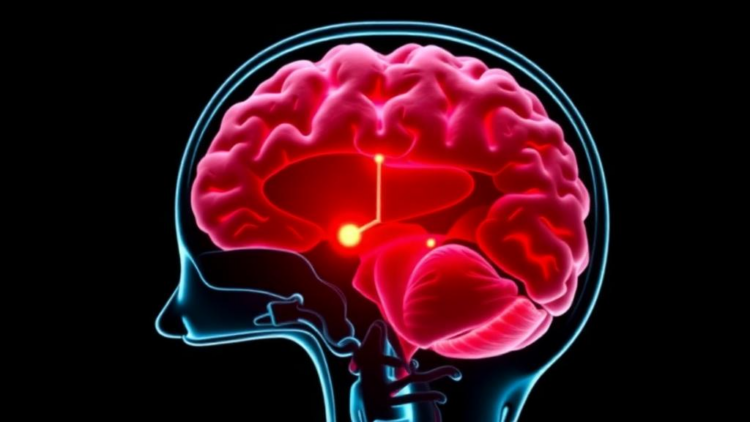
Despite having remarkable utility in treating movement disorders such as Parkinson’s disease, deep brain stimulation (DBS) has confounded researchers, with a general lack of understanding of why it works at some frequencies and does not at others. Now a University of Houston biomedical engineer is presenting evidence in Nature Communications Biology that electrical stimulation of the brain at higher frequencies (>100Hz) induces resonating waveforms which can successfully recalibrate dysfunctional circuits causing movement symptoms.

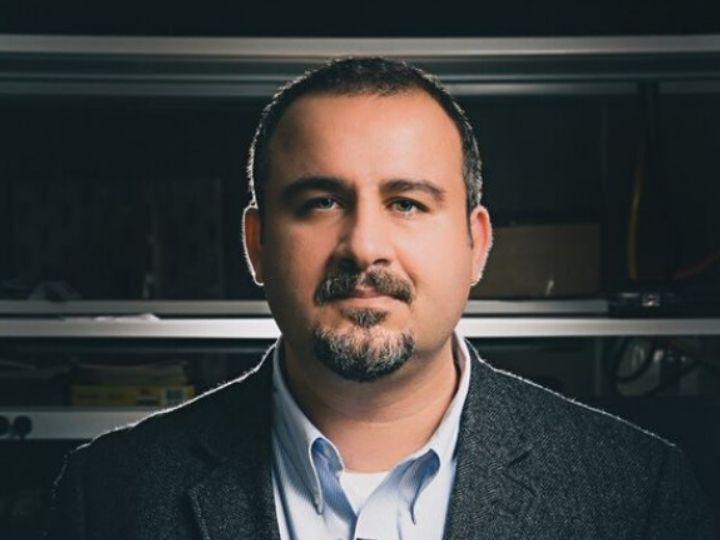
“We investigated the modulations in local ?eld potentials induced by electrical stimulation of the subthalamic nucleus (STN) at therapeutic and non-therapeutic frequencies in Parkinson’s disease patients undergoing DBS surgery. We ?nd that therapeutic high-frequency stimulation (130-180 Hz) induces high-frequency oscillations (~300 Hz, HFO) similar to those observed with pharmacological treatment,” reports Nuri Ince, associate professor of biomedical engineering.

For the past couple of decades, deep brain stimulation (DBS) has been the most important therapeutic advancement in the treatment of Parkinson’s disease, a progressive nervous system disorder that affects movement in 10 million people worldwide. In DBS, electrodes are surgically implanted in the deep brain and electrical pulses are delivered at certain rates to control tremors and other disabling motor signs associated with the disease.

Until now, the process to find the correct frequency has been time consuming, with it taking sometimes months to implant devices and test their abilities in patients, in a largely back and forth process. Ince’s method may speed the time to almost immediate for the programming of devices at correct frequencies.

“For the first time, we stimulated the brain and while doing that we recorded the response of the brain waves at the same time, and this has been a limitation over the past years. When you stimulate with electrical pulses, they generate large amplitude artifacts, masking the neural response. With our signal processing methods, we were able to get rid of the noise and clean it up,” said Ince. “If you know why certain frequencies are working, then you can adjust the stimulation frequencies on a subject-specific basis, making therapy more personalized.”

###

DBS is also being explored for the treatment of many other neurological and psychiatric indications, including Obsessive-Compulsive Disorder.

Additional authors of the article are Ince’s doctoral student Musa Ozturk; and Ashwin Viswanathan and Sameer Sheth, Baylor College of Medicine.

Media Contact
Laurie Fickman
[email protected]

Original Source

https://uh.edu/news-events/stories/2021/march-2021/03252021-nuri-ince-deep-brain-stimulation-parkinsons.php

Tags: BiologyBiomedical/Environmental/Chemical EngineeringMedicine/HealthneurobiologyNeurochemistryTechnology/Engineering/Computer Science
Share12Tweet8Share2ShareShareShare2

Related Posts

Natural Hallucinogens: Evolution’s Ecological Tools, Not Mere Chemical Byproducts

June 25, 2026

This Famous Butterfly Revealed: Three Distinct Species Hidden in One

June 25, 2026

Scientists Attack Soybean Cyst Nematode by Starving Its Food Source

June 25, 2026

Decoding the Secret Code of a Crucial Immune Sensor

June 24, 2026
Please login to join discussion

POPULAR NEWS

  • Saying Goodbye to PGY-6: Pediatric Fellowship Realities

    103 shares
    Share 41 Tweet 26
  • Multi-Hospital Study Reveals Long Covid Burden Is Twice as High as Current Estimates

    92 shares
    Share 36 Tweet 23
  • Detection of EDCs in Breast Milk and Infant Urine Up to Six Months Highlights Early Exposure Risks

    77 shares
    Share 31 Tweet 19
  • New Drug Candidate Developed at McMaster Shows Potential for Treating Brain Cancer

    58 shares
    Share 23 Tweet 15

About

We bring you the latest biotechnology news from best research centers and universities around the world. Check our website.

Follow us

Recent News

Tracking Lanthanide-Labeled Microplastics in Plants

POSTECH Researchers Slash Cost of Reconstituted Cell-Free Systems by 95%

AI and Physics Collaborate to Design Advanced Hydrogen Storage Materials

Subscribe to Blog via Email

Success! An email was just sent to confirm your subscription. Please find the email now and click 'Confirm' to start subscribing.

Join 82 other subscribers
  • Contact Us

Bioengineer.org © Copyright 2023 All Rights Reserved.

Welcome Back!

Login to your account below

Forgotten Password?

Retrieve your password

Please enter your username or email address to reset your password.

Log In
No Result
View All Result
  • Homepages
    • Home Page 1
    • Home Page 2
  • News
  • National
  • Business
  • Health
  • Lifestyle
  • Science

Bioengineer.org © Copyright 2023 All Rights Reserved.