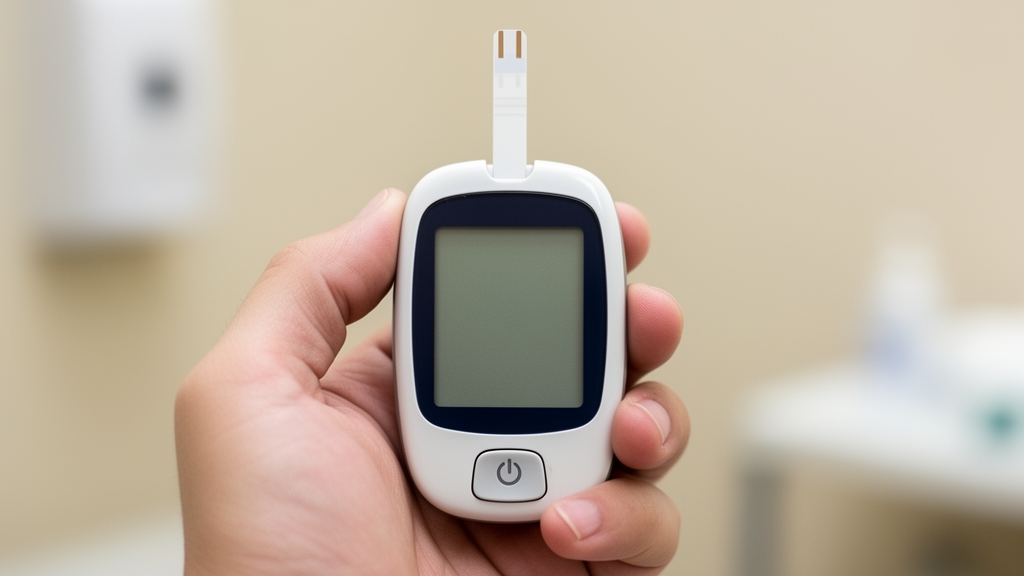
A comparative study conducted at Tribhuvan University Teaching Hospital in Nepal has evaluated the analytical performance of point-of-care glucometers against laboratory-based methods for routine blood glucose estimation. The research, published in BMC Endocrine Disorders, aimed to determine the feasibility of using a specific glucometer model for clinical monitoring by comparing its results with the glucose oxidase–peroxidase (GOD–POD) method and the reference hexokinase method. This hospital-based cross-sectional study involved 205 participants attending the tertiary care facility, providing a dataset to assess method agreement and potential biases in glucose measurement across different concentrations.
The study design required the collection of venous serum samples to measure glucose using both the hexokinase and GOD–POD laboratory methods. Simultaneously, capillary blood samples were obtained to measure glucose using the On Call Extra glucometer.
The primary results indicated that the mean glucose concentrations measured by the hexokinase, GOD–POD, and glucometer methods were 123.58 ± 53.12, 123.98 ± 51.99, and 117.18 ± 51.45 mg/dL, respectively. Statistical analysis revealed that the point-of-care glucometer consistently underestimated glucose concentrations when compared with both laboratory methods, a finding that was statistically significant with a p-value of less than 0.01.
Method agreement was evaluated using Bland–Altman analysis. The analysis demonstrated excellent agreement between the GOD–POD and hexokinase methods, with a mean bias of only 0.40 mg/dL and limits of agreement ranging from −20.1 to 20.9 mg/dL. In contrast, the glucometer exhibited a greater negative bias, indicating a more substantial deviation from the reference values.
Additional statistical evaluation using Passing–Bablok regression provided further insight into the nature of the bias observed. The regression analysis confirmed that there was no significant proportional bias between the GOD–POD and hexokinase methods, suggesting that these two laboratory techniques are analytically comparable. However, the analysis identified a small constant bias for the glucometer.
The study’s conclusions emphasize that while the point-of-care glucometer demonstrated acceptable overall clinical agreement with laboratory reference methods, it exhibited clinically significant range-dependent systematic bias. Specifically, the device was found to underestimate glucose at higher concentrations and overestimate glucose during hypoglycemia. This pattern of error is critical for clinical practice, as it means that unexpected or extreme capillary glucometer values require confirmatory laboratory testing to ensure accurate diagnosis and treatment.
Furthermore, the research highlighted the analytical comparability of the laboratory GOD–POD method to the reference hexokinase procedure. The GOD–POD method showed excellent agreement with the hexokinase method, offering a reliable and cost-effective alternative for routine testing in resource-limited settings.
Subject of Research: Comparative analysis of blood glucose estimation methods in a Nepalese tertiary care hospital
Article Title: Feasibility of hexokinase, glucose oxidase–peroxidase and point-of-care glucometer methods for routine blood glucose estimation: a comparative study from a tertiary care hospital in Nepal
Article References: Swornakar, B., & Niraula, A. (2026). Feasibility of hexokinase, glucose oxidase–peroxidase and point-of-care glucometer methods for routine blood glucose estimation: a comparative study from a tertiary care hospital in Nepal. BMC Endocrine Disorders. https://doi.org/10.1186/s12902-026-02708-x
Image Credits: AI Generated
DOI: 10.1186/s12902-026-02708-x
Keywords: blood glucose, glucometer, hexokinase, GOD-POD, Nepal, clinical laboratory, diabetes management, point-of-care testing, Feasibility, glucose, oxidase, peroxidase
News Source: Ophelia Keating. (November 10, 2026). Nepal Study Finds Glucometers Underestimate High Blood Glucose. Scienmag.