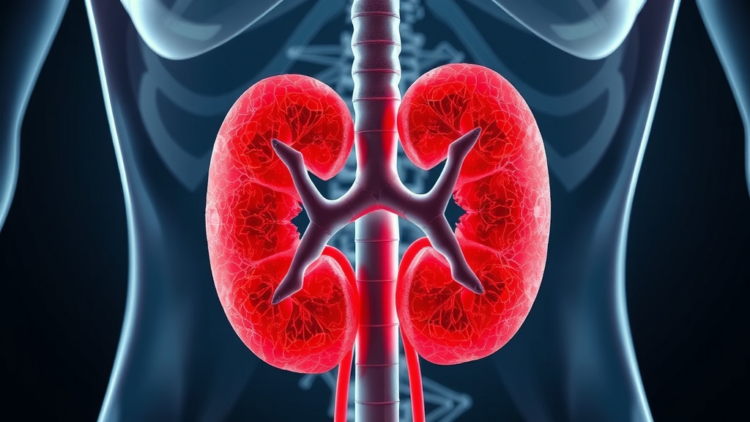
In the high-stakes environment of neonatal intensive care units (NICUs), the vulnerability of newborns to infections poses a major clinical challenge. Among the most pervasive and clinically significant infections is the urinary tract infection (UTI), which, despite often being overshadowed by sepsis or respiratory issues, demands intensive scrutiny. A groundbreaking study by Magers, Burton, Prusakov, and colleagues, published in the Journal of Perinatology in April 2026, brings new insights into the pathology, diagnostic advancements, and management protocols surrounding UTIs in this fragile population.
Urinary tract infections in neonates can trigger a cascade of deleterious effects, often complicating the already tenuous clinical picture. Neonates have an immature immune system that is less capable of fighting off pathogens, making even mild infections a potential cause of severe morbidity. The study emphasizes that prompt and accurate diagnosis followed by appropriate treatment is critical to prevent complications such as renal scarring and systemic dissemination, which can lead to long-term kidney dysfunction and potentially life-threatening outcomes.
One of the pivotal technological advances highlighted in the research is the use of novel biomarker assays and high-resolution imaging modalities. Traditional urinalysis remains a cornerstone for initial suspicion; however, the study pushes the boundaries by validating molecular diagnostic techniques that can detect the causative bacterial strains within hours. This rapid identification is vital in tailoring targeted antibiotic therapies, dramatically reducing the risks of resistance and overuse of broad-spectrum antimicrobials.
The researchers provide an intricate analysis of pathogen profiles, revealing that the majority of UTIs in NICUs are caused by gram-negative bacteria, predominantly Escherichia coli strains that show varying resistance patterns to commonly used antibiotics. These findings underscore the necessity for NICU-specific antibiograms to guide empirical treatment, given the dynamic and evolving resistance landscape that complicates standard therapeutic approaches.
Another fascinating aspect discussed is the role of catheterization and other invasive procedures as significant risk factors for UTI development. The prolonged use of indwelling devices creates a nidus for biofilm formation, which shields bacteria from both antibiotics and the host immune response. The study advocates for strict aseptic techniques and the minimization of catheter use wherever possible to reduce this risk.
Immune profiling of the affected neonates revealed deficiencies not only in humoral responses but also in the innate immune mechanisms, such as impaired neutrophil function and reduced cytokine secretion. This immunological vulnerability creates an environment where infections can quickly escalate, necessitating that clinicians maintain a high index of suspicion and employ preventive strategies rigorously.
Perhaps most compelling is the investigation into antibiotic stewardship within the NICU context. Magers and colleagues propose a nuanced approach balancing the urgency of empiric therapy against the dangers of resistance, advocating for periodic reassessment of antibiotic regimens as diagnostic information becomes available. They report improved outcomes with protocols that include early de-escalation based on molecular diagnostics, which allows neonatal microbiomes to recover and prevents secondary complications.
The article also explores the potential of immunomodulatory therapies as an adjunct treatment for UTIs in neonates. Preliminary data suggest that agents designed to boost innate immunity or modulate inflammatory responses can aid in infection resolution and tissue recovery, representing an exciting frontier beyond conventional antimicrobial strategies. Further clinical trials are anticipated to validate these early findings.
Environmental and staffing factors within NICUs are not neglected in this comprehensive review. The investigation links higher rates of UTIs with overcrowding, staffing shortages, and inconsistent adherence to infection control protocols. Such systemic issues highlight that beyond biology and technology, operational factors profoundly impact infection rates, urging hospitals to reassess and reinforce their quality assurance programs.
In terms of long-term impact, the study draws attention to the neurodevelopmental consequences of neonatal UTIs, a facet that is frequently underappreciated. Inflammatory mediators and systemic infection episodes have been correlated with cognitive and motor delays, emphasizing that neonatal infection control has repercussions that extend far beyond immediate survival.
The article also outlines innovative research methodologies that have enabled these insights, including longitudinal cohort studies, randomized controlled trials of diagnostic workflows, and integrated data analysis combining microbiology, immunology, and clinical outcomes. This interdisciplinary approach sets a new standard for investigating neonatal infections comprehensively.
Importantly, the researchers call for the integration of artificial intelligence (AI) in predicting UTI risks based on electronic health record data and real-time biomarker monitoring. Early pilot programs suggest that AI algorithms can stratify patients with alarming precision, allowing for preemptive interventions that could revolutionize neonatal care.
The social and economic burdens attributable to neonatal UTIs documented in the study are staggering. Longer hospital stays, increased use of costly antibiotics, and the need for ongoing follow-up care amount to substantial healthcare resource utilization. The authors argue that investing in preventive technologies and education programs would ultimately be more cost-effective and beneficial for families and healthcare systems alike.
In summary, this seminal work by Magers, Burton, Prusakov, and colleagues not only sheds light on the technical and clinical nuances of urinary tract infections in neonatal intensive care units but also paves the way for innovative diagnostic, therapeutic, and preventative strategies. As neonatal survival rates improve globally, addressing such infections with precision and urgency will remain a frontline battle in neonatal medicine, promising to improve both immediate outcomes and lifelong quality of life for the most vulnerable patients.
Subject of Research: Urinary tract infections in neonatal intensive care units
Article Title: Urinary tract infection in the neonatal intensive care unit
Article References:
Magers, J., Burton, A., Prusakov, P. et al. Urinary tract infection in the neonatal intensive care unit. J Perinatol (2026). https://doi.org/10.1038/s41372-026-02690-1
Image Credits: AI Generated
DOI: 29 April 2026
Tags: biomarkers for neonatal infectionsclinical protocols for NICU infectionshigh-resolution imaging in NICUlong-term outcomes of neonatal UTIsmanagement of neonatal UTIsmolecular diagnostics for UTIneonatal immune system vulnerabilityneonatal infection prevention strategiesneonatal intensive care unit infectionsneonatal UTI diagnosis advancementsrenal complications in neonatesurinary tract infections in newborns