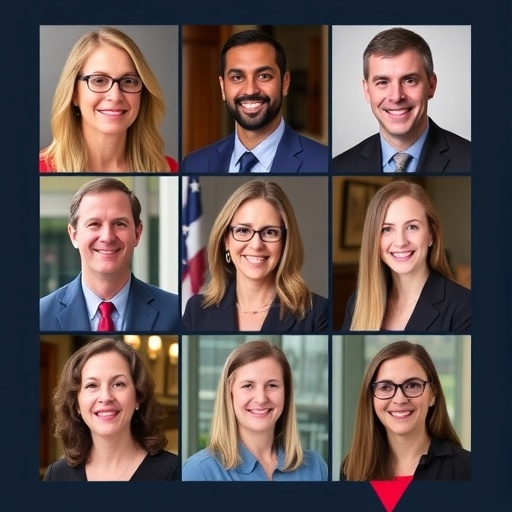
In a groundbreaking stride toward integrating clinical expertise with health policy, the National Comprehensive Cancer Network® (NCCN®) unveiled its inaugural cohort of Advocacy Academy Fellows in early 2026. This visionary program marks a pivotal move to embed oncology professionals directly into the policy-making arena, ensuring that legislative decisions affecting cancer care reflect the nuanced realities of clinical practice. The NCCN Advocacy Academy is meticulously designed to equip oncology fellows and junior faculty from leading cancer centers with the essential advocacy skills and policy fluency needed to champion transformative cancer care initiatives nationwide.
The initiative arrives at a critical juncture where the complexity of cancer treatment demands not only scientific innovation but also sophisticated policy frameworks that can support equitable access and systemic improvements. By selecting 12 distinguished physicians from premier NCCN member institutions, the program aims to cultivate a new cadre of clinician-advocates who possess the dual expertise of bedside medical care and high-impact policy engagement. These Fellows are poised to engage deeply with health policy processes, gaining invaluable experience through curated training, expert mentorship, and direct interaction with federal and state legislative bodies.
Central to the Academy’s mission is the real-world application of policy work tailored to each Fellow’s clinical interests and institutional expertise. Through targeted advocacy projects, the Fellows will address pressing and diverse issues that span from enhancing access to decentralized clinical trials for small molecule therapies to developing oncology-specific standards within Medicaid managed care frameworks. This hands-on approach not only accelerates policy innovation but also ensures that reforms are grounded in empirical evidence drawn from frontline oncology practice.
The selection of the inaugural Fellows and their respective projects underscores a broad spectrum of challenges currently confronting cancer patients and providers across the United States. For instance, Dr. Neha Agrawal from The University of Texas MD Anderson Cancer Center is spearheading efforts to mitigate the Inflation Reduction Act’s pill penalty while advocating for expanded decentralized trial access—a strategy targeting logistical barriers inhibiting timely therapeutic development and patient participation. In parallel, Dr. Alaa Ali of Moffitt Cancer Center tackles the imperative need for a cohesive national strategy to safeguard the cellular and gene therapy research pipeline through enhanced collaboration among government agencies, academia, and industry partners.
Pediatric oncology is another critical focus area, highlighted by Dr. Alexis Chen Boulter at Children’s Hospital of Philadelphia, who is advancing proposals for a pediatric complexity payment adjustment aimed at expanding home infusion capabilities for complex pediatric cases. This initiative is a notable example of how financial policy adjustments can directly influence quality of care and patient convenience for vulnerable populations. Complementary to these efforts, Dr. Mateus Trinconi Cunha at The Ohio State University is forging policy frameworks at the state level to guarantee timely coverage for biomarker testing and essential rehabilitation services in head and neck cancer care, marrying clinical innovation with insurance reform.
Oncology-specific policy development extends into care coordination and educational outreach, with Dr. Dayna Jill Isaacs at UC Davis Comprehensive Cancer Center focusing on creating national workshops that promote adherence to evidence-based guidelines. Such educational interventions are pivotal in standardizing care quality across disparate clinical settings. Furthermore, Dr. Adrian Diaz from The UChicago Medicine Comprehensive Cancer Center is concentrating on Medicaid managed care, seeking to establish scalable, oncology-specific network adequacy standards that ensure patients’ timely access to high-quality providers.
The Advocacy Academy Fellows are also addressing critical pain management challenges. Dr. Alyssa Scher from Fox Chase Cancer Center advocates for expanded insurance coverage of buprenorphine as a treatment for cancer-related pain, potentially transforming the management paradigm for millions suffering from chronic pain conditions. Meanwhile, Dr. Ahed Makhoul at Cleveland Clinic is pioneering a concurrent hospice-oncology care model specifically tailored to multiple myeloma, bridging gaps between palliative and active cancer care to enhance patient quality of life.
Broadening the scope to environmental and social determinants of cancer, Dr. Emily L. Podany at Siteman Cancer Center is spearheading educational campaigns about the cancer risks related to exposure from Coldwater Creek and facilitating access to compensation under the recently expanded Radiation Exposure Compensation Act. Her work embodies the integration of environmental health risks into oncology policy discussions, underscoring the multidimensional nature of cancer prevention and survivorship. Similarly, Dr. Christopher Su at Fred Hutchinson Cancer Center champions reforms targeting medical debt—a critical barrier to sustained cancer care—addressing both federal and state policy landscapes.
Geographic and demographic disparities in cancer care also command attention, evidenced by Dr. McKenzie J. White from Moffitt Cancer Center, who spotlights the unique challenges faced by rural and American Indian/Alaska Native patients regarding timely cancer diagnosis and screening. Her work illuminates systemic inequities and advocates for targeted policy interventions to reduce cancer morbidity and mortality in underserved communities.
The NCCN Advocacy Academy, through its pioneering educational model, is cultivating a pipeline of trusted physician-leaders who merge clinical insight with persuasive policy advocacy. This fusion enhances the translational impact of oncology science, translating evidence-based medicine into actionable, equitable health policies. Program directors emphasize that such clinician-driven advocacy is critical for shaping the future oncology landscape, ensuring that policy evolves alongside rapid scientific advancements.
This initiative dovetails with NCCN’s broader commitment to evidence-based cancer care as codified in the NCCN Clinical Practice Guidelines in Oncology and patient-focused resources. By embedding policy literacy within clinical training, the Academy not only empowers Fellows to influence legislative priorities but also fosters a culture of ongoing engagement between clinicians and policymakers.
As the inaugural Fellows begin their tenure, NCCN has announced plans to open applications for the second class in early 2027, signaling ongoing investment in this strategic nexus of oncology care and policy. For stakeholders in cancer research, clinical care, and health policy, the Advocacy Academy represents a forward-thinking approach to fostering interdisciplinary leadership capable of addressing the multifaceted challenges of cancer management and prevention.
In sum, the NCCN Advocacy Academy is charting a transformative course—empowering the next generation of oncology experts to become effective advocates, policy innovators, and champions for systemic reforms that will resonate across the United States’ complex cancer care ecosystem. This bold integration of medicine and policy promises to accelerate progress toward a future where cancer care is not only scientifically advanced but also equitable, accessible, and patient-centered.
Subject of Research: Cancer Policy and Oncology Advocacy
Article Title: NCCN Launches Advocacy Academy to Elevate Oncology Voices in Health Policy
News Publication Date: April 7, 2026
Web References:
https://www.nccn.org/business-policy/policy-and-advocacy-program/nccn-advocacy-academy
https://www.nccn.org/business-policy/policy-and-advocacy-program/nccn-policy-and-advocacy-program
https://www.nccn.org/
Image Credits: NCCN
Keywords: Cancer policy, oncology advocacy, health care policy, cancer treatment, Medicaid managed care, biomarker testing, pediatric oncology, pain management, cancer disparities, medical debt reform, gene therapy policy, clinical trials access
Tags: advocacy skills for oncology fellowscancer care legislative impactcancer policy advocacy trainingcancer treatment access policyfederal and state cancer policy interactionhealth policy education for oncologistsintegrating clinical expertise with health policymentorship in health policy for cliniciansNCCN Advocacy Academy 2026oncology clinician-advocates developmentphysician engagement in cancer legislationsystemic improvements in cancer care