• HOME
  • NEWS
  • EXPLORE
    • CAREER
      • Companies
      • Jobs
    • EVENTS
    • iGEM
      • News
      • Team
    • PHOTOS
    • VIDEO
    • WIKI
  • BLOG
  • COMMUNITY
    • FACEBOOK
    • INSTAGRAM
    • TWITTER
Tuesday, October 6, 2026
BIOENGINEER.ORG
No Result
View All Result
  • Login
  • HOME
  • NEWS
  • EXPLORE
    • CAREER
      • Companies
      • Jobs
        • Lecturer
        • PhD Studentship
        • Postdoc
        • Research Assistant
    • EVENTS
    • iGEM
      • News
      • Team
    • PHOTOS
    • VIDEO
    • WIKI
  • BLOG
  • COMMUNITY
    • FACEBOOK
    • INSTAGRAM
    • TWITTER
No Result
View All Result
Bioengineer.org
No Result
View All Result
Home NEWS Science News

NASA gets a night-time view ex-Tropical Cyclone Dineo

Bioengineer by Bioengineer
February 16, 2017
in Science News
Reading Time: 2 mins read
0
Share on FacebookShare on TwitterShare on LinkedinShare on RedditShare on Telegram
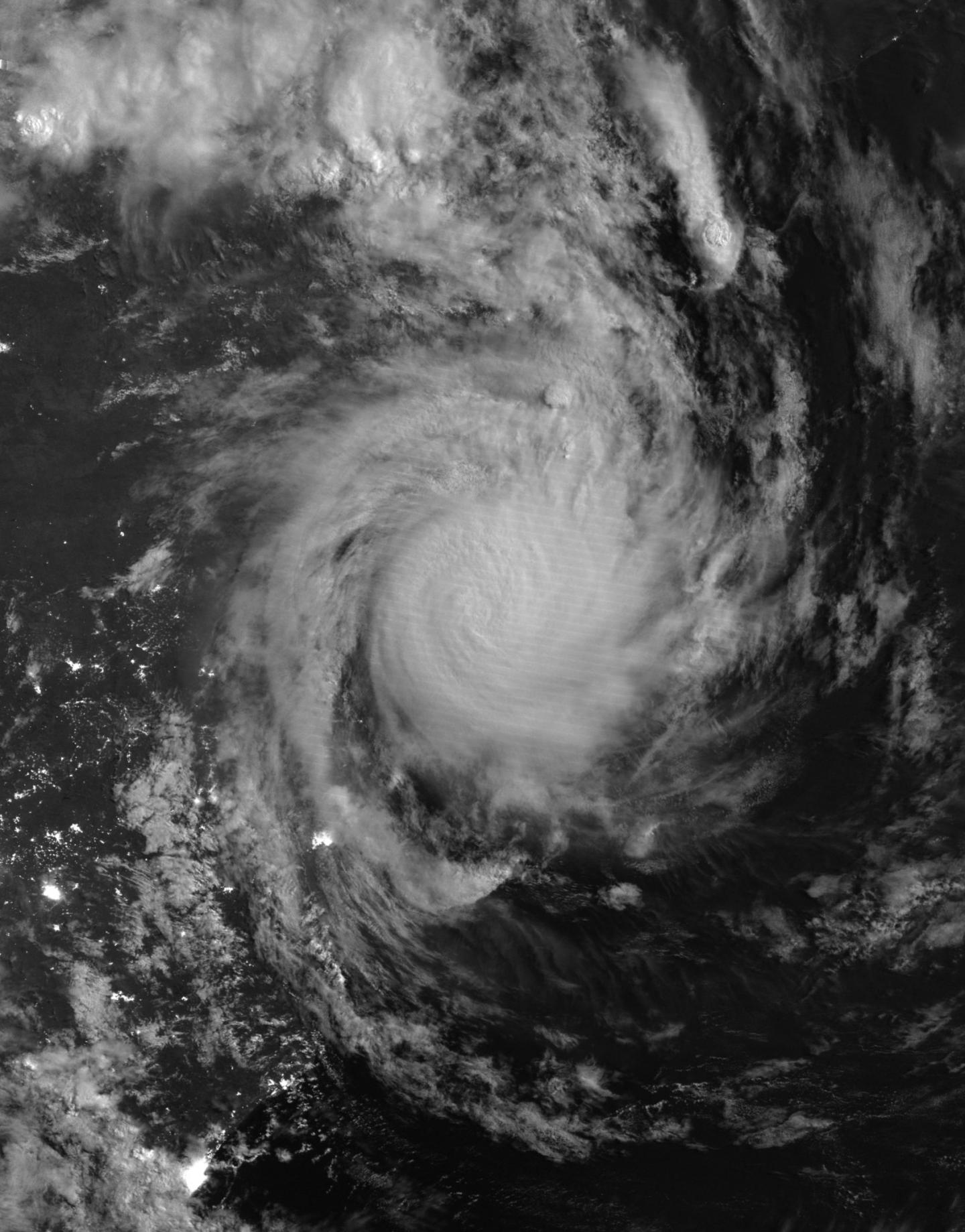
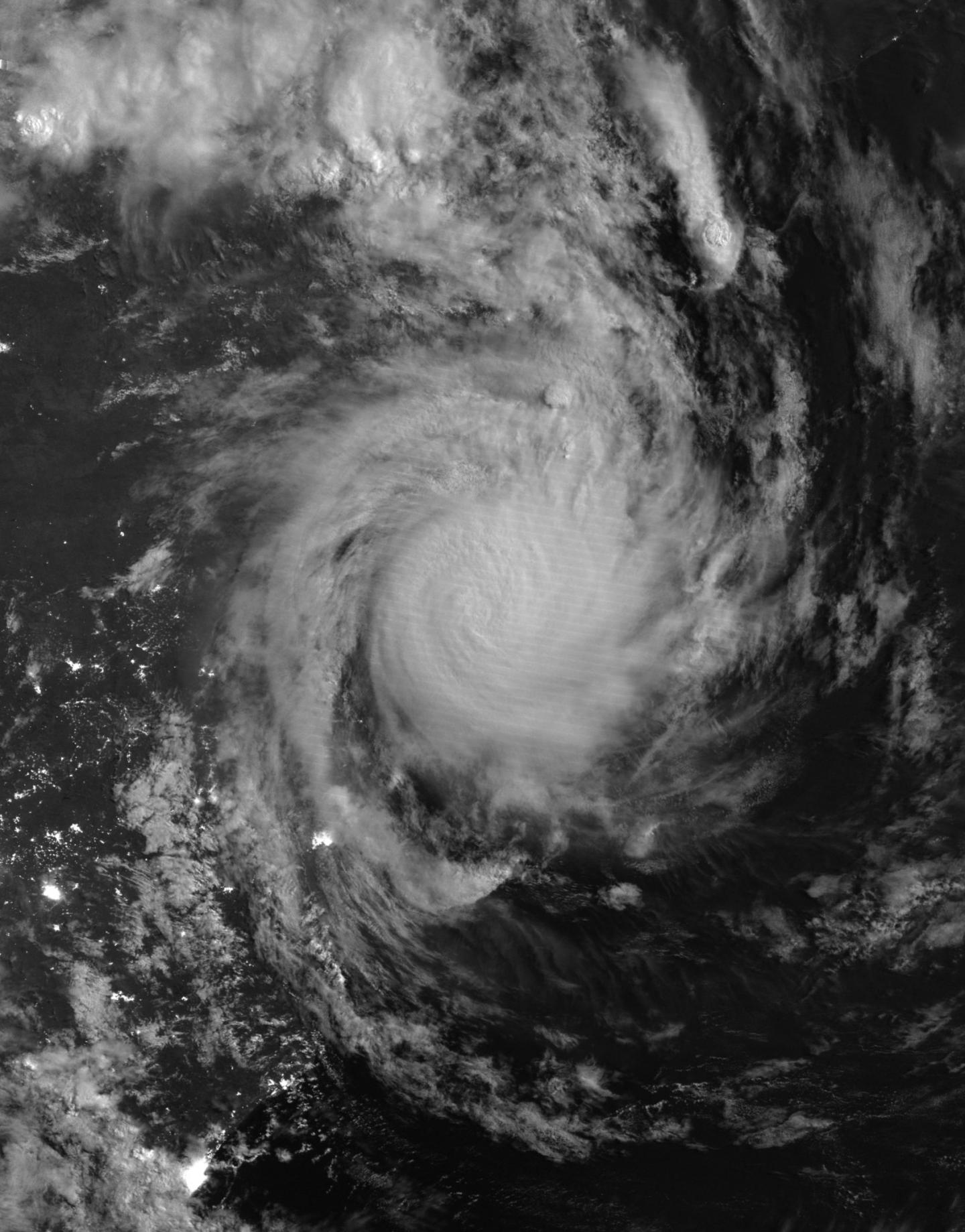
IMAGE

Credit: Credits: NASA Goddard MODIS Rapid Response

NASA-NOAA's Suomi NPP satellite got a night-time view of former Tropical Cyclone Dineo over the southeastern coast of Mozambique. Warnings have already been posted in the northeastern region of South Africa as Dineo continues to track inland.

The Joint Typhoon Warning Center or JTWC issued their final warning on the system on February 15. Later in the day at 2246 UTC (5:46 p.m. EST) the Visible Infrared Imaging Radiometer Suite (VIIRS) instrument aboard NASA-NOAA's Suomi NPP satellite provided a night-time, infrared image of the ex-tropical cyclone. The image showed that the storm had become somewhat elongated as it continued to weaken. The interaction with the land of Mozambique is expected to continue weakening the storm as it tracks further inland on Feb. 16.

On Feb. 16 at 0000 UTC (Feb. 15 at 7 p.m. EST) Ex-Tropical Cyclone Dineo was located near 23.4 degrees south latitude and 34.1 degrees east longitude, just inland from the coast of southeastern Mozambique. Dineo was moving to the west at 9 knots (10.3 mph/16.6 kph) and maximum sustained surface winds were estimated at 60 knots (69 mph/111 kph).

On Feb. 16, the South African Weather Service posted warnings for the northeastern part of the country where the effects of Ex-tropical Cyclone Dineo were already being experienced

A warning for severe thunderstorms was in effect over the south-western parts of the Waterberg District of Limpopo with possible heavy rain leading to localized flooding as well as large amounts of small hail. There was also warnings for damaging winds and flooding in Vhembe and Mopani District Municipalities of Limpopo from late afternoon on Thursday, persisting into tomorrow Friday morning, February 17.

A Heavy Rain warning is also in effect. Heavy rains may create localized flooding in Vhembe and Mopani District Municipalities of Limpopo, from Thursday late afternoon, persisting into Friday morning, Feb. 17. For updated warnings from the South African Weather Service, visit: http://www.weathersa.co.za..

###

Media Contact

Rob Gutro
[email protected]
@NASAGoddard

http://www.nasa.gov/goddard

############

Story Source: Materials provided by Scienmag

Share12Tweet8Share2ShareShareShare2

Related Posts

Insulin-Sensing FOXO Protein Guards the Genome After DNA Damage

Insulin-Sensing FOXO Protein Guards the Genome After DNA Damage

October 6, 2026
Clinical Risk Scores Cannot Stand In for Neurofilament Biomarkers in ALS Trials, Study Finds

Clinical Risk Scores Cannot Stand In for Neurofilament Biomarkers in ALS Trials, Study Finds

October 6, 2026

Common Oleander Shrub Yields Potent Antimicrobial Extracts in Green Chemistry Study

October 6, 2026

Nationwide Tick Map Reveals How Snow Depth Shapes Disease Risk Across Japan

October 6, 2026
Please login to join discussion

POPULAR NEWS

  • Alloys That Shrink Their Own Grains: New PIX Mechanism Refines Metals With Heat Alone

    Alloys That Shrink Their Own Grains: New PIX Mechanism Refines Metals With Heat Alone

    29 shares
    Share 12 Tweet 7
  • Endurance Exercise Reshapes the Liver in Males and Females Through Distinct Molecular Routes

    29 shares
    Share 12 Tweet 7
  • Single Transcription Factor PU.1 Rapidly Converts Fibroblasts into Macrophage-Lineage Cells

    29 shares
    Share 12 Tweet 7
  • New Scale Measures How Ready Nurse Educators Really Are for the AI Era

    29 shares
    Share 12 Tweet 7

About

We bring you the latest biotechnology news from best research centers and universities around the world. Check our website.

Follow us

Recent News

Alloys That Shrink Their Own Grains: New PIX Mechanism Refines Metals With Heat Alone

Endurance Exercise Reshapes the Liver in Males and Females Through Distinct Molecular Routes

Single Transcription Factor PU.1 Rapidly Converts Fibroblasts into Macrophage-Lineage Cells

Subscribe to Blog via Email

Success! An email was just sent to confirm your subscription. Please find the email now and click 'Confirm' to start subscribing.

Join 85 other subscribers
  • Contact Us

Bioengineer.org © Copyright 2023 All Rights Reserved.

Welcome Back!

Login to your account below

Forgotten Password?

Retrieve your password

Please enter your username or email address to reset your password.

Log In
No Result
View All Result
  • Homepages
    • Home Page 1
    • Home Page 2
  • News
  • National
  • Business
  • Health
  • Lifestyle
  • Science

Bioengineer.org © Copyright 2023 All Rights Reserved.