A groundbreaking advancement in the treatment of Duchenne muscular dystrophy (DMD) has emerged from a recent study revealing the successful delivery of full-length dystrophin mRNA using muscle-targeted extracellular vesicles (EVs). This innovative approach addresses one of the most critical challenges in gene therapy for DMD—the efficient and specific transport of therapeutic nucleic acids to affected muscle tissues, overcoming previous obstacles related to delivery, stability, and immune response.
DMD is a devastating genetic disorder characterized by the absence of functional dystrophin protein, resulting from mutations in the DMD gene. This protein is essential for maintaining the structural integrity of muscle fibers; without it, progressive muscle degeneration leads to severe disability and premature mortality. Traditional gene therapy strategies have struggled due to the enormous size of the dystrophin gene, which exceeds the packaging capacity of commonly used viral vectors. Moreover, systemic delivery methods have been hampered by limited tissue targeting and potential off-target effects.
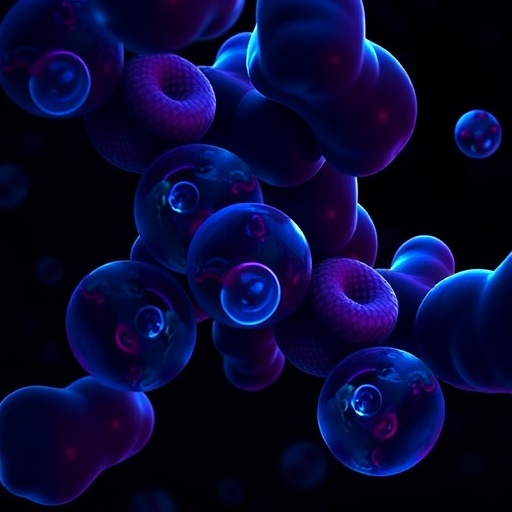
The new study introduces extracellular vesicles—naturally secreted lipid bilayer particles—as versatile and biocompatible vehicles capable of carrying large mRNA payloads. These vesicles are engineered to encapsulate full-length dystrophin mRNA, preserving the nucleotide sequence necessary for proper protein translation. Critically, the vesicles are surface-modified to target muscle cells specifically, enhancing uptake by skeletal muscle fibers and the consequent production of functional dystrophin protein.
This muscle-targeting capability stems from the conjugation of specific ligands on the EV membrane, which interact with receptors predominantly expressed on muscle tissue. This design improves biodistribution and minimizes sequestration by non-target organs, significantly reducing side effects. As a result, the extracellular vesicle-based delivery system offers a precision therapy that aligns with the increasingly personalized nature of contemporary medicine.
Experiments conducted in dystrophic mouse models demonstrated robust expression of dystrophin following systemic administration of these engineered EVs. Muscle function and histopathology analyses showed marked improvement compared to controls, with reduced inflammation and muscle necrosis. Importantly, the absence of significant immune responses or toxicity highlights the safety and therapeutic promise of this approach, addressing critical regulatory concerns for clinical translation.
Another compelling advantage of this technology is the non-viral nature of the delivery system, which sidesteps the immunogenicity issues associated with viral vectors. Unlike gene editing or viral gene replacement, mRNA therapy is transient and does not integrate into the host genome, mitigating risks of insertional mutagenesis and uncontrolled gene expression. This makes repeated dosing feasible, potentially offering a sustainable management strategy for chronic diseases such as DMD.
The formulated extracellular vesicles exhibited exceptional stability in circulation, protecting the fragile mRNA cargo from enzymatic degradation. Furthermore, the study’s detailed characterization of EV pharmacokinetics underscored efficient accumulation in dystrophic muscles, a key to ongoing therapeutic efficacy. These findings suggest that this strategy might extend beyond DMD, applying to other disorders requiring tissue-specific delivery of large nucleic acid therapeutics.
At the molecular level, the restoration of dystrophin protein reinstates the dystrophin-associated glycoprotein complex, which fortifies muscle cell membranes during mechanical stress. The reestablishment of this structural network underscores the fundamental therapeutic mechanism elucidated in this research. Consequently, muscle cells regain resilience against contraction-induced damage, slowing the inexorable progression of muscular degeneration.
This investigation also leveraged state-of-the-art bioengineering techniques, including microfluidic-based vesicle synthesis and high-throughput screening to optimize both loading efficiency and targeting specificity. By combining precision nanomedicine with molecular biology, the research team advanced a platform technology with scalability potential, aligning with industrial production requirements for future clinical deployment.
Beyond the scientific rigor, the implications of this work resonate deeply within the clinical and patient communities. The prospect of treating DMD patients with a non-invasive, targeted mRNA therapeutic could revolutionize disease management. It offers hope not only for improved quality of life but also potential life extension, altering the grim prognosis historically associated with this disorder.
The study’s comprehensive analysis, from in vitro biocompatibility assays to in vivo efficacy trials across multiple animal models, provides a robust preclinical foundation. This multidisciplinary achievement exemplifies the convergence of molecular medicine, nanotechnology, and muscle biology, setting a new benchmark in the design of advanced genetic therapies.
Of particular note is the adaptability of the extracellular vesicle platform to carry other therapeutic mRNAs or small RNAs, suggesting broad applicability. The modular engineering of vesicles could cater to diverse muscular dystrophies or metabolic muscle diseases, extending the clinical impact well beyond Duchenne muscular dystrophy alone.
Looking ahead, challenges remain in scaling production, regulatory approval, and long-term efficacy monitoring in human subjects. However, with a growing understanding of extracellular vesicle biology and improved bioengineering tools, these hurdles appear surmountable. The ongoing synergy between academic institutions and biotech companies is poised to accelerate the transition from experimental therapy to standard of care.
This pioneering research marks a significant stride in regenerative medicine and neuromuscular disease therapeutics. By leveraging the natural design of extracellular vesicles and the power of mRNA technology, scientists have opened a new frontier in treating genetic muscle disorders that were once deemed intractable.
In summary, this remarkable development combines the elegance of biological vesicle transport with cutting-edge molecular engineering to achieve targeted dystrophin restoration. It heralds a paradigm shift, shifting the therapeutic landscape toward highly specific, safe, and effective mRNA delivery for Duchenne muscular dystrophy and potentially other genetic diseases.
Subject of Research: Duchenne muscular dystrophy therapy via muscle-targeted extracellular vesicle delivery of full-length dystrophin mRNA.
Article Title: Muscle-targeted extracellular vesicles for full-length dystrophin mRNA therapy in Duchenne muscular dystrophy.
Article References:
Tang, Y. Muscle-targeted extracellular vesicles for full-length dystrophin mRNA therapy in Duchenne muscular dystrophy. Nat. Biomed. Eng (2026). https://doi.org/10.1038/s41551-026-01658-y
Image Credits: AI Generated
Tags: biocompatible vesicle drug deliveryDuchenne muscular dystrophy gene therapydystrophin protein replacement therapyfull-length dystrophin mRNA deliveryimmune response reduction in gene therapyinnovative DMD treatment methodslarge mRNA payload encapsulationmuscle fiber structural integrity restorationmuscle-targeted extracellular vesiclesovercoming gene therapy delivery challengestargeted muscle cell uptake strategiestherapeutic nucleic acid transport