Mouse embryos contain an intracellular pool of zona pellucida protein 2, or ZP2, that persists through preimplantation development and appears to help embryos complete the transition from the morula stage to the blastocyst stage, according to a proteomic and transcriptomic study. The amount of intracellular ZP2 showed an apparent increase from the 8-cell to the morula stage rather than the monotonic decline expected if it were merely a passive maternal remnant. The findings challenge the long-standing view of ZP2 as a protein that operates exclusively outside the egg, although the experiments were conducted in mice and do not establish whether the same role occurs in human embryos.
For decades, the zona pellucida was understood primarily as an extracellular structure surrounding mammalian oocytes, with established roles in enclosing the oocyte within the follicle, binding sperm during fertilization and physically protecting the early embryo. Researchers had repeatedly detected abundant zona pellucida proteins inside mouse embryos through mass spectrometry, prompting the study’s authors to investigate whether ZP2, the most abundant of these proteins, might also perform non-canonical functions from within the embryo. They combined protein measurements with monoclonal immunofluorescence to characterize the intracellular pool across preimplantation mouse development.
Their colocalization analysis showed that part of this ZP2 signal overlapped with neither GM130, a marker of the cis-Golgi, nor calreticulin, a marker of the endoplasmic reticulum. The researchers next used Trim-Away-mediated depletion to test whether the cytosol-accessible pool of ZP2 had a functional role in development. Depletion stalled at approximately 50%, which the authors attributed to the exceptionally high abundance of ZP2.
This partial knockdown was nevertheless sufficient to delay the morula-to-blastocyst transition. Blastocysts produced after ZP2 depletion had reduced trophectoderm and primitive endoderm, and the embryos showed impaired postimplantation development in both in vitro and in vivo experiments. The phenotype was specific to ZP2: directing Trim-Away toward an irrelevant target did not produce the same developmental effects.
These results provide experimental evidence that the intracellular protein, rather than only the surrounding zona pellucida, contributes to developmental progression in the mouse model. Proteome-wide and transcriptome-wide analyses offered molecular correlates of the developmental phenotype observed after ZP2 depletion. In the proteome, gene ontology terms associated with cytoplasmic translation were overrepresented, and an O-propargyl-puromycin incorporation assay confirmed a corresponding change in translational activity.
In the transcriptome, overrepresented gene ontology terms were related to endoderm development and gastrulation. The researchers interpreted the combined molecular patterns as coherent with the retardation of the morula-to-blastocyst transition. The study is observational and experimental in mouse embryos, and its multi-omic associations do not establish that every altered pathway directly causes the developmental defect or that the same pathway relationships operate during human embryogenesis.
Together, the protein-localization, depletion and multi-omic results support assigning ZP2 a hitherto unsuspected intracellular role during mouse embryogenesis. The findings indicate that ZP2 cannot be regarded solely as an extracellular-operating, oocyte-specific gene product. Because the experiments involved mice, the results should not be presented as direct evidence of a clinical effect in humans.
Subject of Research: Intracellular ZP2 function during mouse preimplantation embryonic development
Article Title: Proteomic and transcriptomic analysis reveals an intracellular role for zona pellucida protein 2 in mouse morula-blastocyst transition
Article References: Nolte, T., Israel, S., Drexler, H. C. A., Fuellen, G., Wiese, J., & Boiani, M. (2026). Proteomic and transcriptomic analysis reveals an intracellular role for zona pellucida protein 2 in mouse morula-blastocyst transition. BMC Genomics. https://doi.org/10.1186/s12864-026-13487-z
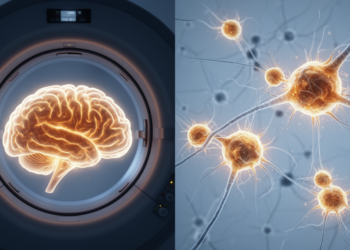
Image Credits: AI Generated
DOI: 10.1186/s12864-026-13487-z
Keywords: ZP2, mouse embryos, preimplantation development, morula, blastocyst, intracellular proteins, mass spectrometry, immunofluorescence, proteomics, transcriptomics, Proteomic, transcriptomic
News Source: Drew Townsend. (October 22, 2026). Mouse study finds intracellular ZP2 supports early embryo development. Scienmag.