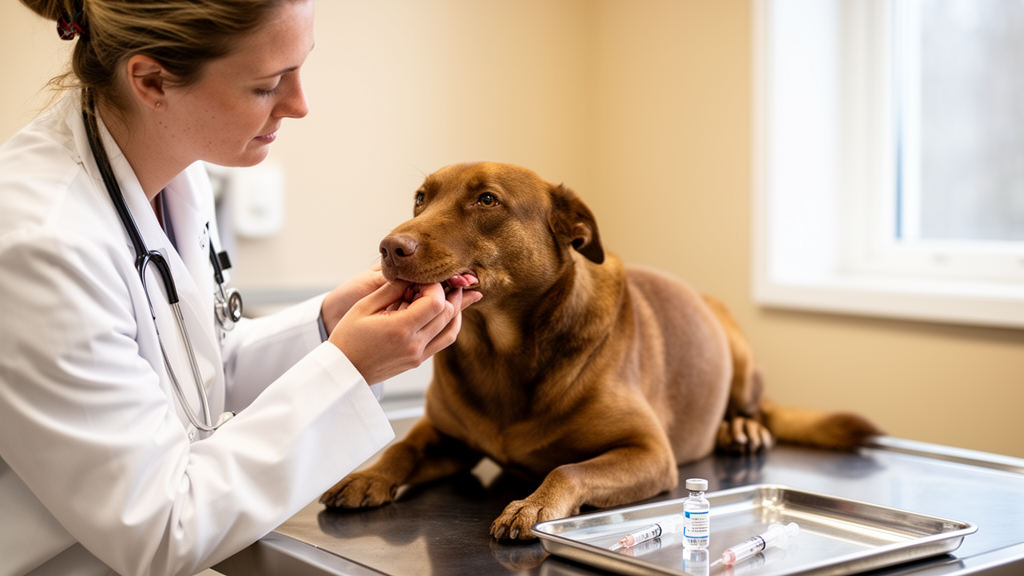
Most dogs diagnosed with diabetes mellitus in Norway are started on insulin therapy, but roughly one in four treated dogs is euthanised within the first year, according to a questionnaire-based survey of Norwegian veterinarians published in Acta Veterinaria Scandinavica.
The survey was open between 1 December 2023 and 1 December 2024 and was advertised through a web-based veterinary forum and the Norwegian Veterinary Association newsletter. Of 131 veterinarians who responded, six had never diagnosed diabetes in a dog and were excluded, leaving 125 respondents. The response rate, calculated against the estimated 1,250 small animal and mixed practice veterinarians on the association’s mailing list, was 10.5 percent. Most respondents worked in urban or suburban environments, practised solely with small animals, and diagnosed between one and three diabetic dogs per year.
Weighting each veterinarian’s answer by the number of diabetic dogs they reported seeing annually, the researchers estimated that 71.9 percent of diagnosed dogs (95 percent confidence interval 63.2 to 80.6) were started on treatment. Nearly half of respondents, 48.8 percent, reported initiating treatment in at least 90 percent of diagnosed dogs, while 8.8 percent said they began treatment in fewer than 10 percent of cases. Insulin was reported as the starting treatment in essentially all treated dogs, with a median of nine out of ten treated dogs also placed on a new diet; none of the respondents reported using oral hypoglycaemic medications.
The estimated cumulative risk of euthanasia among dogs started on insulin therapy was 11.5 percent within one month (95 percent confidence interval 8.2 to 14.7) and 26.9 percent within one year (95 percent confidence interval 22.0 to 31.9). Most of these euthanasias were carried out at the owners’ request, with a median of 90 percent attributed to owner wishes and 30 percent to veterinary recommendation. The authors note that because dogs taken to a different veterinarian and started on insulin cannot be captured by such a survey, the estimates carry some uncertainty.
Geography appeared to matter. Respondents working in large cities or suburbs were more likely to report high frequencies of treatment initiation, whereas rural and small-city practitioners more often reported medium initiation percentages. The pattern reversed for euthanasia: rural respondents were more likely to report high euthanasia percentages, small-city and suburban respondents medium percentages, and large-city practitioners low percentages. The authors suggest this may reflect differences in clients’ purpose in keeping a dog, expectations, attitudes, and economic factors, and note that similar urban-rural differences emerged in the earlier international Big Pet Diabetes Survey.
When asked what worried them most about treating a diabetic dog, veterinarians cited difficulties in achieving rapid and adequate glycaemic control and concerns about owners’ understanding of what treatment involves. The concerns they attributed to owners were different: cost, the prospect of injecting their dog, and the dog’s quality of life. Veterinarians also perceived that whether an owner or someone in the owner’s social network had diabetes, and whether the owner had previously had a diabetic pet, influenced the decision to treat, although the authors caution that these are veterinarians’ impressions rather than measured owner characteristics.
Neutering featured prominently in the findings. Respondents reported a median of ten out of ten intact female diabetic dogs being neutered near the time of diagnosis, reflecting the anti-insulin effects of progesterone; neutering can improve diabetic control and may induce remission, particularly when performed close to diagnosis. Among the minority of veterinarians who did not neuter all such dogs, the most common reasons were cost, owner unwillingness, lack of owner understanding of the importance of the procedure, and owner concerns about its impact on the dog’s quality of life. The authors note that routine neutering is prohibited by law in Norway unless a medical reason exists, which may shape owner attitudes.
Monitoring practices revealed a striking gap. Nearly 61 percent of respondents had never used a continuous glucose monitor, most often because the equipment was new and unfamiliar or because they were not comfortable with the technique; other reasons included owners not wanting a sensor placed on their dog, cost, and difficulty obtaining sensors. Among the 49 veterinarians who had used such monitors, 87.5 percent reported somewhat positive to positive experiences, but half reported that owners had changed the insulin dose themselves without consulting a veterinarian after seeing the data. The authors warn that uneducated insulin dose adjustments can be life-threatening and that owners should be educated about this risk before a sensor is placed. Early sensor detachment and malfunction were also common, with sensors falling off before 14 days the most frequently cited reason for premature replacement.
The survey also probed the darker side of monitoring. Nearly one third of respondents, 31 percent, said that in their practice an owner had at some point had a dog euthanised due to problems with monitoring. For these dogs, at-home blood glucose curves, clinic blood glucose curves, and serum fructosamine measurements were the most common monitoring methods, suggesting that the burden of traditional monitoring may contribute to euthanasia decisions. The authors acknowledge that some respondents may have interpreted the question broadly, including problems with diabetic control, which could inflate the estimate. They emphasise that the goals of treatment remain normalisation of clinical signs and good quality of life, which can often be achieved without intensive monitoring.
Asked what triggers owners to choose euthanasia, veterinarians most often pointed to the dog’s quality of life, monitoring problems, and required changes to the owner’s lifestyle. For the veterinarians’ own recommendations, comorbidities were the leading factor. The authors conclude that the findings highlight important aspects of treating and monitoring diabetic dogs and of the triggers for euthanasia, while cautioning that the low response rate, self-selection of respondents, reliance on recall, and the small number of cases many respondents see annually limit the generalisability of the estimates. They suggest that further investigations into the aspects identified could help improve the overall care of diabetic dogs.
Subject of Research: Veterinary treatment, monitoring, and euthanasia practices for canine diabetes mellitus in Norway
Article Title: Treatment, monitoring, and euthanasia in canine diabetes mellitus – a questionnaire-based survey among veterinarians in Norway
Article References: Nerhagen, S., Eriksen, E. Ø., Amundstad, J., & Anfinsen, K. P. (2026). Treatment, monitoring, and euthanasia in canine diabetes mellitus – a questionnaire-based survey among veterinarians in Norway. Acta Veterinaria Scandinavica, 68(1), Article 35. https://doi.org/10.1186/s13028-026-00878-1
Image Credits: AI Generated
DOI: 10.1186/s13028-026-00878-1
Keywords: canine diabetes mellitus, veterinary survey, Norway, insulin therapy, euthanasia, continuous glucose monitoring, neutering, treatment initiation, owner concerns, quality of life, blood glucose curves, veterinary practice
News Source: Ophelia Keating. (October 29, 2026). Most Norwegian vets start diabetic dogs on insulin, but euthanasia risk remains high. Scienmag.