• HOME
  • NEWS
  • EXPLORE
    • CAREER
      • Companies
      • Jobs
    • EVENTS
    • iGEM
      • News
      • Team
    • PHOTOS
    • VIDEO
    • WIKI
  • BLOG
  • COMMUNITY
    • FACEBOOK
    • INSTAGRAM
    • TWITTER
Thursday, May 14, 2026
BIOENGINEER.ORG
No Result
View All Result
  • Login
  • HOME
  • NEWS
  • EXPLORE
    • CAREER
      • Companies
      • Jobs
        • Lecturer
        • PhD Studentship
        • Postdoc
        • Research Assistant
    • EVENTS
    • iGEM
      • News
      • Team
    • PHOTOS
    • VIDEO
    • WIKI
  • BLOG
  • COMMUNITY
    • FACEBOOK
    • INSTAGRAM
    • TWITTER
  • HOME
  • NEWS
  • EXPLORE
    • CAREER
      • Companies
      • Jobs
        • Lecturer
        • PhD Studentship
        • Postdoc
        • Research Assistant
    • EVENTS
    • iGEM
      • News
      • Team
    • PHOTOS
    • VIDEO
    • WIKI
  • BLOG
  • COMMUNITY
    • FACEBOOK
    • INSTAGRAM
    • TWITTER
No Result
View All Result
Bioengineer.org
No Result
View All Result
Home NEWS Science News Biology

More than 90% of protected areas are disconnected

Bioengineer by Bioengineer
September 11, 2020
in Biology
Reading Time: 2 mins read
0
IMAGE
Share on FacebookShare on TwitterShare on LinkedinShare on RedditShare on Telegram

IMAGE

Credit: James Wheeler

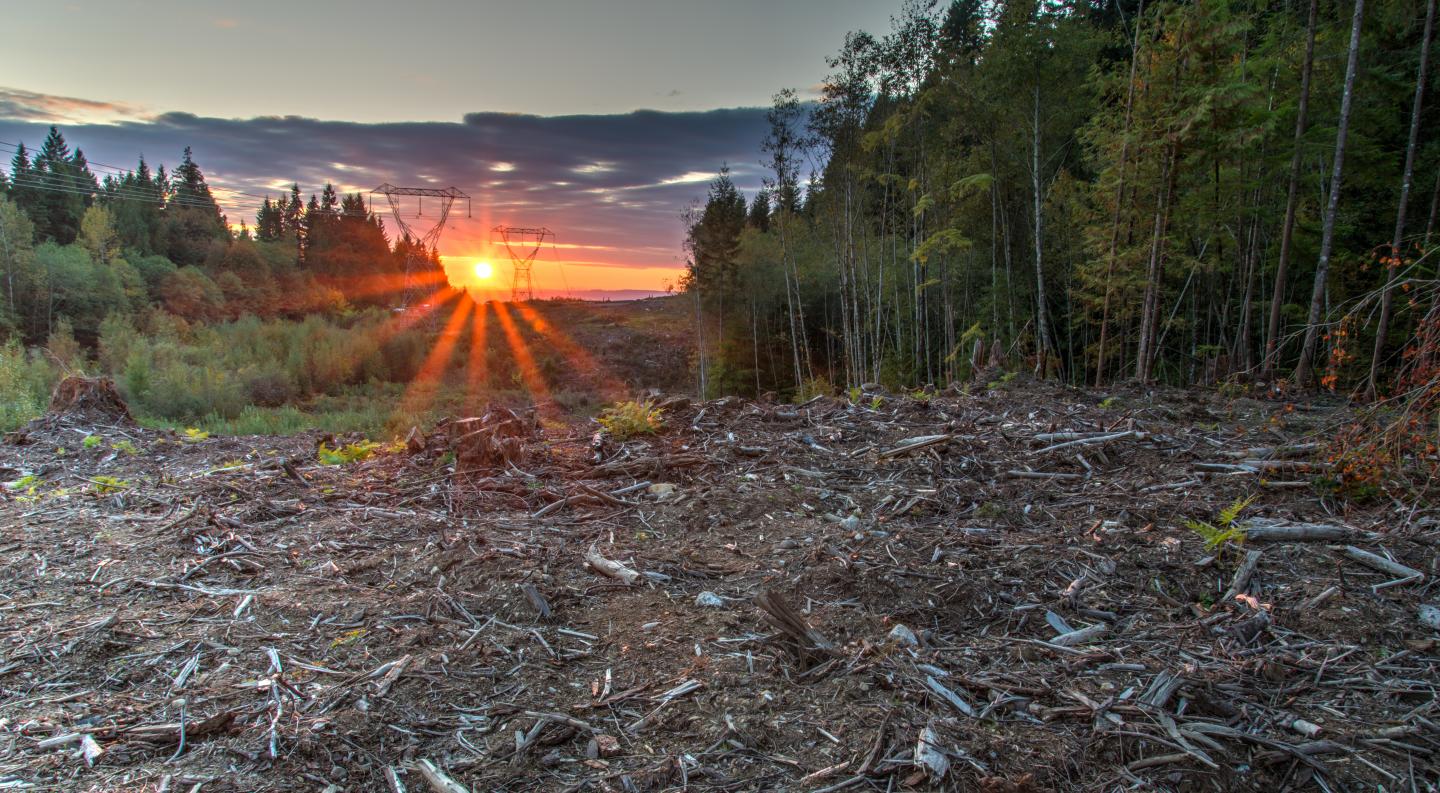
Ongoing land clearing for agriculture, mining and urbanisation is isolating and disconnecting Earth’s protected natural areas from each other, a new study shows.

Lead author Michelle Ward, from The University of Queensland’s School of Earth and Environmental Sciences, said the findings were “alarming”.

“Protected areas are vital for the protection and survival of plants, animals and ecosystems,” Ms Ward said.

“When intact, healthy habitat connects these protected areas, species can migrate, escape danger such as fires, and track their preferred microclimates under rapid climate change.

“Our research shows 40 per cent of the terrestrial planet is intact, but only 9.7 per cent of Earth’s terrestrial protected network can be considered structurally connected.

“This means more than 90 per cent of protected areas are isolated, in a sea of human activities.”

The study shows that, on average, 11 per cent of each country and territory’s protected area estate can be considered connected.

Under international agreements, the global protected area network must be well connected and cover 17 per cent of land.

The study revealed, however, that only nine countries and territories – 4.6 per cent of them – have greater than 17 per cent of their land protected, and maintain greater than 50 per cent connectivity.

“On a positive note, our study provides a common framework – previously absent – for countries and territories to assess the connectivity performance of their existing and future protected areas, with access to information and metrics,” Ms Ward said.

Professor James Watson of UQ and the Wildlife Conservation Society said the research highlighted the importance of better locating future protected areas and the need for more emphasis on wide-scale habitat protection and restoration.

“Protected areas increasingly are becoming the only tool conservationists talk about, but most nature lives beyond the protected area boundary,” Professor Watson said.

“We need national and global conservation goals that address whole-of-landscape conservation and targets that halt the destruction of habitat between protected areas.

“Most of nature has no chance if it’s to survive in just 20 per cent of the world.

“We hope this study provides essential information for conservation and development planning, helping guide future national and global conservation agendas.”

###

The research has been published in Nature Communications (DOI: 10.1038/s41467-020-18457-x).

Media Contact
Michelle Ward
[email protected]

Related Journal Article

http://dx.doi.org/10.1038/s41467-020-18457-x

Tags: BiodiversityClimate ChangeEarth ScienceEcology/Environment
Share12Tweet8Share2ShareShareShare2

Related Posts

“‘Last Titan’: Discovery of Southeast Asia’s Largest Dinosaur Unveiled” — Biology

“‘Last Titan’: Discovery of Southeast Asia’s Largest Dinosaur Unveiled”

May 14, 2026
Study Offers In-Depth Analysis of Changes in Toxin-Producing Phytoplankton Populations — Biology

Study Offers In-Depth Analysis of Changes in Toxin-Producing Phytoplankton Populations

May 14, 2026

UMass Chan Scientists Pioneer Gene Editing Technology That Rewrites Entire Genome Chapters

May 13, 2026

Scientists Observe Rice Plants Capturing and Eliminating Fall Armyworm Caterpillars

May 13, 2026
Please login to join discussion

POPULAR NEWS

  • Research Indicates Potential Connection Between Prenatal Medication Exposure and Elevated Autism Risk

    842 shares
    Share 337 Tweet 211
  • New Study Reveals Plants Can Detect the Sound of Rain

    729 shares
    Share 291 Tweet 182
  • Salmonella Haem Blocks Macrophages, Boosts Infection

    62 shares
    Share 25 Tweet 16
  • Breastmilk Balances E. coli and Beneficial Bacteria in Infant Gut Microbiomes

    57 shares
    Share 23 Tweet 14

About

We bring you the latest biotechnology news from best research centers and universities around the world. Check our website.

Follow us

Recent News

Tweaking Ligands Boosts Perovskite Solar Cells

ALS Progresses Through a Domino-Like Chain Reaction Initiated in Nerve Cells

Liquid Metal Nano-Gyroid Enables Ultra-Resilient Electronics

Subscribe to Blog via Email

Enter your email address to subscribe to this blog and receive notifications of new posts by email.

Join 82 other subscribers
  • Contact Us

Bioengineer.org © Copyright 2023 All Rights Reserved.

Welcome Back!

Login to your account below

Forgotten Password?

Retrieve your password

Please enter your username or email address to reset your password.

Log In
No Result
View All Result
  • Homepages
    • Home Page 1
    • Home Page 2
  • News
  • National
  • Business
  • Health
  • Lifestyle
  • Science

Bioengineer.org © Copyright 2023 All Rights Reserved.